Iran proposes Hormuz plan, Trump reportedly refuses
Iran offered a plan to reopen the strategic Strait of Hormuz, Tehran said on Friday, but within hours, reports indicated that US President Donald Trump rejected the proposal. The waterway, key to the world’s oil supply, is central to the conflict between the United States and Iran, which is at a stalemate after nearly seven months . But new mediation efforts at the UN’s gathering of world leaders…
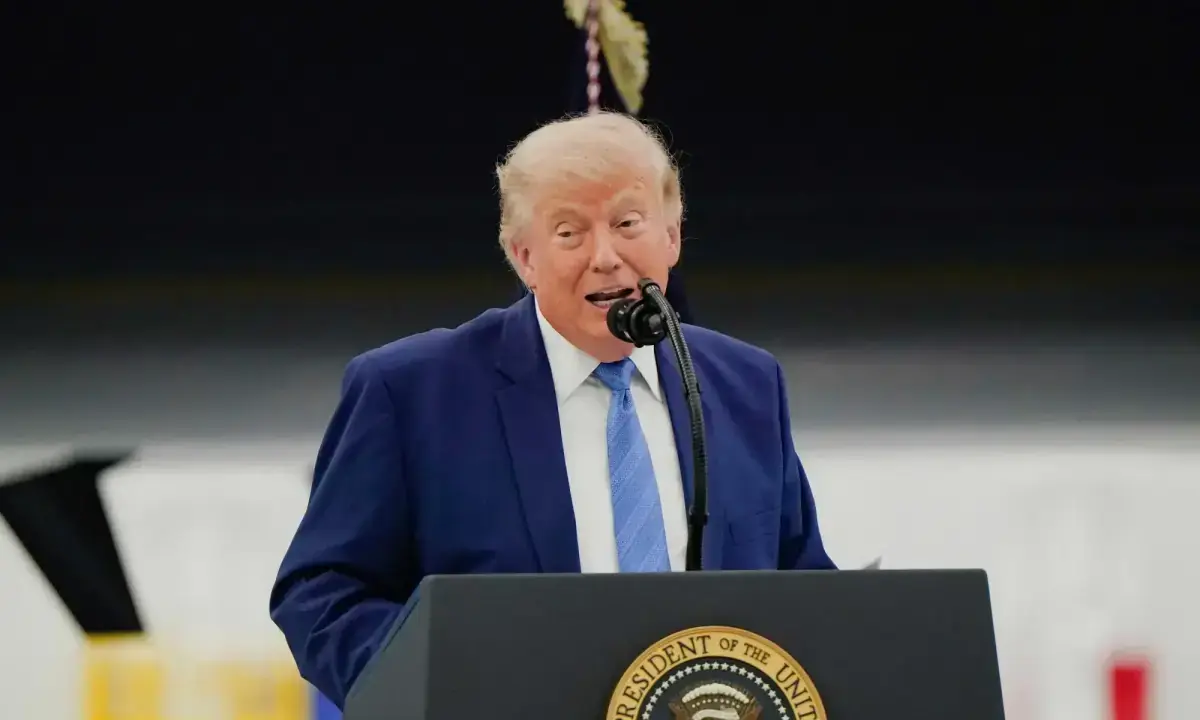
On Friday, Iran proposed a plan to reopen the strategic Strait of Hormuz, but within hours, US President Donald Trump reportedly rejected the offer. The waterway is critical for the global oil supply and has been a point of contention between the United States and Iran, which have been at a stalemate for nearly seven months. Recently, efforts at the UN, where Iran's Foreign Minister Abbas Araghchi met with US envoy Steve Witkoff, provided some hope for progress toward a deal.
Araghchi announced a seven-day plan to reopen the strait and restore normal maritime passage if certain conditions are met. Iran insists it will not accept coercion, threats, or intimidation and will not surrender its sovereign rights under pressure. However, according to a report by The Wall Street Journal, Trump has rejected the proposal, citing US officials who believe Iran is unlikely to meet his demands and expects a renewed bombing campaign.
Trump also posted an image on his Truth Social platform of a map with the Strait of Hormuz circled and labeled "Trump Strait." The proposed plan reportedly includes a cessation of all hostilities in the Middle East for seven days, the release of frozen Iranian assets worth at least $12 billion, the lifting of sanctions on Iranian oil, and an end to the US naval blockade of Iran.
Iranian President Masoud Pezeshkian stated that the ceasefire process would commence immediately upon acceptance by the United States. Tehran had previously reached an agreement based on a memorandum of understanding signed in Pakistan, and if the US agrees, everything would return to normal. Revolutionary Guards spokesman Hossein Mohebi added that ending hostilities in Yemen is also among Iran's demands.
The US and Iran signed a memorandum of understanding in June aimed at ending the war, reopening the strait, and initiating talks on Iran's nuclear program. However, the deal collapsed shortly after when Iran fired on commercial ships in Hormuz, accusing them of deviating from their approved route. Iran requires ships to obtain authorization before passage, citing security and sovereignty reasons, while the United States periodically bombs Iranian coastal areas in retaliation.
Written by urgent.news from Dawn's reporting — not their text. Machine-written — may contain errors; check the original before relying on it.
This story
This is one outlet's version. Read the fullest account.
- Trump’s Iran sanctions have a China problem freemalaysiatoday.com
- Trump rejects Iran's 7-day ceasefire offer, expects to resume bombing post midterms timesofindia.indiatimes.com
- US-Iran war LIVE: Trump rejects Iran's ceasefire proposal, expects renewed bombing after US midterms — Report livemint.com
- Trump warns Xi against Iran support as Beijing pledges no assistance nst.com.my
- Iran proposes Hormuz plan, Trump reportedly refuses al-monitor.com
- GOP senators not happy with Trump's embrace of Xi after China helped Iran thehill.com