Trump’s Iran sanctions have a China problem
There is no way to achieve the 'total isolation' of the Iranian regime without Chinese banks doing much of the hard work of sanctions enforcement.
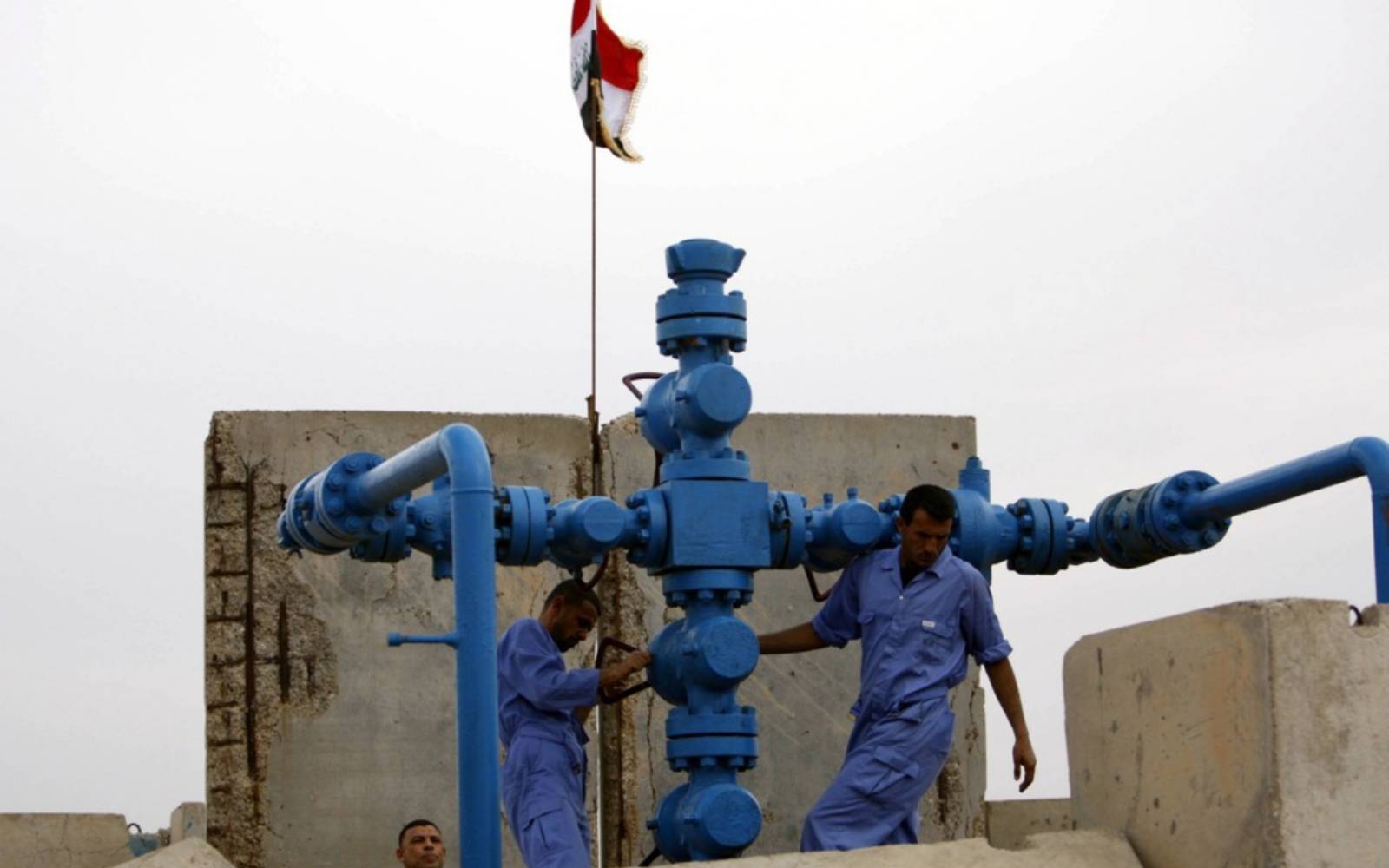
In late August, US Treasury Secretary Scott Bessent declared an "economic D-Day" against Iran, promising "the single greatest financial offensive ever marshaled against an adversary." However, the success of this campaign depends heavily on China, which is both a US ally and a strategic rival. For the zero-leakage policy to work, foreign financial institutions must monitor and police their own customers. Without Chinese banks' cooperation, the US cannot fully isolate the Iranian regime.
China has already purchased about 90% of Iran's oil exports, and much of this trade now moves through Iran's shadow-banking system, which processes "tens of billions of dollars" each year. US secondary sanctions have previously changed the behavior of major Chinese banks, even when China rejected them officially. Despite this, the country's largest banks and state-owned commercial banks have the resources to maintain access to the global dollar system, making them less of a concern for US enforcement efforts.
The real challenge lies with smaller regional banks, which have fewer incentives to limit their exposure to US sanctions.
Iran's sanctioned oil proceeds are moved through foreign-exchange houses, offshore shell companies, and accounts in the UAE, Hong Kong, and Singapore. Chinese buyers, particularly independent refineries in Shandong, often pay offshore front companies in renminbi, allowing them to avoid direct ties to Iran. This makes it difficult for Chinese banks to detect and prevent transactions connected to Iran, as on paper, the payments may appear to have no connection to the sanctioned regime.
To comply with US sanctions, Chinese banks must now scrutinize beneficial ownership, counterparties, and payment purposes more closely, increasing the compliance burden for these institutions.
Written by urgent.news from Free Malaysia Today's reporting — not their text. Machine-written — may contain errors; check the original before relying on it.
Also reported by 6 other outlets
- Trump’s Iran sanctions have a China problem freemalaysiatoday.com
- Trump rejects Iran's 7-day ceasefire offer, expects to resume bombing post midterms timesofindia.indiatimes.com
- US-Iran war LIVE: Trump rejects Iran's ceasefire proposal, expects renewed bombing after US midterms — Report livemint.com
- Trump warns Xi against Iran support as Beijing pledges no assistance nst.com.my
- Iran proposes Hormuz plan, Trump reportedly refuses al-monitor.com
- GOP senators not happy with Trump's embrace of Xi after China helped Iran thehill.com