Blaming DAP won’t reunite Malays politically
Polarisation within the Malay community is not driven by any external threat, but is the direct result of internal dynamics, clashing egos and socioeconomic evolution.
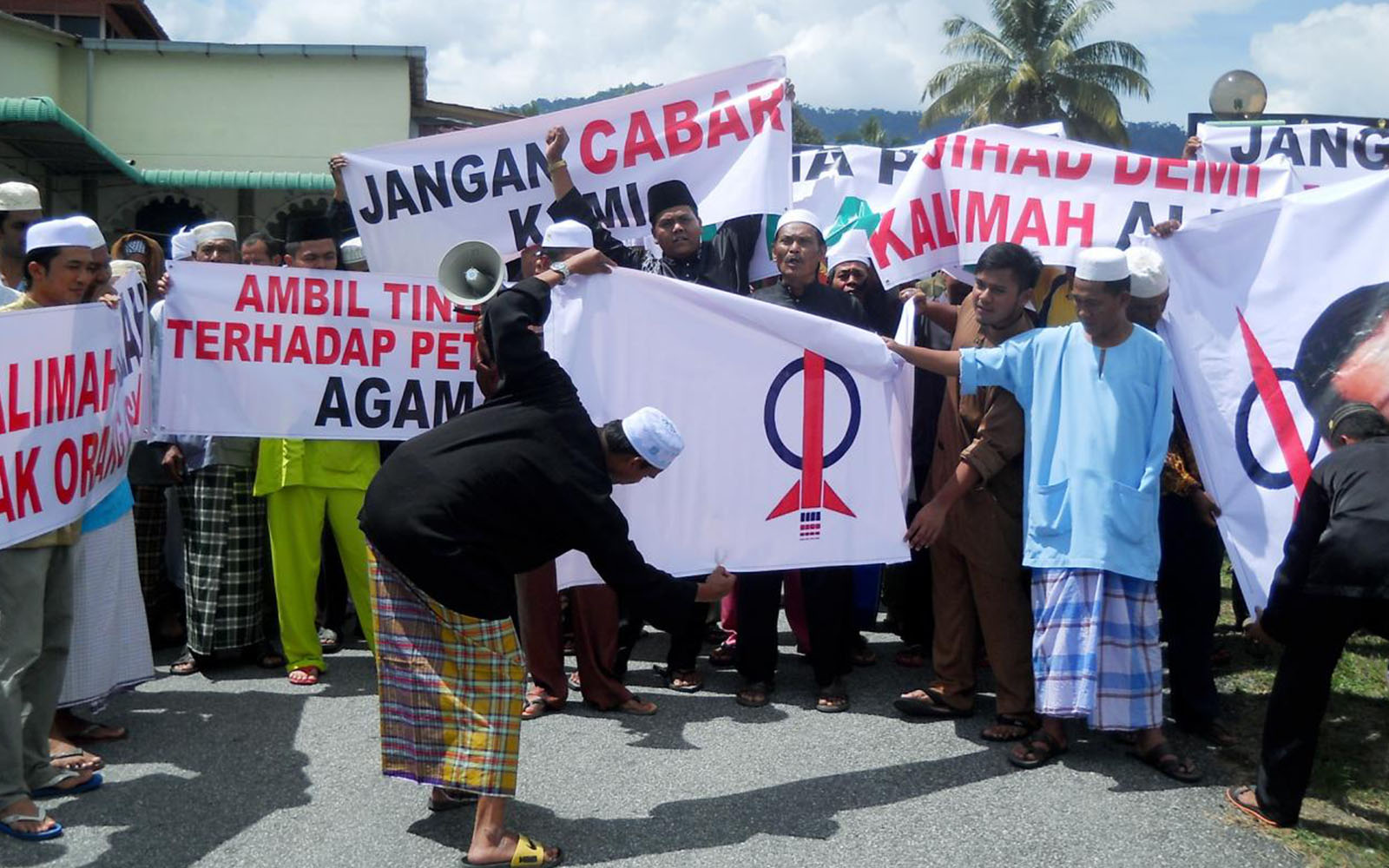
A recurring theme at recent Malaysian campaign rallies and online discussions is the assertion that the Democratic Action Party (DAP) is solely responsible for the fragmentation of Malay political alliances. However, this argument is grounded in a simplistic view that fails to address the underlying complexities. Blaming DAP serves as an effective tactic to rally voters, but it masks the actual causes of the Malay political crisis.
The source material highlights that the polarization within the Malay community is not a result of external pressure but rather an internal conflict involving power struggles, divergent egos, and evolving socioeconomic conditions. DAP has simply been used as a scapegoat every time the community's internal divisions become apparent.
The history of Malay politics is marked by numerous instances where internal disputes led to significant political shifts, long before DAP entered the mainstream ruling coalition. For instance, the 1987 Umno crisis, where Dr Mahathir Mohamad and Tengku Razaleigh Hamzah clashed, resulted in the emergence of Semangat 46. Similarly, the 1998 Reformasi movement, triggered by Anwar Ibrahim's dismissal, gave birth to the People's Justice Party (PKR).
The 1MDB scandal's fallout led to the formation of the newer Berjaya Party (Bersatu) in 2016. These political upheavals were rooted in leadership conflicts within Umno itself, rather than being directly influenced by DAP. Additionally, the Malay electorate is not a homogenous group. Even before achieving independence, Malay political ideologies were divided into several distinct factions.
Traditionally, Umno emphasized ethnic privileges and the social contract, while PAS advocated for a state governed by Islamic law, leading to their split from Umno as early as 1951. Today, contemporary movements such as PKR and Amanah are vying for a place in this political spectrum by advocating for institutional reforms and social justice, all within the context of a pluralistic society.
The presence of these diverse viewpoints within the Malay community naturally leads to a fragmented political environment. DAP's role in this narrative is largely symbolic. When multiple Malay-based parties are compelled to compete for the same voter base, they often engage in a superficial battle of nationalistic and religious identity.
In this competitive environment, labeling opponents as DAP supporters is a common strategy to undermine their credibility. This approach shifts the focus away from the actual shortcomings of a party's policies by using historical grievances and racial anxieties to appeal to voters in the short term. The source argues that a society that values political diversity is a sign of a healthy democracy, rather than a cause for concern.
It is time for Malay political leaders to stop attributing the fragmentation to DAP. This tactic will not help to heal the community's divisions. The true challenge lies in the inability of these leaders to unite their parties, manage various ideological differences with mutual respect, and prioritize national stability over personal ambitions.
Until they take a long, hard look at their own shortcomings, they will continue to fight against phantom enemies. Moaz Nair, a reader of FMT, presents these insights. The opinions expressed are solely his own and do not represent the stance of FMT.
Written by urgent.news from Free Malaysia Today's reporting — not their text. Machine-written — may contain errors; check the original before relying on it.
This story
This is one outlet's version. Read the fullest account.
- Blaming DAP won’t reunite Malays politically freemalaysiatoday.com