The illusion of the easy war
On March 1, one day after the US-Israeli war with Iran began, President Donald Trump declared that the conflict would last about four weeks and end with regime change in Tehran. This was to be a “shock and awe” war, fought at distance and relying on technological superiority to deliver a transformative goal within an ambitious timeline. America’s qualitative military edge soon delivered results…
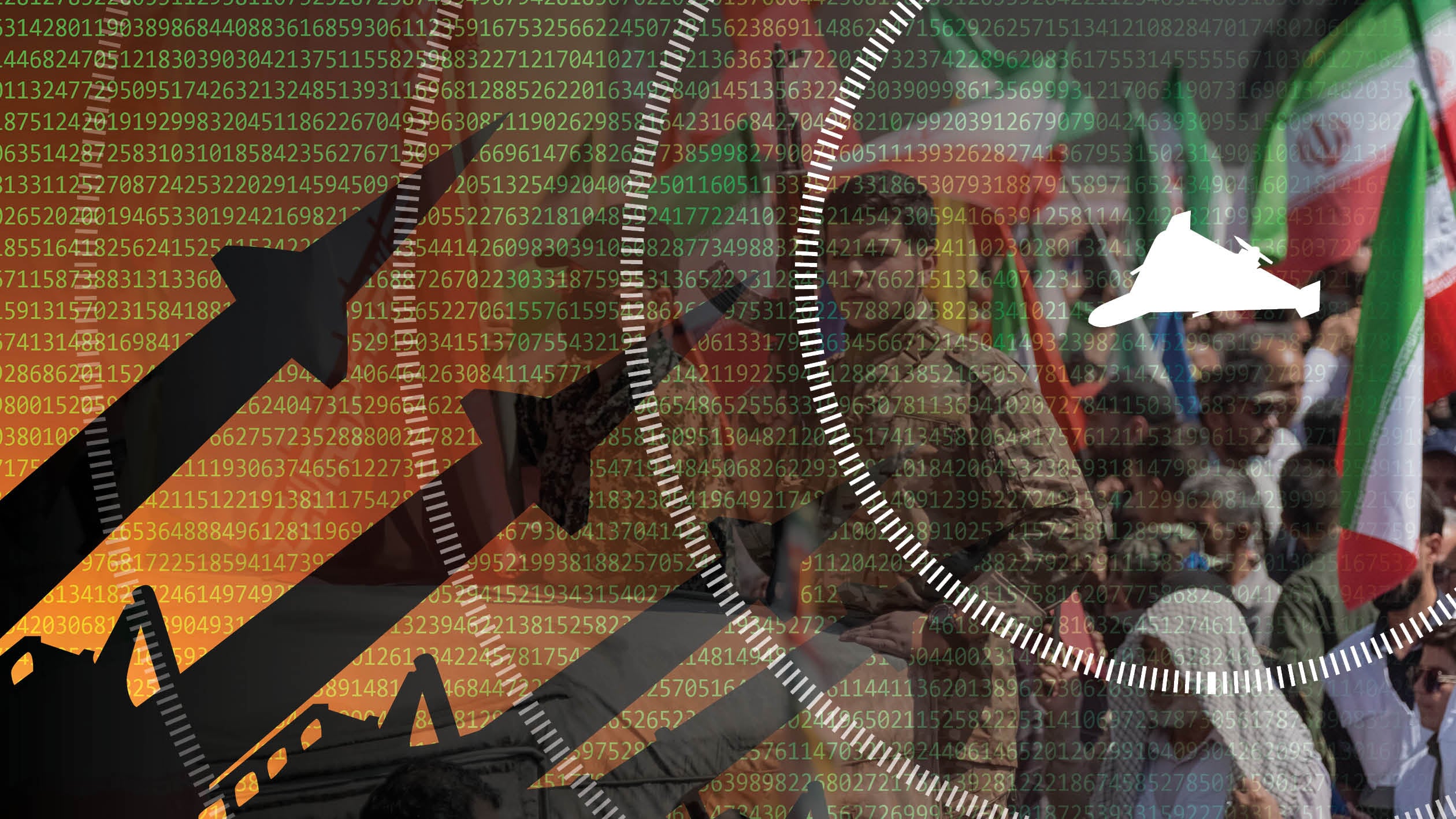
On March 1st, President Donald Trump declared that the US-Israeli war with Iran would last around four weeks and end with a change in Tehran's regime. He predicted that precision strikes would devastate the Iranian military and remove its political leadership, all without deploying ground troops. The US relied on its advanced military technology and could support operations from various locations worldwide.
However, this approach proved to be an avoidable trap. Advanced militaries, despite their technological edge, can struggle in asymmetric conflicts. The illusion of "shock and awe" can be misleading, as it often fails to account for the resolve of the weaker party. The Iran war serves as a reminder that technology and distance alone do not guarantee victory.
In warfare, the level of resolve determines how much mass – the quantity and concentration of combat assets and firepower – a party is willing to mobilize and sustain to achieve success. The stronger party's resolve, along with its ability to absorb pain, is crucial in determining the outcome. The US-led war against Iran is a prime example of this dynamic.
Israeli Prime Minister Benjamin Netanyahu allegedly offered Trump a quick, cheap, and easy victory by combining US and Israeli firepower, expecting Iran to fall without the need for ground troops. However, Iran's resolve led to an existential struggle, employing cost-effective tactics like human-wave assaults and modernizing them with cheap drones.
Iran demonstrated its ability to fight a prolonged struggle, even when its drones were shot down. This example highlights that technological innovation is not limited to the stronger party. The war in Ukraine also illustrates the same strategic dilemmas faced by the US. Russia, despite having clear resolve and deploying mass resources, initially mobilized a fraction of its capabilities due to overconfidence and domestic and international blowback concerns.
Ukraine, on the other hand, felt existentially threatened and poured approximately 40% of its GDP into military expenditures, raising a nearly one million-strong army. Both Russia and Ukraine have innovated technologically and shown resolve. This mirrors Washington's own experience in Vietnam, where massive firepower did not lead to victory.
In Afghanistan, the US toppled the Taliban quickly, but then suffered from mission creep, increasing troop presence and setting unrealistic goals. The key takeaway is that technology and distance do not necessarily make wars easier to win. The level of resolve and the willingness to mobilize mass resources are equally important factors in determining the outcome of conflicts.
Written by urgent.news from The National UAE's reporting — not their text. Machine-written — may contain errors; check the original before relying on it.
Also reported by 1 other outlet
- The illusion of the easy war thenationalnews.com