Spritpreise: Söder fordert grundlegende Reform der Energiesteuern
Nach Wochen des Wartens will die Bundesregierung nun die hohen Kosten für Diesel und Benzin senken. CSU-Chef Söder geht das nicht weit genug. Seine Forderung ist grundlegend und zielt in die Zukunft.
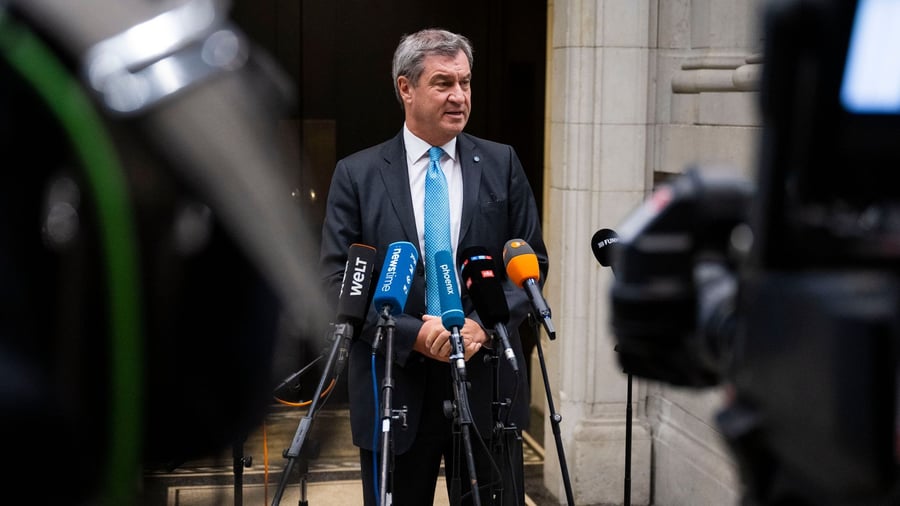
CSU-Chef Markus Söder calls for a fundamental reform of Germany's energy taxes, stating that the country's energy prices are being made more expensive by state-imposed CO2 pricing and other regulations. Speaking ahead of the Bundesrat meeting in Berlin, the Bavarian Minister-President praised the steps taken to lower fuel prices but emphasized that this was just a first step.
"We need to fundamentally consider how to permanently lower energy prices," he said. Söder called for a "big package" that would provide permanent relief from high energy prices, stating that the German government cannot waver every three months on whether to intervene or not. Instead, a permanent regulation is needed for the long term, as there is no indication that the current situation will improve in the coming months. However, fuel must again be affordable in Germany.
The Bundestag and Bundesrat aim to bring about the next fuel rebate, which will reduce taxes on gasoline and diesel by nearly 17 cents to relieve drivers. Söder hopes that the increase in the commuter allowance next year will also help alleviate the high costs of fuel, but he stressed that this alone is not enough. "It needs an energy tax reform."
He also agreed that "instruments that have not worked should be buried." The 12 o'clock rule, which aims to provide relief from high energy costs, has ultimately failed and brought no relief, so Söder supports the Bavarian request to finally end this rule. "We need to tackle this fundamentally." He is also open to the idea of an overshoot tax on profits and a fuel price cap, but he has nothing against them if they work at the European level.
Federal Finance Minister Lars Klingbeil (SPD) must now prove that these measures work, and Söder has no objection to a fuel price cap, but there are doubts among experts about whether the model will function.
Written by urgent.news from Handelsblatt's reporting — not their text. Machine-written — may contain errors; check the original before relying on it.