From phones to defence: What 12 years of Make in India delivered
Make in India turns 12, driven by strong growth in electronics, defence exports, PLI production and domestic manufacturing growth.
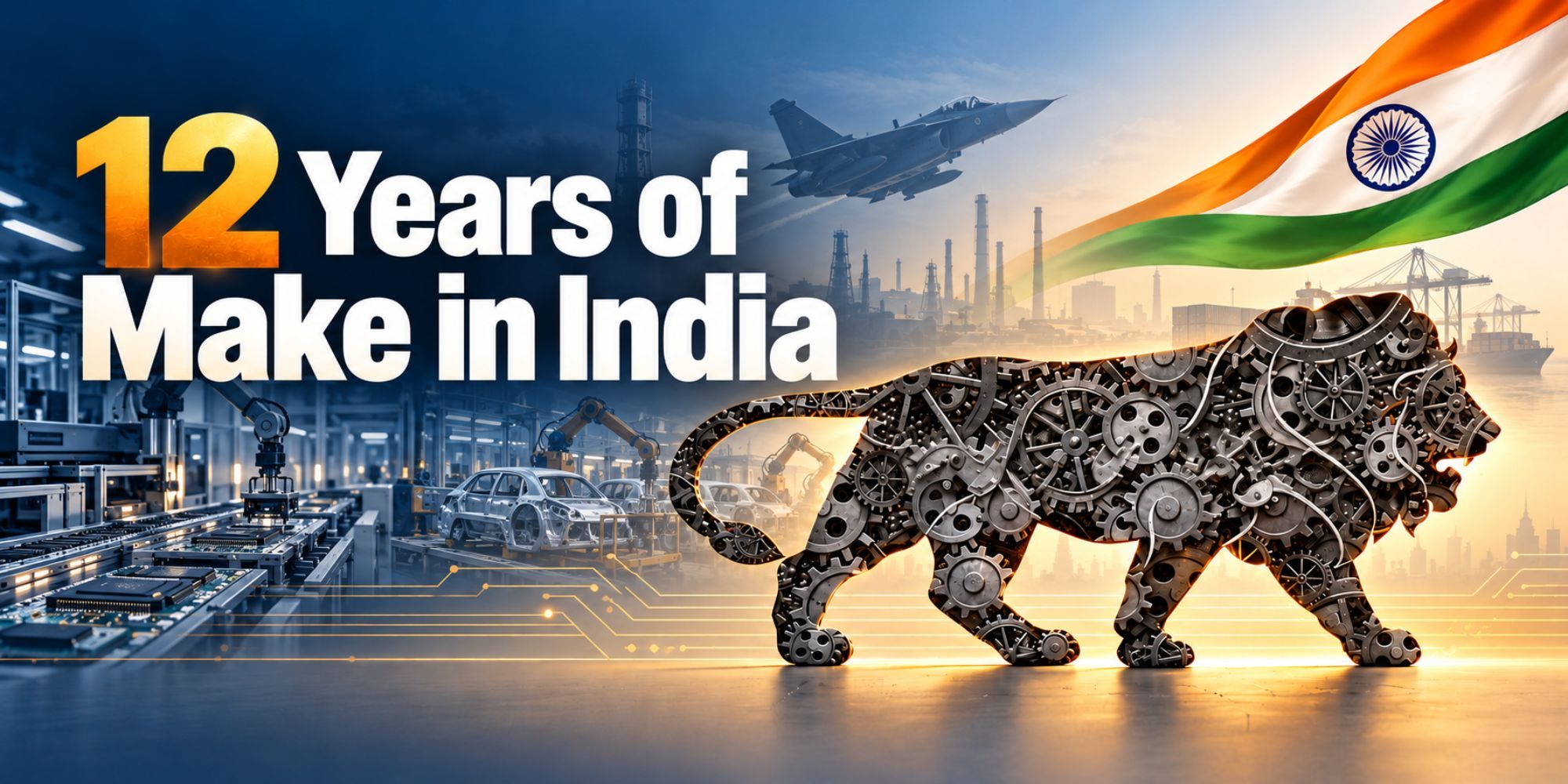
Prime Minister Narendra Modi commemorated the 12th anniversary of the Make in India initiative on September 25, 2026, emphasizing its focus on infrastructure, enterprise, and innovation to fuel India's growth. In a X post, Modi highlighted a video showcasing the initiative's achievements, tagging it with #12YearsOfMakeInIndia. He noted increased production, investments, and exports as evidence of a transformative impact across various sectors.
The initiative, launched in 2014, has expanded to encompass 27 sectors, including 15 in manufacturing and 12 in services. The Production Linked Incentive (PLI) schemes have played a pivotal role, generating Rs 23.8 lakh crore in production and sales, along with exports exceeding Rs 15.5 lakh crore and investments of around Rs 2.58 lakh crore.
In the electronics sector, production surged nearly sevenfold, from Rs 1.9 lakh crore to Rs 13.11 lakh crore, with mobile phone production increasing roughly 33 times, positioning India as the world's second-largest mobile phone manufacturer. The defence sector has also witnessed a remarkable turnaround, with exports growing about 55 times, from Rs 690 crore to over Rs 38,400 crore, and indigenous defence production reaching a record Rs 1.78 lakh crore in FY 2025-26.
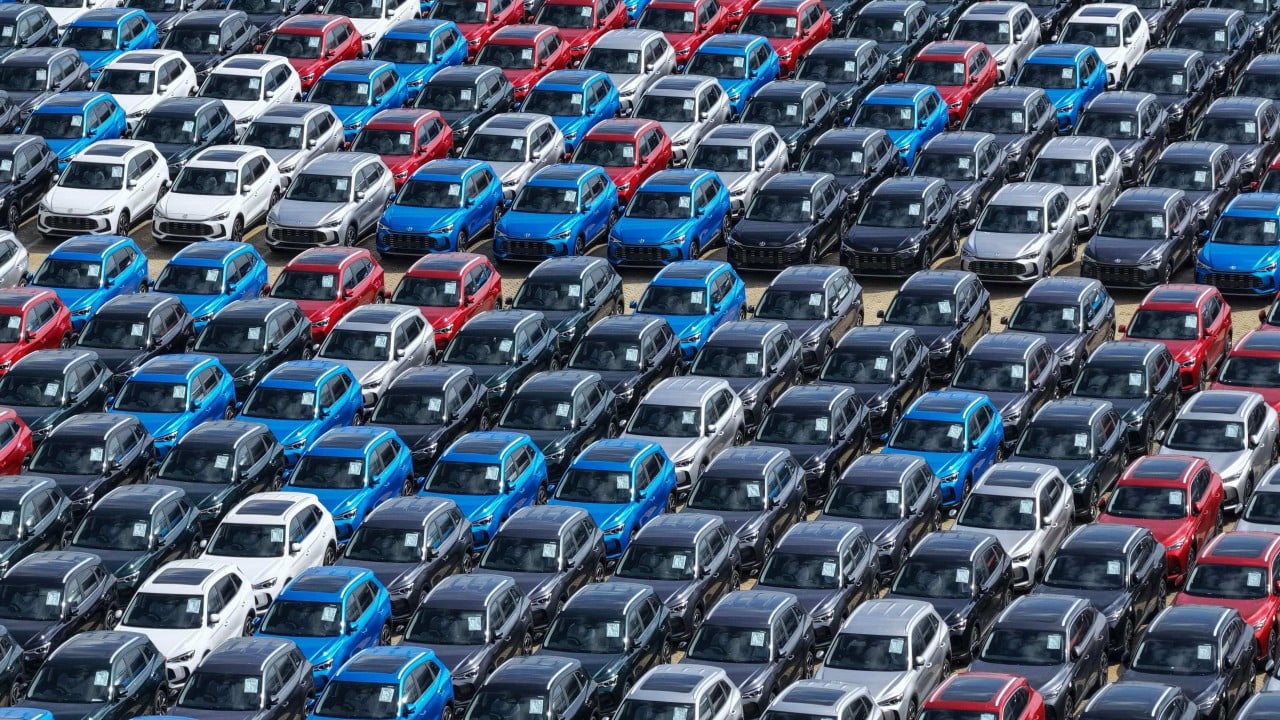
Automobile production reached 31.03 million units in 2024-25, a 33% increase from 2014-15. Commerce and Industry Minister Piyush Goyal underscored the initiative's broader impact, stating that India has transitioned from manufacturing primarily for domestic consumption to producing for global markets, highlighting India's capability to manufacture, innovate, and compete on the world stage.
However, while significant strides have been made, particularly in electronics, defence, and PLI-linked exports, the ultimate objective of elevating manufacturing to a larger share of India's GDP remains a work in progress, with future efforts likely focusing on deeper domestic value addition in semiconductors, components, and advanced manufacturing to transition assembly-led growth into a comprehensive supply chain capability.
Written by urgent.news from YourStory's reporting — not their text. Machine-written — may contain errors; check the original before relying on it.