DNA database of UK dogs could help police collar criminals
Experts working on database that could identify particular breeds involved in crimes, or rule out canine suspects From tracking criminals to sniffing out drugs, dogs have long helped police crack cases. Now experts are hoping a database of canine DNA could offer vital leads. While hair, saliva and other canine material may be found at crime scenes, or on individuals connected to incidents,…
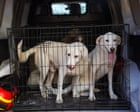
A new DNA database aimed at identifying specific dog breeds involved in crimes is being developed in the UK. Experts at King’s College London and the Royal Veterinary College are working together to create a database that could help police crack cases and rule out canine suspects. Hair, saliva, and other traces of dogs at crime scenes are often overlooked, yet these could provide valuable leads.
Prof Denise Syndercombe Court, leading the project, explained that forensic analysis using a focus on short tandem repeats (STRs) – unique genetic sequences inherited from a dog's parents – can offer a nearly unique profile for each dog, regardless of breed. The database, which currently covers 80 breeds, could identify the breed of a canine involved in a crime, which could be particularly useful when the suspect dog is unknown or when samples cannot be taken directly from the animal.
For example, the STR analysis helped determine a man's injuries were likely caused by his own dogs, and excluded the possibility that the dogs belonged to another person. Similarly, the DNA analysis aided in identifying the breed of dog responsible for a sheep attack. This pioneering research could revolutionize how police utilize canine DNA collected from crime scenes, providing crucial insights into dog-related crimes.
Written by urgent.news from Guardian Science's reporting — not their text. Machine-written — may contain errors; check the original before relying on it.