"Compute in space will round up to 100%": Elon Musk backs future of AI compute
Sharing a video featuring Google's Senior Director, Paradigms of Intelligence Travis Beals, Musk said, "The amount of compute in space will obviously round up to 100% of all compute."
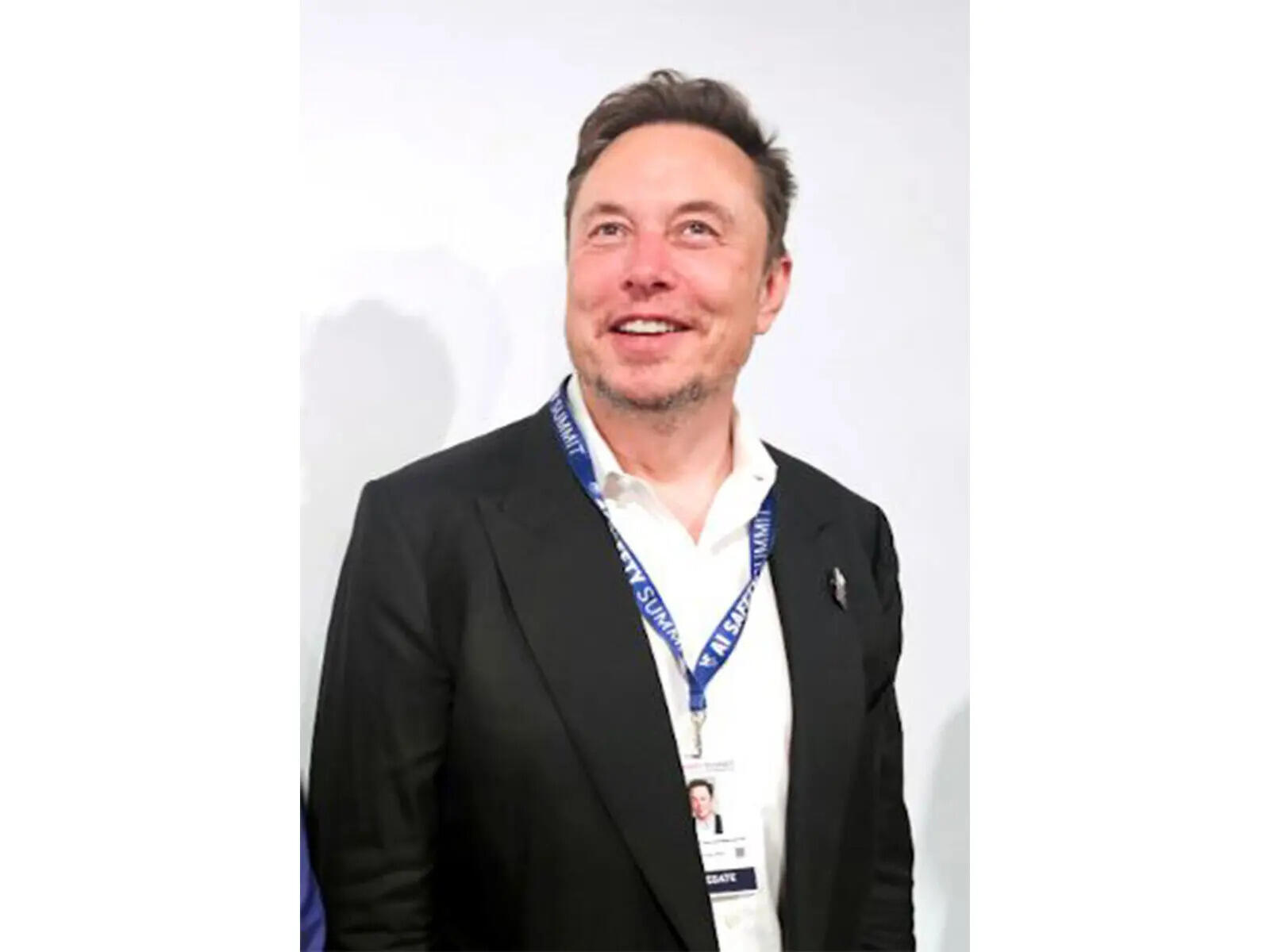
Elon Musk, the CEO of SpaceX and Tesla, has boldly predicted that the majority of future computing power will be located in outer space. This prediction came in light of Google's announcement of Project Suncatcher, an ambitious moonshot initiative to bring AI infrastructure to space.
In a video featuring Google's Senior Director of Paradigms of Intelligence, Travis Beals, Musk stated that "the amount of compute in space will obviously round up to 100% of all compute." Earlier, Musk had posted on X, expressing his confidence that SpaceX would be launching AI computers into space next year as part of SpaceX's Starmind concept.
SpaceX's Starmind concept involves establishing AI data centers in orbit using orbital satellites. These satellites would take advantage of readily available power and cooling in space, beaming back data via high-bandwidth lasers to the Starlink constellation. The satellites would feature localized compute, with each satellite potentially housing dozens of Tensor Processing Units (TPUs), Google's custom AI chips.
Meanwhile, Google revealed that Project Suncatcher will launch its first test satellite aboard a SpaceX Falcon 9 rocket on October 1. This research moonshot aims to determine if space can host scalable machine learning infrastructure. In low Earth orbit, satellites can harness nearly constant sunlight, generating up to eight times more solar power than on Earth.
Google's Senior Director of Paradigms of Intelligence, Travis Beals, explained that Project Suncatcher is based on a simple idea: "How can we efficiently scale AI infrastructure through orbital data centers by leveraging the abundant energy we can get from the sun?" Beals added that they initially considered various orbits but found the dawn-dusk orbit to be optimal, as satellites in this orbit receive nearly 24/7 sunlight.
Ultimately, Google sees space as a viable location for scalable AI compute, with the first launch serving as a trial to identify points of failure and apply the findings to future missions.
Written by urgent.news from Economic Times Tech's reporting — not their text. Machine-written — may contain errors; check the original before relying on it.
This story
This is one outlet's version. Read the fullest account.
- Google is sending an AI data center into space — with help from Elon Musk’s SpaceX tomsguide.com
- Google takes the AI data centre race to outer space businesstimes.com.sg
- Google To Send TPUs Into Space Next Week On A SpaceX Falcon 9 To Test If AI Data Centres Can Be Built Outside Earth freepressjournal.in
- "One small step for TPUs": Google CEO Sundar Pichai announces Project Suncatcher to test AI compute in Space economictimes.indiatimes.com
- Google is sending an AI satellite into space next week theverge.com
- Google Is Sending an A.I. Data Center to Outer Space nytimes.com
- Elon Musk eyes doubling xAI's Colossus 2 Nvidia AI chips by year-end seekingalpha.com