China fuels rush to turn AI video into an industry
Local governments are promising to build tech clusters and offering subsidies to AI filmmakers and startups, a familiar industrial policy playbook.
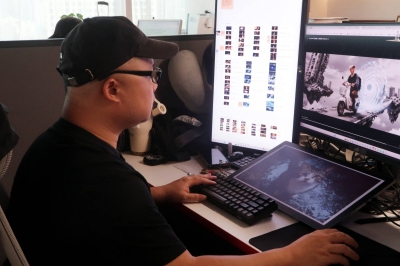
China is fueling a rush to transform AI video into a booming industry. Zhu Zhili, an AI filmmaker, found no better location to establish his studio than Shenzhen, a city renowned for its extensive technology ecosystem. He now receives daily inquiries from various Chinese cities and industrial parks, all vying to host AI film businesses. These appeals highlight China's ambitious plan to integrate AI into every sector of the economy, including cinema.
Local governments are actively promoting this trend by constructing tech clusters and offering subsidies to AI filmmakers and startups. This mirrors previous industrial policies, treating AI-generated content like electric vehicles, solar panels, and robotics – all previously transformed into competitive industries. Consequently, China is witnessing a rapid emergence of AI filmmakers, studios, and streaming platforms, all striving for an early lead in production techniques and distribution.
The Chinese government has made AI filmmaking extremely attractive with low rents, living allowances, and computing support. Zhu Zhili, who heads the AIGC department at China Wit Media in Shenzhen, runs his studio from a shared workspace with the support of the city government and Hong Kong Polytechnic University. While AI film production offers significant cost advantages, the industry faces potential risks akin to those faced by other subsidized sectors.
The National Film Administration recently granted a public-screening license to the first AI film, "Sanxingdui: Future Memories," which is set for release this year. However, concerns about copyright infringement and job losses due to AI-generated content have emerged. Filmmakers are drawn to AI due to its low production costs. For instance, producing a typical wedding scene conventionally costs around 60,000 yuan, whereas AI production can bring the same scene to life for just a few hundred yuan.
Some cities, such as Shanghai and Beijing, have introduced incentives to accelerate AI-powered micro-drama production, offering technical support, computing power, cloud-based AI models, and subsidized rent. Major streaming platforms, like iQIYI, are also embracing AI, offering creators subsidies for AI content streamed on their platforms.
However, the industry faces backlash, with actors raising concerns over the use of their likenesses and consumers complaining about plagiarism and a lack of originality. Despite these challenges, AI film content production in China is surging, even going abroad, as director Cao Yiwen showcased her AI-animated film at the World AI Film Festival in Cannes.
Written by urgent.news from New Straits Times's reporting — not their text. Machine-written — may contain errors; check the original before relying on it.
This story
This is one outlet's version. Read the fullest account.
- China fuels rush to turn AI video into an industry thehindu.com
- China fuels rush to turn AI video into an industry nst.com.my
- China fuels rush to turn AI video into an industry investing.com