China and the US can make nice, if not peace
Washington and Beijing have spent nearly a decade trading tariffs, export controls and blacklists, with each round threatening rupture. Yet they keep recovering from the brink. Tensions soared before summits and plunged immediately after. For example, in 2019 at Osaka, Trump walked back threats to impose tariffs on US$300 billion of Chinese goods and eased curbs on Huawei after Beijing reportedly…
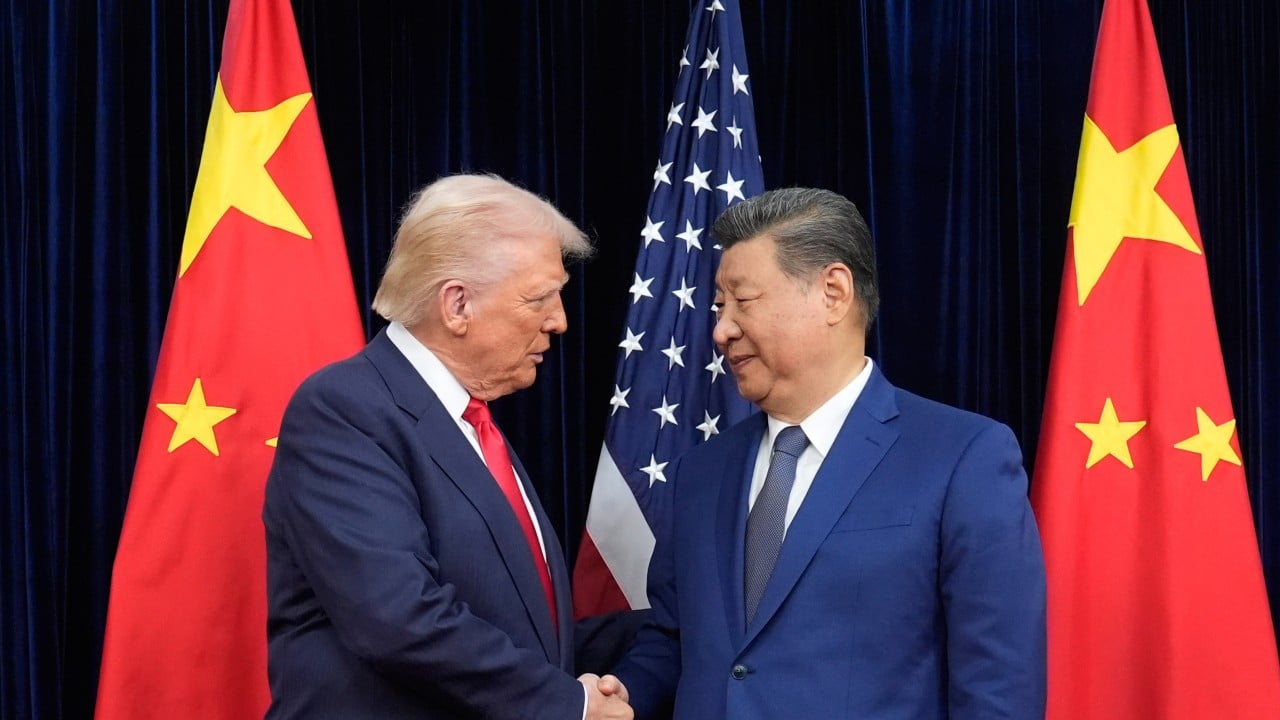
President Xi Jinping and President Joe Biden have convened at the White House, engaging in their latest round of high-stakes talks. Despite a decade-long history of geopolitical tensions, both leaders are determined to find common ground and avoid a full-blown confrontation. While tariff wars and export controls have plagued their relationship, each summit has seen a thawing of relations followed by a subsequent cooling.
In 2019, President Trump softened his stance on trade with China following Beijing's willingness to purchase US farm products, while President Biden recently lowered tariffs and halted export controls on several Chinese companies after China agreed to buy American farm goods and suspend rare earth restrictions. The ongoing trade war has proven costly for both nations, with bilateral trade plummeting by 25.1% in 2022.
The US has imposed tariffs on a significant portion of Chinese goods, yet the impact on American exports to China has been equally severe. Beijing's dominance in key sectors such as rare earth mining and processing capacity has limited Washington's options. Nevertheless, the administration has refrained from escalating tensions further, recognizing the potential risks.
US Trade Representative Jamie Pressly Greer has emphasized the goal of maintaining stability rather than pursuing conflict. The administration's latest National Security Strategy refrains from labeling China as an economic competitor, instead focusing on fostering a mutually beneficial relationship. The path forward remains fraught with challenges, particularly regarding China's economic practices, such as subsidies, forced technology transfer, and restrictive procurement rules.
However, incremental progress is possible through continued dialogue and the management of sensitive issues. The issue of Taiwan continues to be a flashpoint, but a recent command-level meeting between Chinese and US officials signals a renewed interest in diplomatic communication. While lasting stability may be elusive, sustained engagement and careful handling of differences may yield tangible benefits for both nations.
Written by urgent.news from South China Morning Post's reporting — not their text. Machine-written — may contain errors; check the original before relying on it.