The promise and peril of using visual AI to study cities
In their new book, “How AI Sees the City,” the leaders of MIT’s Senseable City Lab examine the technology’s implications for researching urban life.
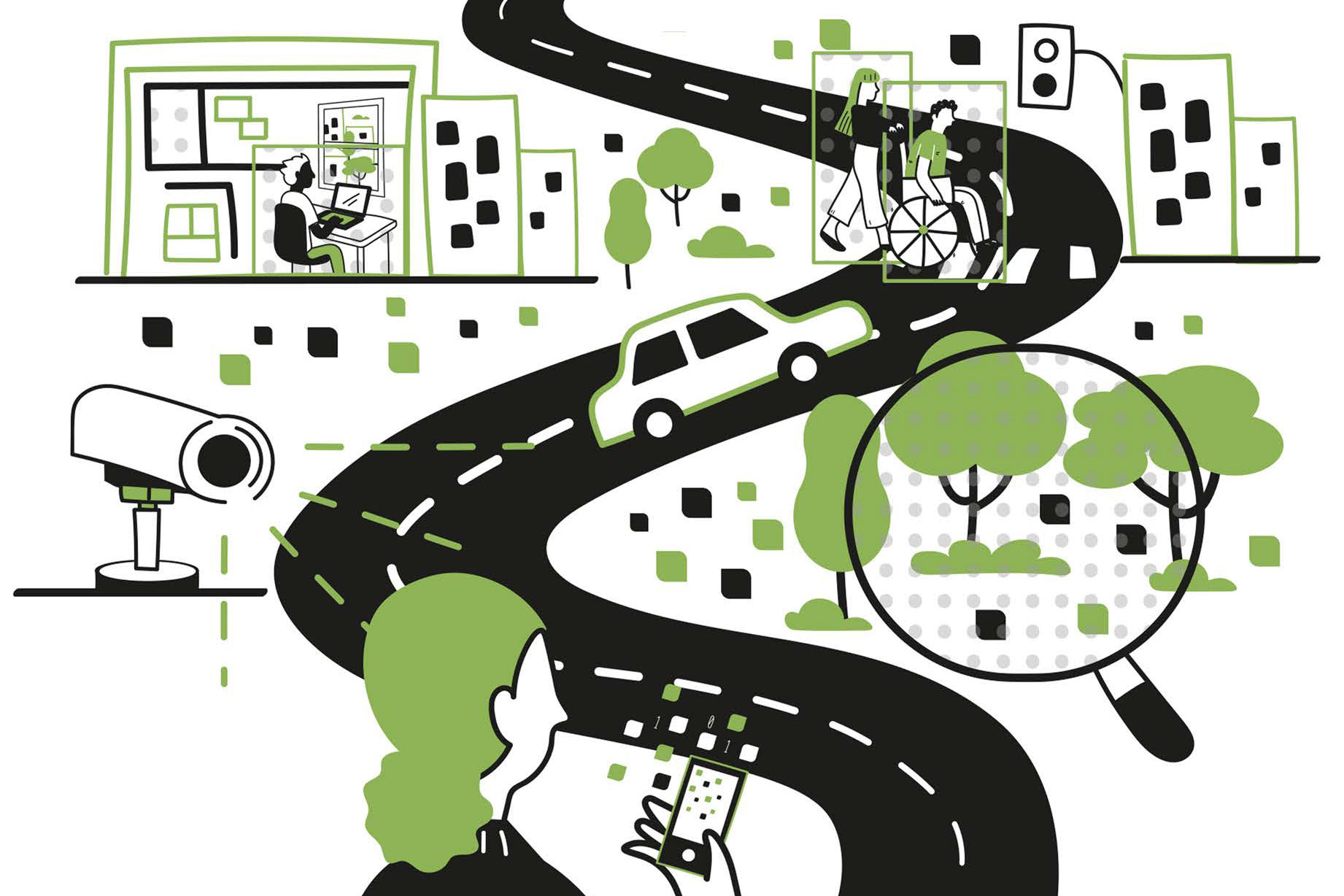
Researchers at MIT's Senseable City Lab have developed new methods using visual artificial intelligence (AI) to study cities, revealing both promise and peril. With machine learning, the team can identify vehicle types in traffic cameras and estimate emissions, enabling unprecedented precision and scale in monitoring. This technology could address various urban planning questions, such as traffic congestion, intersection dangers, and the popularity of plazas or parks.
However, privacy and fairness concerns arise due to the potential for extensive data collection. While visual AI expands the ability to observe cities at a large scale and finer detail, the authors stress the need for caution. The book "How AI Sees the City: Urban Visual Intelligence" explores these topics, emphasizing that AI should be seen as a tool serving human purposes in designing and refining urban form.
The authors outline potential pitfalls, including invasive visual surveillance and the risk of AI systems reinforcing biases. These concerns are heightened by the presence of cameras in cities worldwide, with China having the highest density of surveillance cameras.
Written by urgent.news from MIT News Research's reporting — not their text. Machine-written — may contain errors; check the original before relying on it.