The common radiator mistake that is actually making your house colder, according to experts
Turning your heat back on for fall? A heating expert reveals why bleeding a cold radiator might actually leave your home colder.
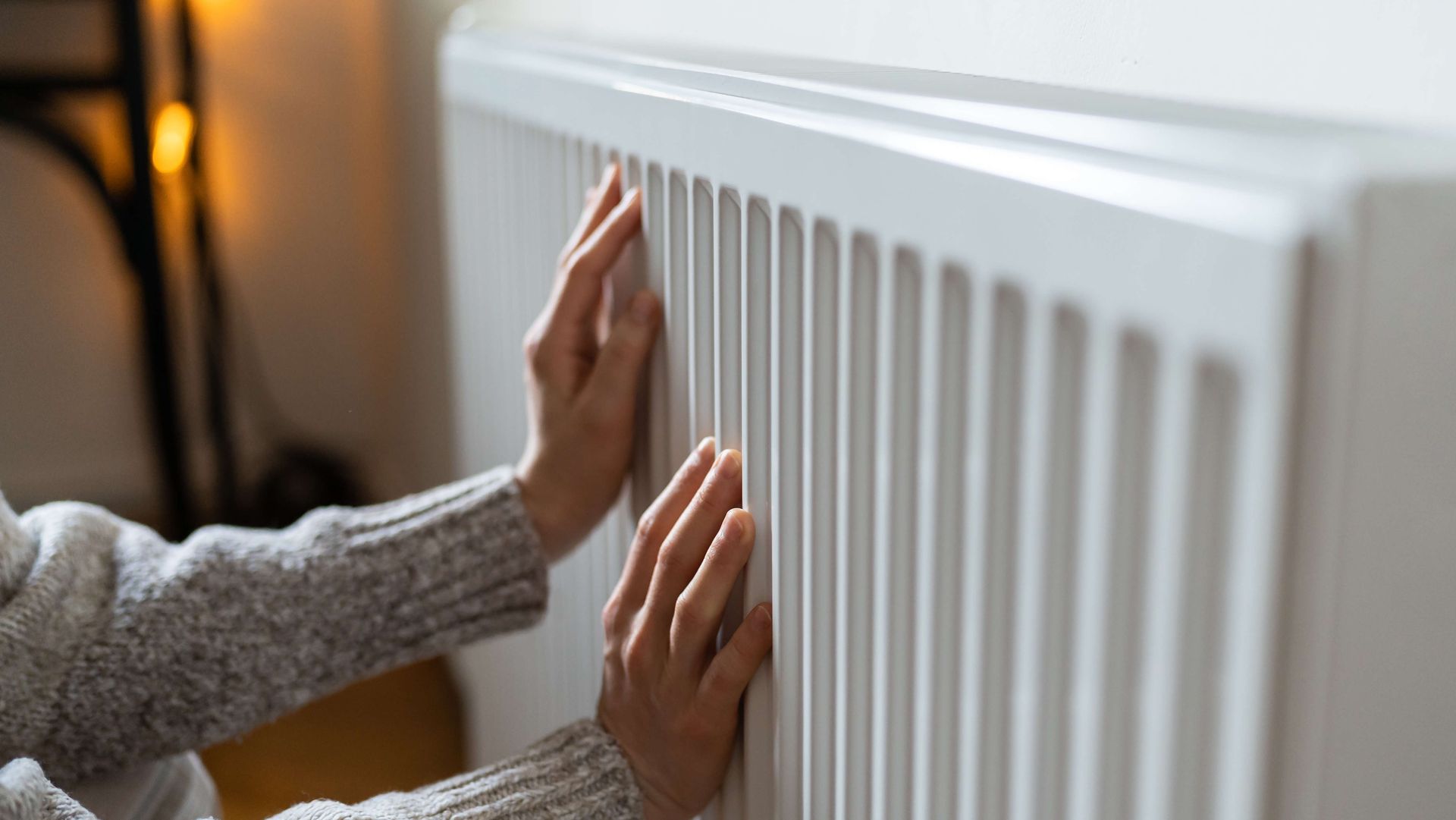
As autumn arrives and heating systems are turned on once more, many homeowners discover that some radiators are not providing the warmth they should. Reaching for the radiator key upon feeling a cold panel might be a counterproductive move. Heating specialist Rob Nezard from U.K. Radiators warns that a cold radiator doesn't necessarily indicate trapped air, and attempting an incorrect fix won't resolve the underlying problem.
Early fall is an ideal time to test your heating system rather than waiting until the first severe cold snap. Nezard advises turning the heating on and allowing the system ample time to warm up, then checking each radiator for uneven temperatures and listening for unusual gurgling sounds.
To diagnose a cold radiator quickly, start by feeling where the cold air is trapped. If the bottom is warm but the top remains cold, bleeding the radiator may help. The classic sign of a radiator needing bleeding is when the bottom is warm, but the top remains noticeably colder. Unusual noises like gurgling, clunking, or groaning when the heating starts can also indicate trapped air inside the radiator.
If the radiator feels cold at the bottom, do not bleed it. Cold patches at the bottom can be due to a buildup of sludge or debris inside the radiator. Repeatedly bleeding the radiator won't remove sludge, and it might require a professional flush instead. If your diagnostic test confirms that air is trapped at the top of your radiator, proceed with caution when bleeding.
Never bleed a radiator that has just been running at full temperature - switch the heating off and let the radiator cool completely first to avoid hot water escaping when you open the valve.
Bleeding a hot radiator can lead to several common mistakes. First, never bleed radiators while they're still hot. Always switch off the heating and let the radiator cool down before starting. Second, assuming every cold radiator needs bleeding is a mistake. If the radiator is cold at the top, it may indicate trapped air, but cold at the bottom could point to sludge buildup, which requires a professional flush rather than simple bleeding.
Third, avoid opening the bleed valve too far - just a quarter to half turn is enough to release trapped air. A hissing noise will signal that air is escaping. Fourth, always have a towel and catch bucket ready before touching the valve, as water will follow the escaped air. Finally, remember to check the boiler pressure after bleeding, as the process releases both air and water from the heating pipes, which can lower the pressure in sealed systems.
Written by urgent.news from Tom's Guide's reporting — not their text. Machine-written — may contain errors; check the original before relying on it.