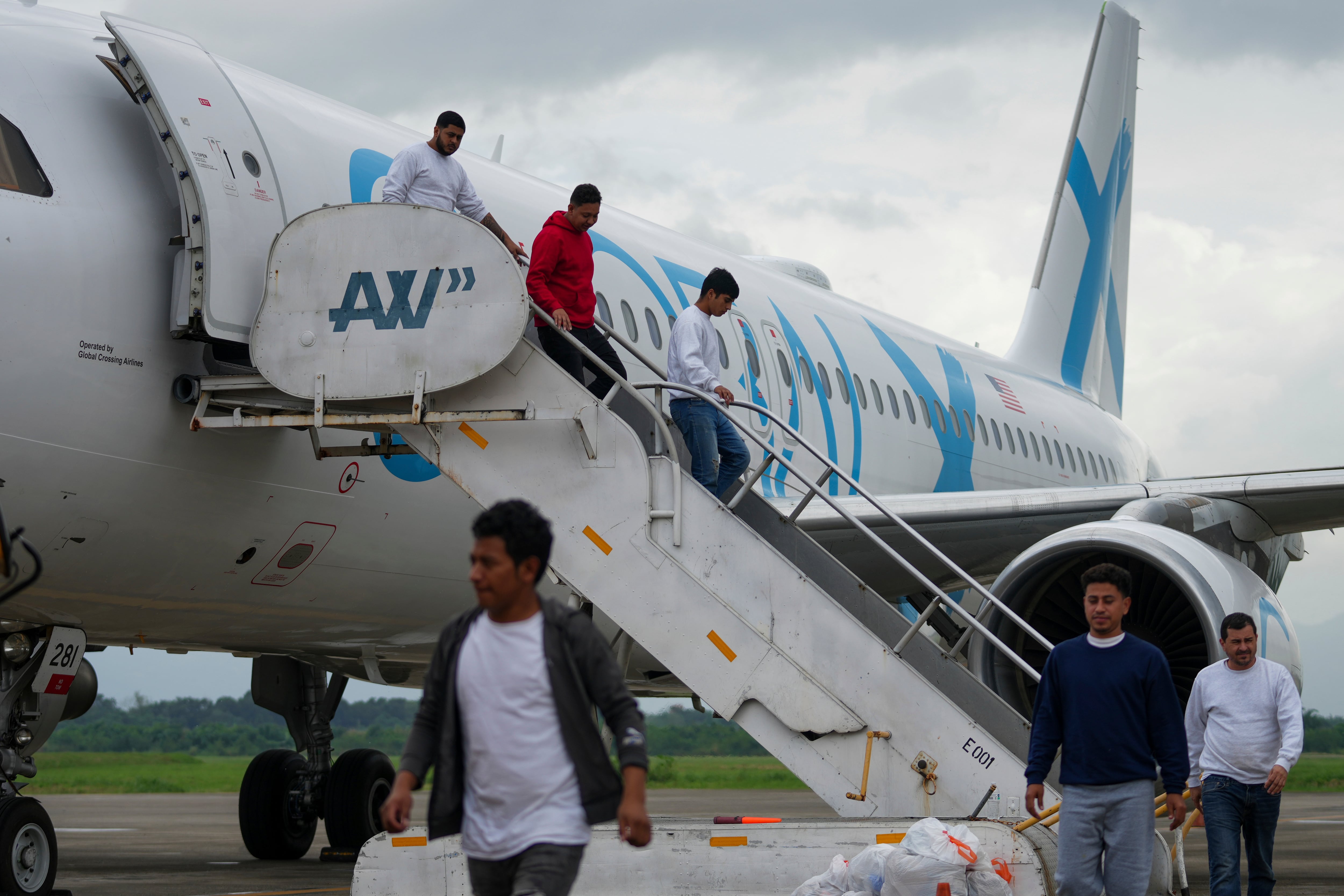
For the first time, court orders US government to return migrant deported to Africa
A First Circuit Court of Appeals ruling against deportations to third countries also gives hope to other people who have been forcibly sent in recent weeks to several African countries
Nairobi, Kenya, September 24 - African animal-health officials are seeking ongoing financial support for a campaign to eradicate a lethal disease affecting sheep and goats, asserting that investment in vaccinations, monitoring, and veterinary services could yield billions in economic gains. The drive to eradicate Peste des Petits Ruminants (PPR) follows findings that the disease incurs annual global losses of up to $2.1 billion, as reported by the Food and Agriculture Organization (FAO).
PPR has been detected in over 70 nations, encompassing areas that host approximately 1.7 billion sheep and goats, representing roughly 80% of the global population. At a gathering in Rome, leaders urged governments, international financial bodies, development banks, and private investors to provide sustained funding for vaccination drives, disease surveillance, and veterinary services required to eradicate the virus.
Known as sheep and goat plague, PPR does not affect humans but can decimate livestock herds and the livelihoods of pastoralists and smallholder farmers who rely on sheep and goats for sustenance, income, and household assets. According to the FAO, PPR can infect up to 90% of a susceptible herd and claim up to 70% of infected animals.
A global economic evaluation suggests that a 15-year eradication plan costing $2.26 billion could yield benefits worth around $76.5 billion, equating to an estimated $33.80 in economic rewards for each dollar invested. The investment would cover vaccination, surveillance, diagnostic tools, cold-chain infrastructure, and veterinary services.
Experts maintain that the existence of effective and affordable vaccines makes eradication technically feasible, although reaching livestock in remote and nomadic pastoralist communities remains a significant hurdle. Consistent distribution of vaccines, supported by functioning cold chains and trained veterinary personnel, is crucial.
Countries also need enhanced surveillance and monitoring post-vaccination to determine if campaigns are curtailing transmission.
The implications extend beyond animal health. Sheep and goats are of paramount importance to impoverished rural households as they provide meat, milk, income, and act as a form of financial reserve during periods of economic or climate instability. The FAO estimates that the disease jeopardizes the livelihoods and assets of hundreds of millions of people who depend on small ruminants.
Outbreaks can also disrupt livestock trade and food supplies when populations and production decline due to reduced animal numbers. Participants at the Rome meeting emphasized that eradication cannot be achieved by individual countries acting alone. The virus can spread through the movement of livestock across borders, shared grazing lands, and trade routes, necessitating coordinated vaccination and surveillance efforts.
They called for enhanced cross-border collaboration, transparent reporting of outbreaks and vaccination outcomes, and sustained investment in veterinary systems. This continental initiative involves the Pan-African PPR Secretariat, in conjunction with the African Union Inter-African Bureau for Animal Resources (AU-IBAR), AU-PANVAC, FAO, and the World Organisation for Animal Health (WOAH).
Written by urgent.news from Capital FM Kenya's reporting — not their text. Machine-written — may contain errors; check the original before relying on it.
This story
This is one outlet's version. Read the fullest account.