Electricity prices are rising. So are power outages. I tested 3 new home batteries that can help
I spent the last few weeks hoping that my power would go out. I’ve been testing three new portable home batteries designed to make backup power more accessible—and help save on energy bills. In the past, using battery backup for a home often meant spending $10,000 or more on equipment, and thousands more to hire an electrician and upgrade your electrical panel. The smaller devices I tested don’t…
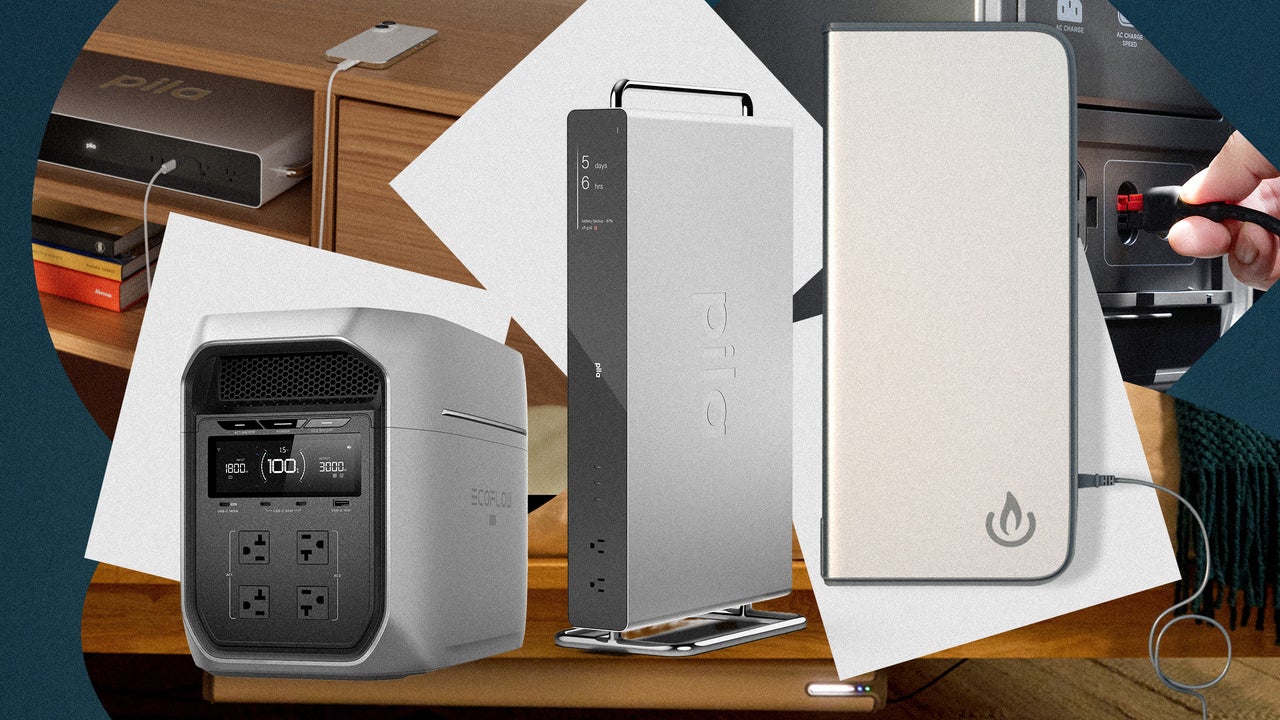
I recently tested three new portable home batteries that could help during power outages and potentially save on energy costs. Unlike traditional battery backups, these portable devices don't require professional installation and can be plugged into a wall. Their small size makes them an accessible option for renters as well.
Climate change and aging infrastructure have led to more frequent and longer-lasting power outages. Tests were performed on three new batteries: the Pila Mesh Home Battery, the Biolite Backup Core, and the EcoFlow Delta 3 Max Plus. These batteries were connected to a fridge and simulated outages to evaluate their performance.
The main goal was to see how well the batteries could keep essential appliances running and if they could save money. Time-of-use pricing for electricity in different regions can result in significant savings. By charging the battery when power rates are low and using it during peak hours, monthly bills can be reduced. Additionally, some batteries can even participate in virtual power plants (VPPs), where residents earn money by contributing to the grid during times of stress.
The Pila Mesh Home Battery, designed by a former Tesla engineer, is heavy but easy to set up and transport. It can be connected to a wall outlet and controlled via an app. When the grid is functioning normally, power flows from the wall to the battery and then to the appliance. During an outage, the battery automatically switches to power the connected devices. The user was able to simulate an outage using the app, and the battery provided estimated runtime for the connected devices.
When choosing a battery, factors to consider include its fit in the home, blackout management, and interaction with the power company's pricing plans. Each battery's performance depends on the specific application and location.
Written by urgent.news from Fast Company's reporting — not their text. Machine-written — may contain errors; check the original before relying on it.