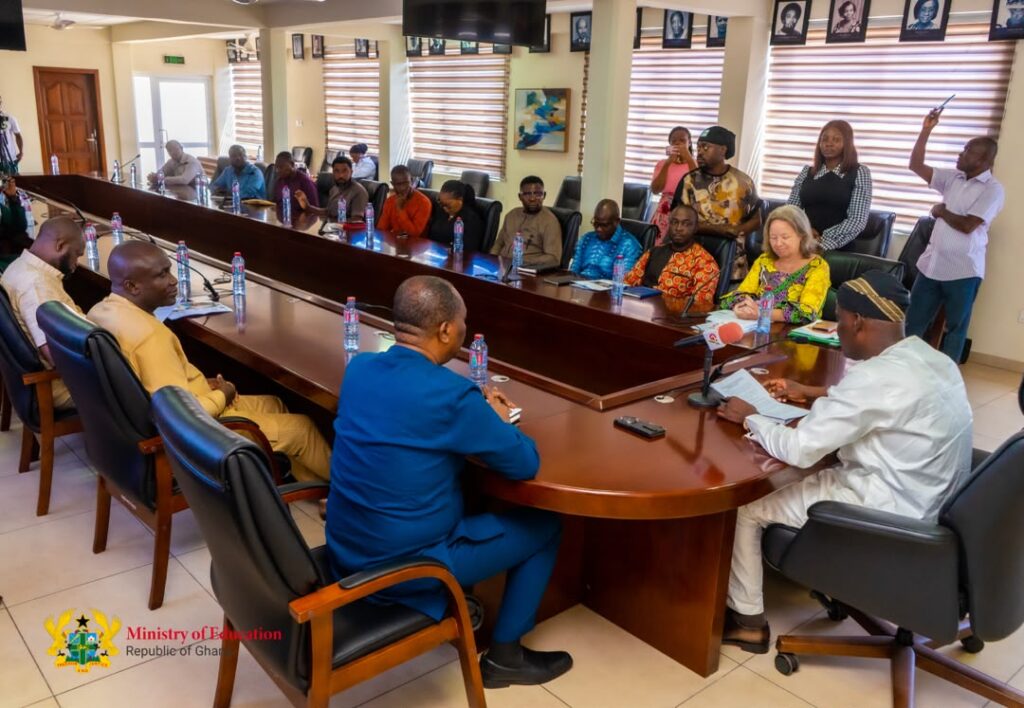
Education in emergencies: Stakeholders seek innovative solutions for children in conflict areas
Director of Associates for Change, Dr Leslie Casely-Hayford, has called for innovative and affordable approaches to ensure children in conflict and emergency situations continue to have access to education. She said children must not be deprived of their fundamental right to education because of conflict, displacement, school closures or the absence of teachers. Dr Casely-Hayford […]
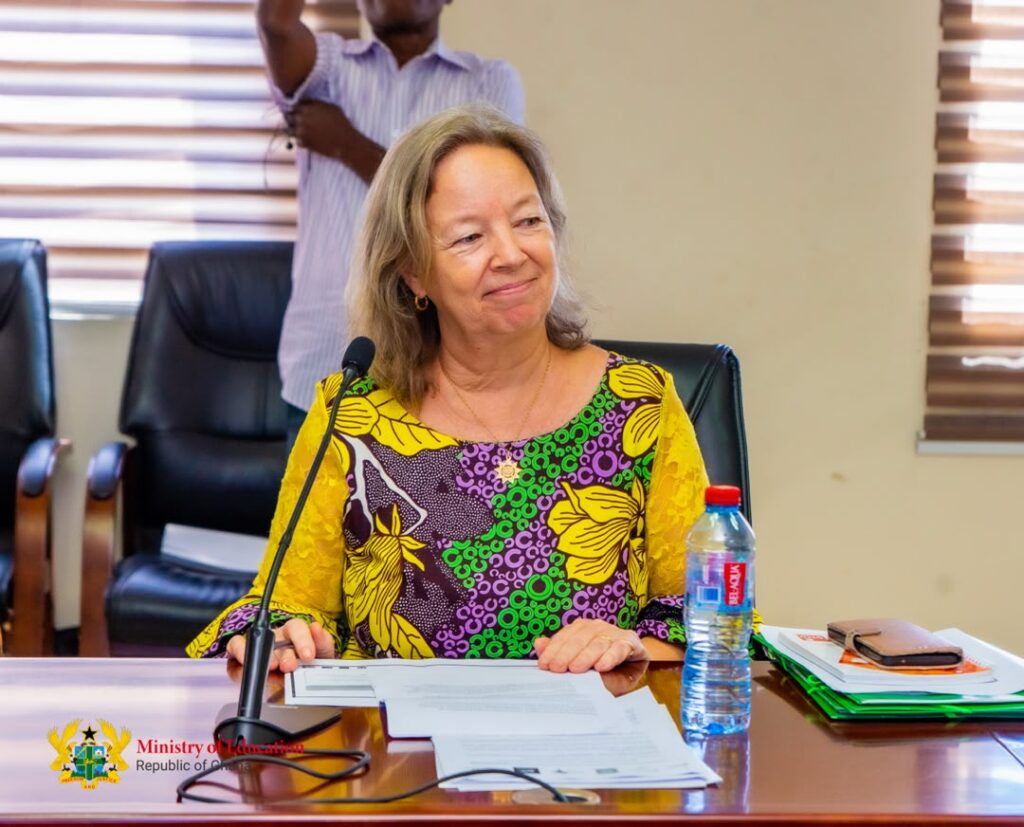
Dr Leslie Casely-Hayford, Director of Associates for Change, has emphasized the need for innovative and affordable solutions to ensure children in conflict and emergency situations have access to education. She stressed that children should not be denied their fundamental right to education due to conflict, displacement, school closures, or a lack of teachers.
Ahead of an important conference on Education in Emergencies, Dr Casely-Hayford made this call to bring together various stakeholders to discuss strategies for maintaining education continuity during crises. Dr Casely-Hayford's team at Associates for Change has been collaborating with the Global Partnership for Education and the International Development Research Centre of Canada to support research and implementation of education interventions in West Africa's fragile and conflict-affected areas, including Ghana, Nigeria, Burkina Faso, Liberia, and Sierra Leone.
The research focuses on discovering cost-effective educational innovations that governments can implement and scale, particularly in communities facing conflict and other emergencies. Dr Casely-Hayford highlighted the urgent need for innovative education approaches to help children continue learning when conventional systems are disrupted, as children often face challenges like lack of schools, fleeing teachers, and closures when conflicts occur.
Education is a fundamental right that governments and society must create opportunities for every child to access at least basic education, regardless of their circumstances. One of the innovative approaches being researched is providing psychosocial support to teachers before they deploy to fragile and conflict-affected communities, aiming to prepare them for the challenges they may face.
Another approach is complementary basic education, such as the "speed schools" model, which provides mother-tongue literacy and numeracy instruction to out-of-school children for a year before they transition to the formal education system. Dr Casely-Hayford mentioned that Ghana is already implementing this model through the Complementary Education Agency, which has reached about 20,000 children this year.
However, she stressed the need to expand this intervention as over a million children remain out of school in Ghana. Dr Casely-Hayford expressed optimism that the high-level conference would generate practical and scalable solutions to strengthen education systems and ensure that children affected by conflicts and emergencies continue to receive quality education.
Written by urgent.news from Adom Online's reporting — not their text. Machine-written — may contain errors; check the original before relying on it.