Cedi depreciation hits 9.5% as renewed FX pressure weighs on currency
The Ghana cedi’s depreciation against the US dollar has widened to 9.5% in the first nine months of 2026, marking a sharp reversal from the currency’s strong performance a year earlier. The latest Bank of Ghana data show the cedi trading at about GH¢11.55 to the US dollar in September, compared with GH¢10.45 at the […]
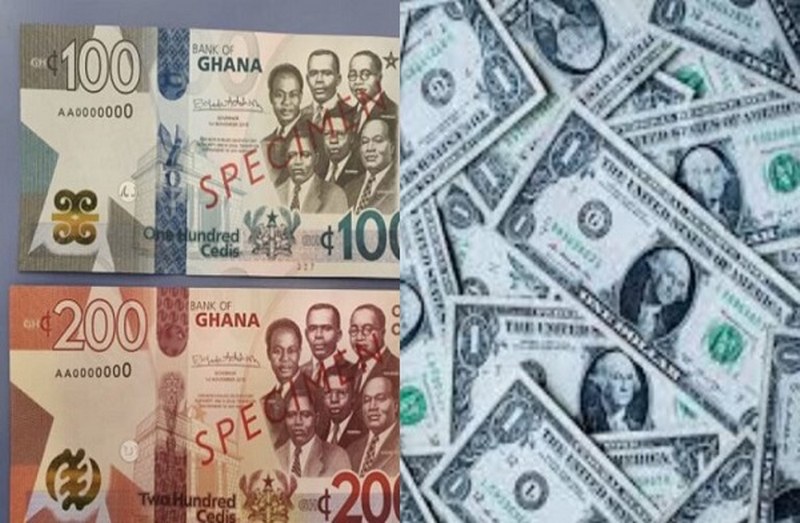
Ghana's currency, the cedi, has depreciated by 9.5% against the US dollar in the first nine months of 2026, according to the latest data from the Bank of Ghana. This marks a significant reversal from the cedi's strong performance in 2025, when it appreciated against the dollar. The cedi now trades at approximately GH¢11.55 to the US dollar, compared to GH¢10.45 at the end of 2025.
The depreciation has also affected the cedi's value against the pound and euro, with year-to-date declines of 9.0% and 7.3%, respectively. The latest decline follows a brief period of stabilization in August, when the cedi's depreciation against the dollar slowed to about 7.1%. The cedi had previously strengthened to around GH¢10.95 to the dollar in earlier August before being pressured to appreciate further.
This depreciation represents a reversal of the cedi's performance in 2025, when it recorded substantial gains against the dollar. Factors contributing to the renewed pressure on the cedi include increased foreign-exchange demand from the energy sector and dividend payments by certain private corporations. Despite Ghana benefiting from strong export earnings and improved external balances, the demand for foreign exchange has not been sufficient to prevent the cedi from weakening.
The Bank of Ghana has described the recent exchange-rate movements as part of a flexible, market-determined exchange-rate regime, with the central bank introducing a new Foreign Exchange Operations Framework in September to guide its interventions while maintaining its inflation-targeting mandate. The situation highlights a more challenging currency environment for Ghana, even as other macroeconomic indicators show signs of stabilisation.
Written by urgent.news from Adom Online's reporting — not their text. Machine-written — may contain errors; check the original before relying on it.