Archaeological ‘breakthrough’ could confirm origins of Paris
A wall dating to the Gallo-Roman period was discovered in Paris this summer and is thought to be part of the ramparts of Lutetia, the ancient name for Paris.
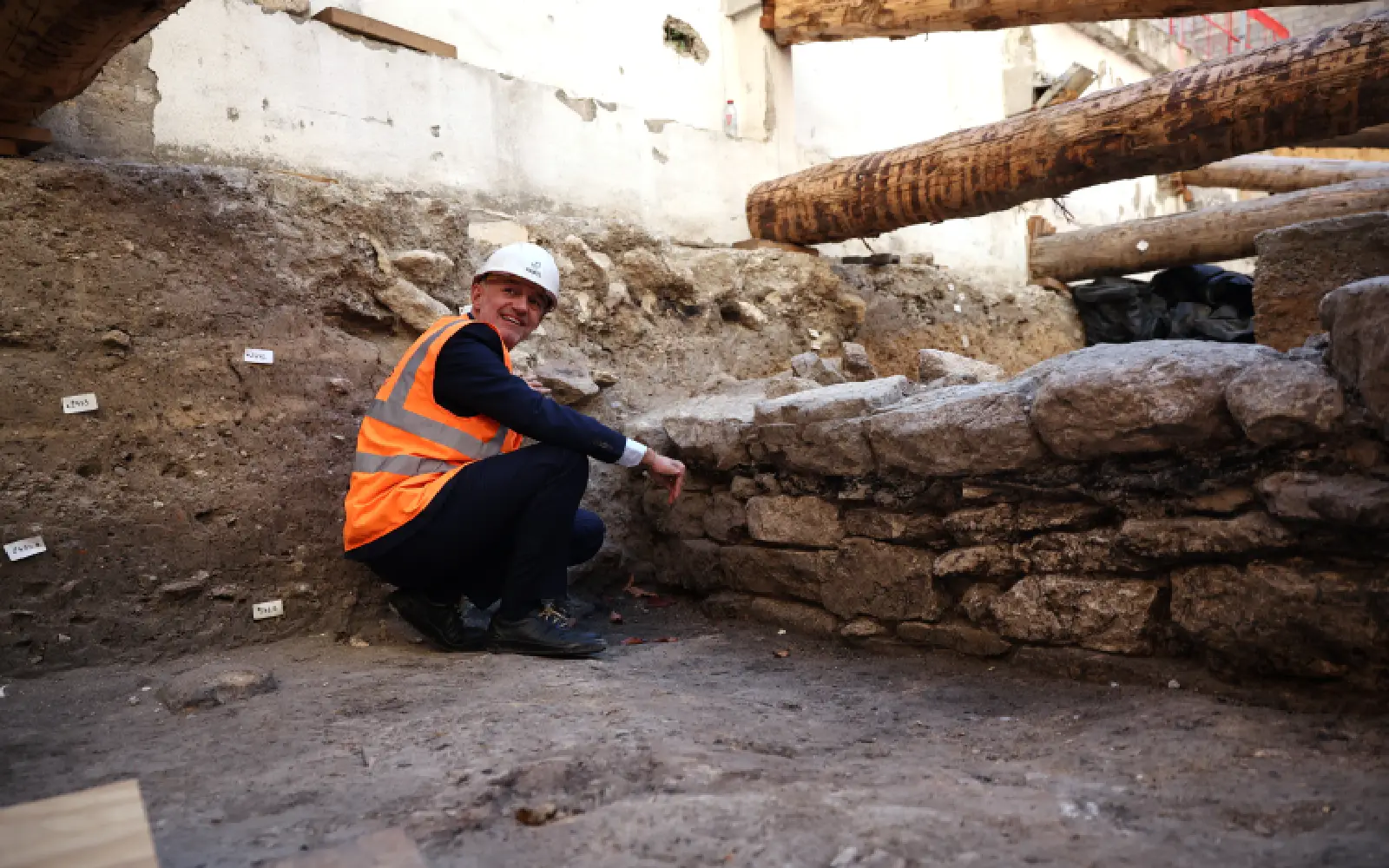
An ancient wall dating from the Gallo-Roman period has been discovered beneath the Hotel-Dieu hospital in central Paris, reigniting debate over the city's origins. The roughly 20-meter wall, found this summer, is believed to be a fragment of the ramparts of Lutetia, the ancient name for Paris, built by the Gallic Parisii tribe. While the Ile de la Cite has traditionally been considered the center of Lutetia, a rival theory suggests the city's core was actually in Nanterre, a suburb to the west.
Culture Minister Catherine Pegard described the discovery as a "major breakthrough," though further verification is needed to determine its function and chronology. The wall was uncovered during excavations and bears traces of fire, potentially correlating with Julius Caesar's account of the Gauls setting fire to their town before the Battle of Lutetia in 52 BC.
The find, estimated to date from 10-200 BC, includes the period of the Battle of Lutetia, providing crucial insight into the city's ancient history. Paris Mayor Emmanuel Gregoire expressed excitement about the potential discovery of the city's origins on the Ile de la Cite, the largest island in the Seine River and current site of Notre Dame Cathedral.
Written by urgent.news from Free Malaysia Today's reporting — not their text. Machine-written — may contain errors; check the original before relying on it.
Also reported by 2 other outlets
- Archaeological ‘breakthrough’ could confirm origins of Paris freemalaysiatoday.com
- Archaeological 'breakthrough' could confirm origins of Paris nst.com.my