Archaeological 'breakthrough' could confirm origins of Paris
PARIS: An ancient wall discovered in central Paris was hailed as a “major breakthrough” on Wednesday, as the archaeological find may have settled a long-standing debate about the location of the city’s original settlement.
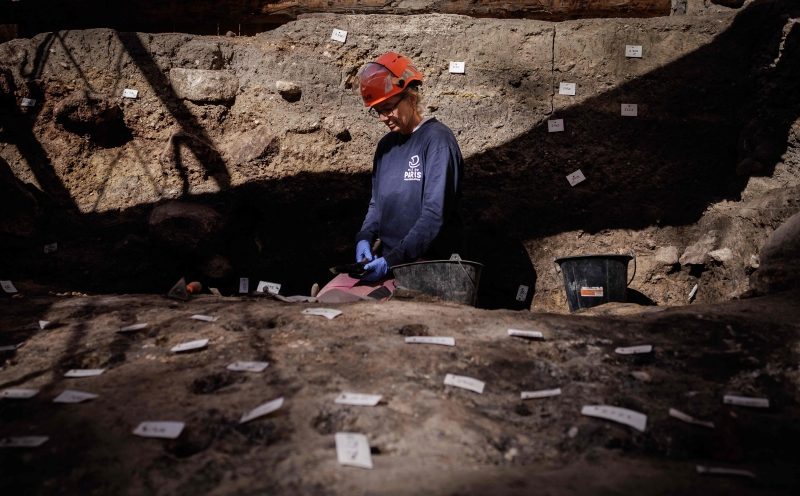
Parisian archaeologists made a significant discovery on Wednesday, unearthing a 20-meter wall dating from the Gallo-Roman period. The fragment, believed to be part of the Lutetia ramparts, was found beneath a Paris hospital on the Ile de la Cite, close to Notre Dame Cathedral. This find may settle a long-standing debate about the location of Paris' original settlement.
The Gallic Parisii tribe, who inhabited the area during the Iron Age, constructed the wall. The Ile de la Cite has traditionally been considered the heart of Lutetia, but recent research suggests it could have been in Nanterre. Culture Minister Catherine Pegard hailed the discovery as a "major breakthrough." The wall also shows signs of fire, potentially matching Caesar's account of the Gauls setting their town ablaze before the Battle of Lutetia in 52 BC.
Carbon-dating places the wall's construction between 10-200 BC, aligning with the Battle of Lutetia. Paris Mayor Emmanuel Gregoire expressed excitement about the revelation of Paris' origins.
Written by urgent.news from New Straits Times's reporting — not their text. Machine-written — may contain errors; check the original before relying on it.
This story
This is one outlet's version. Read the fullest account.
- Archaeological 'breakthrough' could confirm origins of Paris phys.org
- Archaeological ‘breakthrough’ could confirm origins of Paris freemalaysiatoday.com