Apple's spatial computing strategy was on full display at Meta Connect
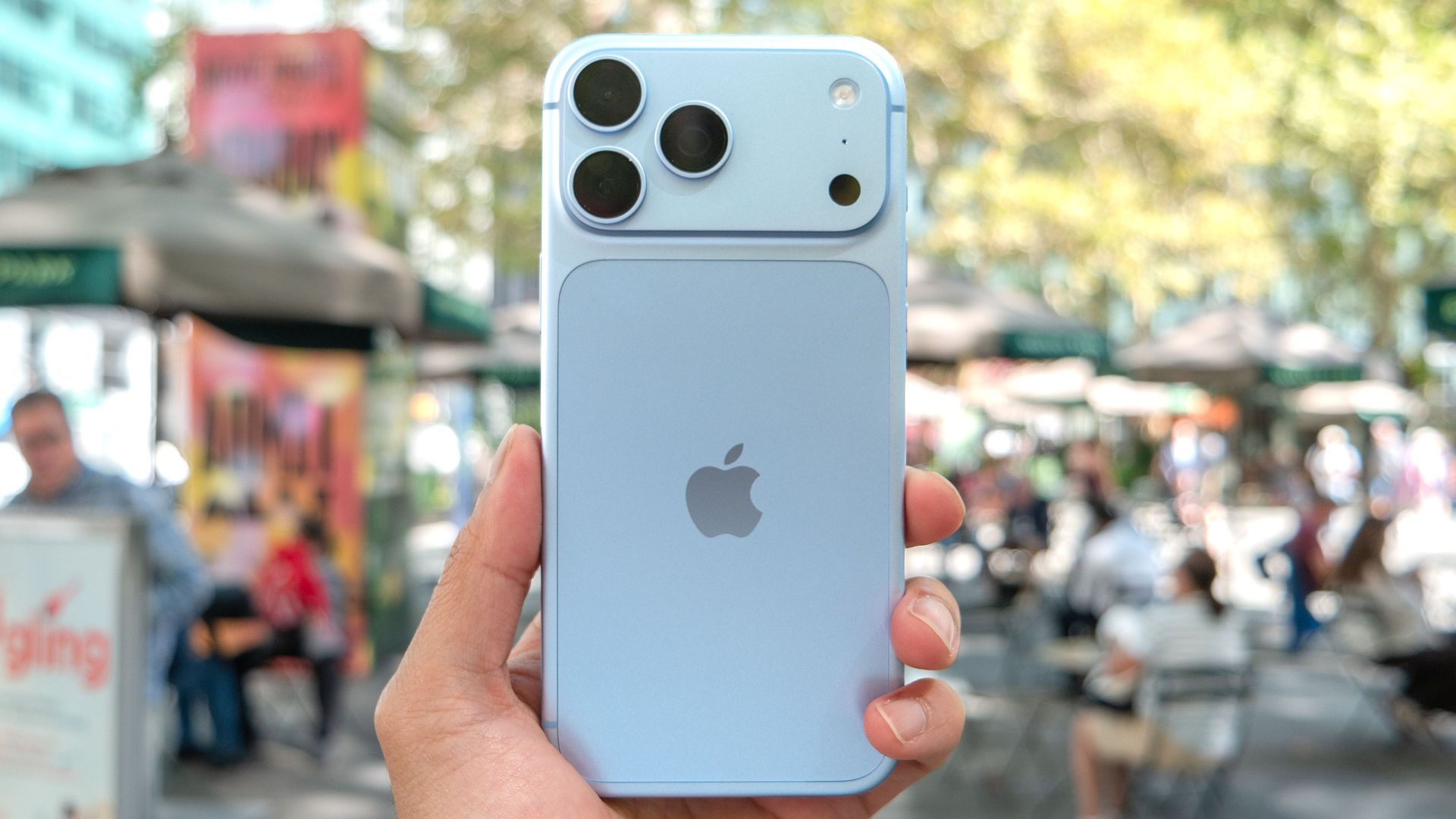
Meta VR Glasses are a new spatial computing device that weighs a sixth of the Apple Vision Pro with a third of the cost, half of the specs, and none of the immersion. Meta's new glasses have Alan Dye all over them. Image source: Meta Take the front glass from the Apple Vision Pro, slap it on some thick glasses arms, remove the light seal, compute, and surrounding hardware, and you'll end up with…

At Meta Connect 2026, Meta CEO Mark Zuckerberg unveiled the company's next-generation smart glasses as part of his vision for Personal Superintelligence powered by the Muse AI agent. The company announced three new glasses - Meta Ray-Ban Gen 3, Meta VR Glasses, and Meta Audio Glasses - and gave an update on the Meta Ray-Ban Display glasses from last year.
Despite privacy concerns surrounding smart glasses, Zuckerberg framed them as the future of personal computing. He cited that 2 billion people already wear glasses, and believes they will outperform other AI wearables. Zuckerberg stressed that glasses will enable Muse to see, hear, speak, and display information directly in the user's vision.
Alongside the new glasses, Zuckerberg unveiled various styles and a collaboration with Blackpink's Lisa. Over 100 styles will soon be available to customers. The Ray-Ban Meta Gen 3 features six microphones for improved voice capture and reduced wind noise, new Dolby Atmos and spatial audio, and adjustable temple tips. The glasses start at $249 for the entry-level Adventurer style, with other designs ranging from $249 to $449.
The Meta VR Glasses, set to release in spring 2027 for $1,299, are significantly lighter than other VR headsets, weighing only 100 grams. They offer high-quality display, spatial audio, Dolby Atmos, IMAX Enhanced cinema mode, and support for the full Meta Quest VR game library and Xbox Cloud Gaming titles. The Meta Audio Glasses, priced at $249, are an audio-focused version of the Ray-Ban styles.
They are the company's thinnest smart glasses and feature a more compact design, making them ideal for on-the-go use. They also integrate with the Muse AI assistant. Additionally, Meta announced an upgraded Hearing Enhancement feature that will turn their smart glasses into FDA-approved devices for mild to moderate hearing loss.
Written by urgent.news from Mashable's reporting — not their text. Machine-written — may contain errors; check the original before relying on it.
This story
This is one outlet's version. Read the fullest account.