iOS 27 didn't add this anti-snatching feature to iPhone, but that doesn't mean it's been cancelled — here's why it's important
Apple seems to be still working on its own version of Android's anti-snatching feature, and the sooner it launches on iOS, the better.
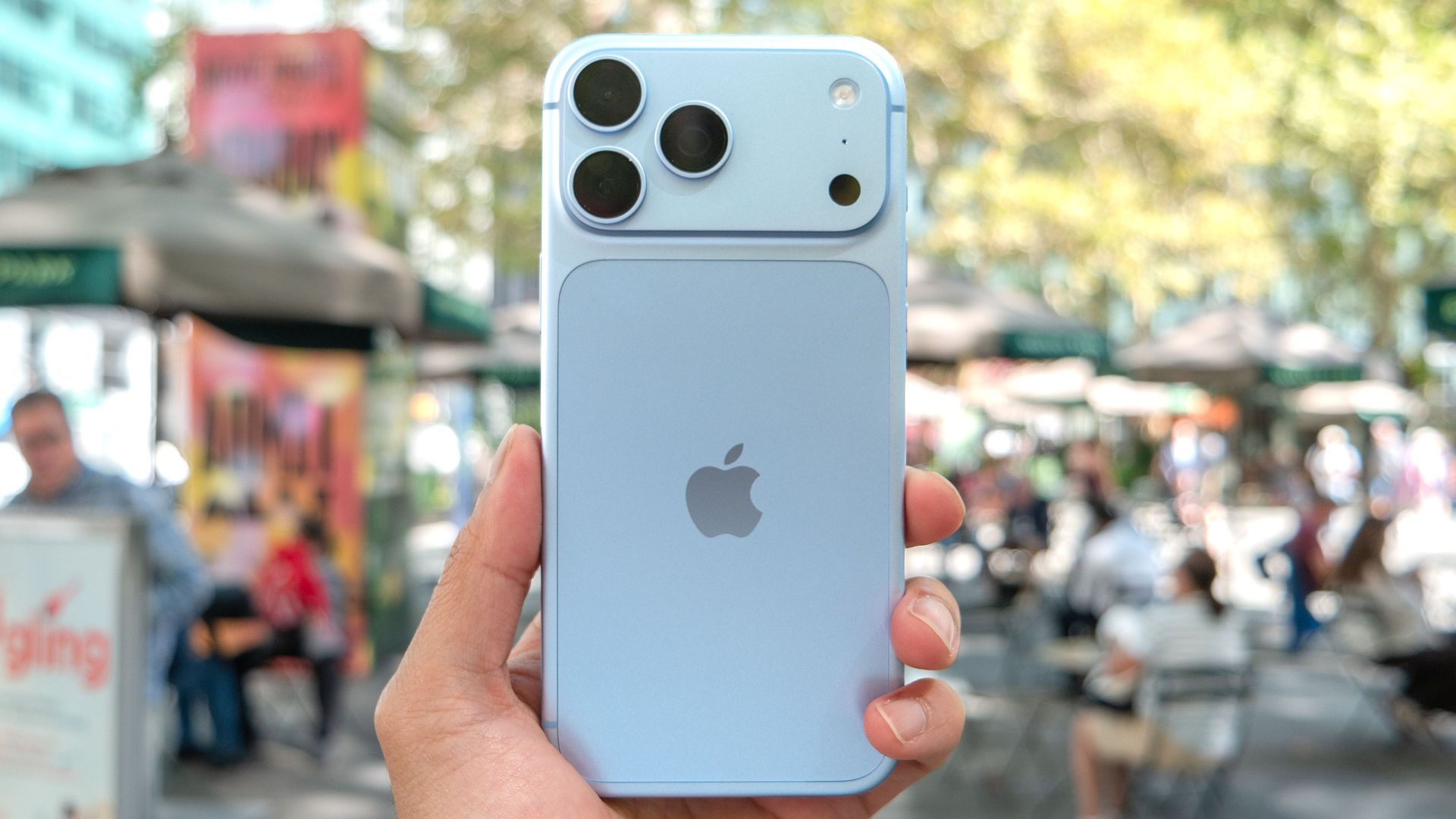
In March, rumors circulated that Apple may introduce an anti-theft feature for iPhones, allowing iOS to lock down the device if stolen. However, this feature did not launch with iOS 27. Code found in the iOS 27.2 beta indicates that Apple might still be working on this feature, along with potential triggers for activation. Google already implemented a similar feature called Theft Detection Lock last year.
Apple's version, internally known as AutoLock, would rely on five key signals to determine if a phone has been stolen. These signals include sudden acceleration, loss of connectivity with a paired Apple Watch, being disconnected from the network, excessive unlocking, and being unlocked for too long. The feature would also have safeguards to prevent false positives, such as location-based systems to avoid triggering in familiar areas and a veto system to override AutoLock requests.
The feature is still in development, and its final form may differ from the current code. Having an anti-snatching feature is crucial in a world where smartphones hold vast amounts of personal data and are often targets for theft. Even with Stolen Device Protection, AutoLock could provide an additional layer of security, giving users more time to recover their device and reducing its value to potential thieves.
Written by urgent.news from Tom's Guide's reporting — not their text. Machine-written — may contain errors; check the original before relying on it.