Advocate seeks to file contempt plea in Supreme Court against CEC
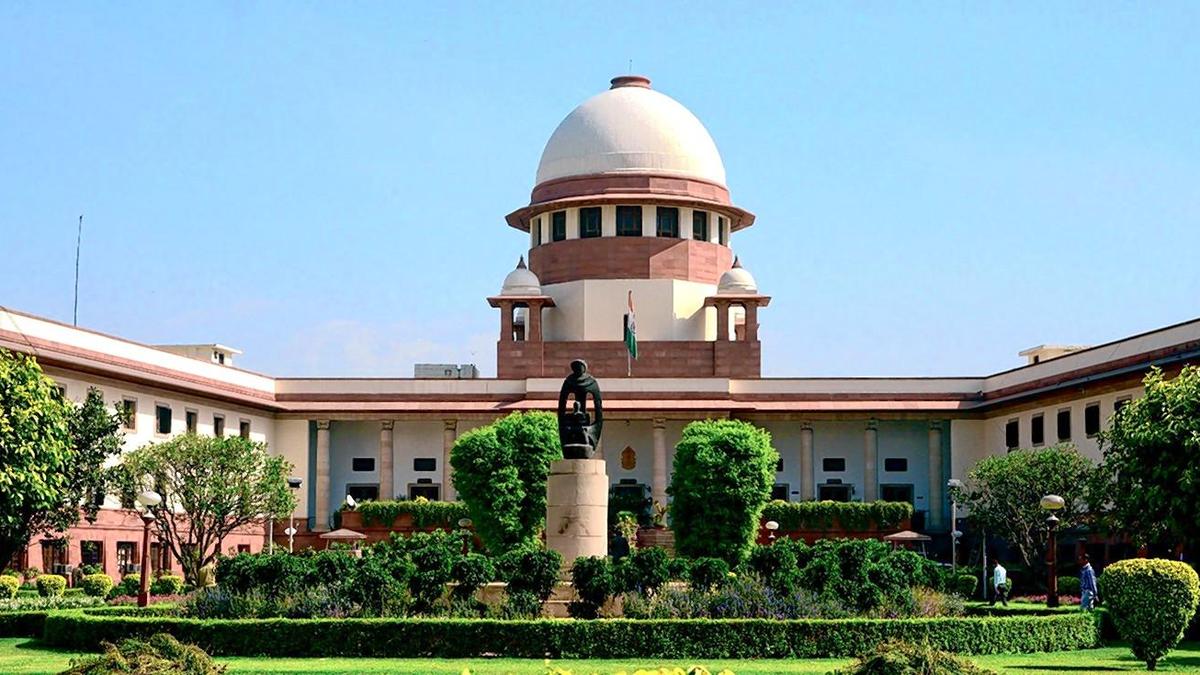
On September 24, 2026, a Supreme Court advocate approached the court to seek permission from the Attorney General of India to file a criminal contempt lawsuit against Chief Election Commissioner Gyanesh Kumar. This request came following a media report alleging a "complete breakdown of multi-member consensus within the Election Commission of India (EC)". The complainant, Brajesh Singh, pointed to The Indian Express article, which claimed "deep structural subversions" within the EC.
Singh stated that Election Commissioners Sukhbir Singh Sandhu and Vivek Joshi had made formal written objections at least 14 times over the past ten months. These objections pertained to various policy actions, including significant changes to voter registration software, alterations to Form 6, and the deletion or restoration of voter names under the Special Intensive Revision process.
Singh argued that these actions were "unauthorized, illegal" and carried out without the Commissioners' knowledge or approval of the complete Commission.
The advocate further contended that these alleged acts of Kumar violated established Supreme Court precedents, notably T.N. Seshan vs. Union of India and Anoop Baranwal vs. Union of India. These precedents stipulate that the Election Commission must operate through institutional consensus. Singh emphasized that the CEC, while being primus inter pares or "first among equals", does not possess absolute authority.
He alleged that Kumar's actions involved bypassing fellow Commissioners to issue public directives under the guise of "full Commission" decisions. This, according to Singh, constituted willful defiance of the Supreme Court's legal mandates under Article 141.
The advocate argued that by transforming the EC from a constitutionally mandated multi-member independent body into a one-man autocracy, CEC has not only scandalized the institution but also lowered its authority. This dual action directly undermines the doctrine of free and fair elections, posing a serious threat to the democratic process. However, filing such a contempt petition requires the prior consent of the Attorney General of India, a Constitutional authority.
Written by urgent.news from The Hindu's reporting — not their text. Machine-written — may contain errors; check the original before relying on it.
This story
This is one outlet's version. Read the fullest account.
- Trump administration asks Supreme Court to detain Badar Khan Suri again middleeasteye.net
- Supreme Court objects to Patna HC judgement on removing salwar, pressing chest not amounting to rape hindustantimes.com
- Banco Master Inquiry: Brazil’s Supreme Court Declines to Order the Senate to Open It, in a Provisional Ruling of 22 September 2026 riotimesonline.com
- Mamata Banerjee TMC Symbol Case LIVE: Supreme Court to hear plea against ECI freeze indianexpress.com