The Andromeda Galaxy: All you need to know
The Andromeda Galaxy is the closest large galaxy to our Milky Way. At 2.5 million light-years, it's the most distant thing you can see with the eye alone. The post The Andromeda Galaxy: All you need to know first appeared on EarthSky .
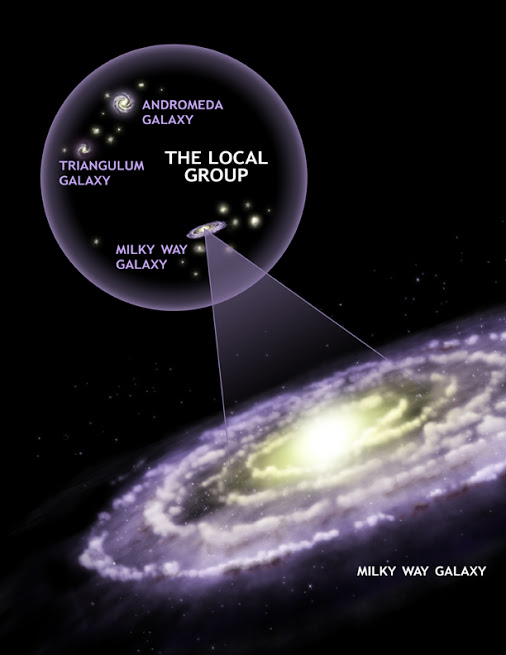
The Andromeda Galaxy, also known as Messier 31 (M31), is the closest large spiral galaxy to our own Milky Way galaxy. It is visible to the naked eye on clear, dark nights and is approximately twice the size of the Milky Way, containing about one trillion stars. Even excluding the Magellanic Clouds, which are visible from the Southern Hemisphere, the Andromeda Galaxy remains the brightest external galaxy visible in our night sky.
At a distance of 2.5 million light-years, it is the most distant object humans can comfortably see with the unaided eye. Although the Triangulum Galaxy is slightly more distant at 2.7 million light-years, it is oriented face-on to us, resulting in a lower surface brightness and making it harder to spot compared to Andromeda.
The Andromeda Galaxy is named after the constellation Andromeda, which is also the home to the bright star Alpheratz. This star joins Pegasus to the Andromeda constellation. The galaxy can be located using two main methods: the Great Square of Pegasus and the constellation Cassiopeia. The Great Square is a prominent asterism, often resembling a baseball diamond in the eastern sky during autumn.
By drawing imaginary lines from the corners of the square, astronomers can locate Andromeda as a smudge of light on each streamer of stars. Alternatively, Cassiopeia, a distinct W-shaped constellation visible in the northern sky, can be used to find Andromeda. Look for the star Schedar within Cassiopeia, which points directly towards the Andromeda Galaxy.
Written by urgent.news from EarthSky's reporting — not their text. Machine-written — may contain errors; check the original before relying on it.