New Galápagos Atlas charts the islands’ biodiversity and the mysteries that remain
A new atlas of biodiversity of the Galápagos Islands highlights the unique evolutionary and ecological diversity of life in the famed archipelago that helped Charles Darwin develop the theory of natural selection. The Galapagos Atlas, created by the Darwin Foundation, highlights 68 species and species groups in the island chain. These include the celebrities of […]
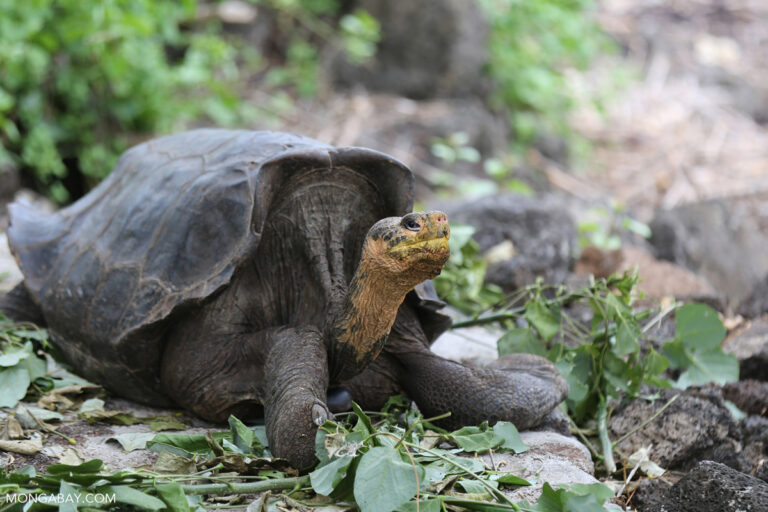
A new atlas focusing on the biodiversity of the Galápagos Islands has been released, shedding light on the unique evolutionary and ecological diversity found in this renowned archipelago, which played a crucial role in Charles Darwin's development of the theory of natural selection. The Galapagos Atlas, produced by the Darwin Foundation, features 68 species and species groups within the island chain, including well-known inhabitants such as giant tortoises, marine iguanas, and Darwin finches.
In addition to these celebrated species, the atlas also highlights lesser-known plants and animals, such as the Galápagos kelp, lichens, and Galápagos carpenter bees. Developed by a team of 87 authors and artists, including scientists, park rangers, and conservationists, the atlas is freely accessible to the public.
Each species profile within the atlas provides an overview of what is currently known about the organism, as well as highlighting the many mysteries that remain surrounding their ecology, behavior, and conservation needs. According to Rakan Zahawi, executive director of the Darwin Foundation, "There is still so much we don’t fully understand about Galapagos flora and fauna, and that's part of what makes it so fascinating."
Zahawi sees the atlas as an excellent starting point for those interested in unraveling some of the scientific puzzles of life in the islands.
He advises young enthusiasts to follow the citations and references provided for each species entry, allowing them to delve deeper into the research behind the entries, discover who has been studying the species, and what findings have emerged. By doing so, Zahawi believes, these curious minds will be further drawn into the intriguing world of the Galápagos Islands' biodiversity.
Written by urgent.news from Mongabay's reporting — not their text. Machine-written — may contain errors; check the original before relying on it.