'Super' El Nino could cause 451,000 excess deaths, researchers say
SINGAPORE: Extreme heat caused by this year’s “super-El Nino” could result in as many as 451,000 excess deaths across the globe in the six months through February 2027, researchers with the University of Chicago’s Climate Impact Lab said on Wednesday.
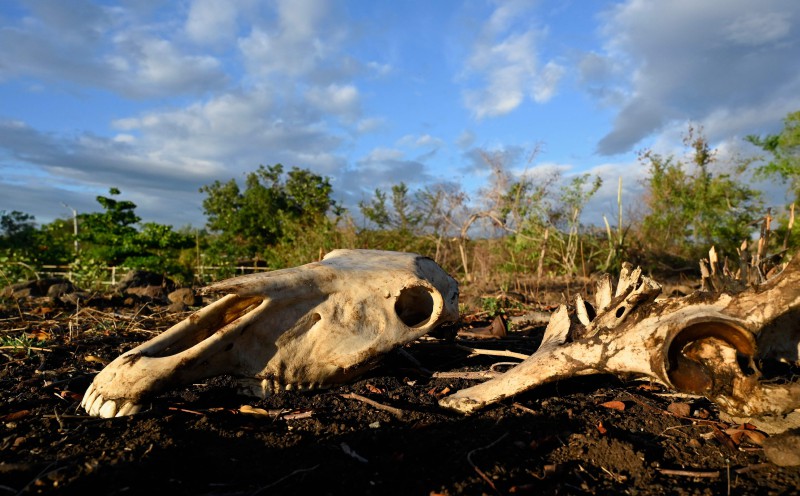
Extreme heat from this year's super-El Nino event could cause up to 451,000 additional deaths worldwide by February 2027, according to researchers from the University of Chicago's Climate Impact Lab. The study predicts a 44% increase in extremely hot days compared to average years. Nigeria is expected to suffer the most heat-related fatalities, with an estimated 31,400 excess deaths, followed by Indonesia (19,300) and Sudan (17,600).
The heat in Africa's Sahel region, including Niger, Chad, Nigeria, and Sudan, could lead to an additional 66,800 deaths during the six-month period. The Philippines, Vietnam, Thailand, and Cambodia are projected to experience around 19,400 excess deaths combined. If the El Nino event persists into 2027, the number of excess deaths could potentially rise even further.
Particularly vulnerable areas in the northern hemisphere, such as India and Pakistan, may face heightened risks during their summer months. Climate Impact Lab described this year's El Nino as a "postcard from the future," highlighting the temperatures that will become normal in just a few decades. The report emphasizes the need for emergency response efforts to be directed towards high-priority regions to mitigate heat-related mortality in the coming months.
Michael Greenstone, an economist at the University of Chicago and co-founder of the lab, stated that this report enables decision-makers to identify specific areas where emergency actions can be taken to prevent tens of thousands of lives from being lost in the upcoming months.
Written by urgent.news from New Straits Times's reporting — not their text. Machine-written — may contain errors; check the original before relying on it.

