Microplastics detected in soil near Periyar riverbank in Edayar industrial area in Keralam
Tests carried out at School of Environmental Studies, Mahatma Gandhi University, found that the samples contained up to 2,520 microplastic particles per kg
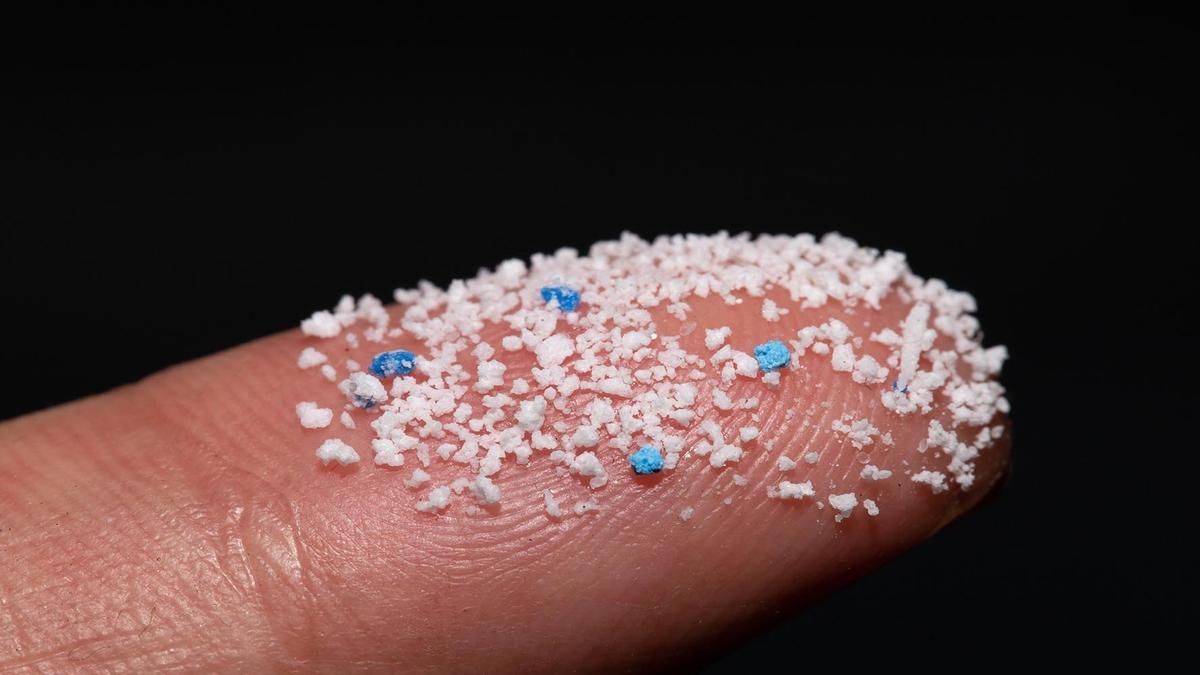
Microplastic particles have been discovered in soil near the Periyar River in Edayar industrial area, Kerala, according to tests conducted by the School of Environmental Studies, Mahatma Gandhi University in July 2026. The discovery comes after the Kerala State Pollution Control Board tested soil samples from the former Sreesakthi Paper Mills site, which was directed by the National Green Tribunal.
The tests found up to 2,520 microplastic particles per kilogram in the soil, with the highest concentration detected four metres from the riverbank. The microplastics found were primarily fibres, films, and foams. The Kerala State Pollution Control Board has issued a directive to the management to submit a plan to prevent the intrusion and migration of plastic waste from the site into the river.
The former industrial unit, which closed in 2016, used to discharge untreated effluents into the river and had plastic waste and incinerator ash dumped on its 8.75-acre site. The responsibility of remediation now lies with the new company operating the site, which has agreed to comply with the directives.
Written by urgent.news from The Hindu's reporting — not their text. Machine-written — may contain errors; check the original before relying on it.