NST Leader: How concert ticketing has evolved
IN 1982, Deep Purple frontman Ian Gillan held a solo concert at Stadium Negara, becoming the first major foreign act to do so. Back then, ticket prices ranged from a princely RM10 to RM25 — roughly RM28.53 to RM71.34 today, adjusted for inflation, While dirt cheap for a major act by modern standards, it was still a significant expense for the youth of that era.
In 1982, Deep Purple's Ian Gillan performed a solo concert at Stadium Negara, the first major foreign act to do so. Ticket prices ranged from RM10 to RM25, which, while expensive by today's standards, was still a considerable amount for youth at the time. Blues Gang served as Gillan's opening act, performing in front of 15,000 attendees for RM3 per ticket. The first ticketed solo rock stadium concert occurred in 1988, with Ella backed by The Boys at Stadium Negara, paving the way for female solo acts and local rock bands.
The concert experience evolved further in 1989 when Search raised the bar with their Konsert Mega tour, promoting their landmark album Fenomena and showcasing that local acts could compete with international artists. The concert experience shifted once more in 1996 when Michael Jackson's HIStory World Tour at Stadium Merdeka introduced commercial ticketing agencies that sold tickets through authorized outlets, such as the now-defunct record stores.
Premium ticket prices soared to RM350, a stark contrast to the present-day premium tiers that run into thousands of ringgit.
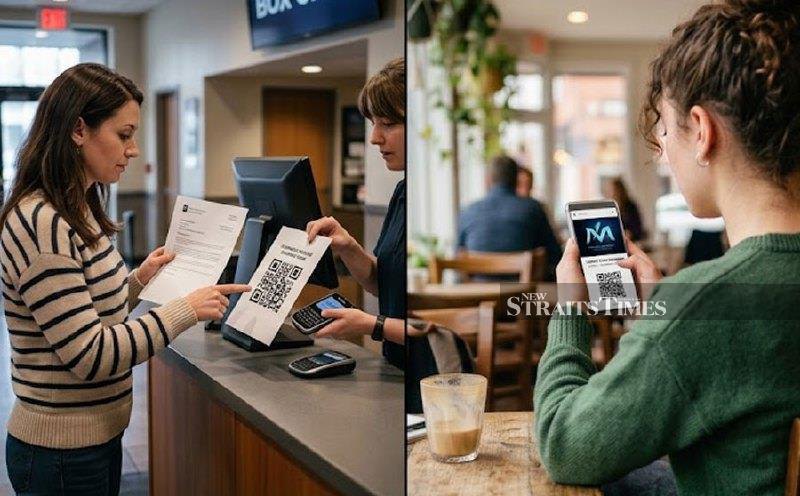
As the millennium turned, the Internet began to revolutionize ticket purchasing. Online ticketing platforms enabled fans to check seat availability and complete payments instantly using credit or debit cards. PDF tickets sent via email eventually supplanted paper stubs, but modern live entertainment has shifted towards dynamic e-ticketing platforms.
Today, the most sought-after shows sell out within minutes at exorbitantly high prices, driven by virtual queues and digital scalping. Traditional scalpers have been replaced by scalper bots and syndicates operating in messaging apps.
Public outrage over ticket scalping has led the government to consider anti-scalping legislation, while efforts have been made to reduce entertainment taxes and regulatory deposits to attract major event promoters. Despite Malaysia's ambition in hosting world-class concerts, scalpers and scammers continue to exploit fans' vulnerabilities.
The challenge lies in differentiating predatory scalping from legitimate resellers. An effective anti-scalping law must address bulk buying, bot-assisted purchases, fraudulent ticket listings, misleading advertisements, ticket authentication, and platform reliability.
Organizers and ticketing companies must implement buying limits, identity-linked tickets, secure transfers, and better mechanisms for cancelling fraudulent listings. Meanwhile, fans must learn to navigate the sophisticated secondary market to ensure that tickets for popular acts do not continue lining the pockets of scalpers.
Written by urgent.news from New Straits Times's reporting — not their text. Machine-written — may contain errors; check the original before relying on it.