In Europe and elsewhere, populists are winning. But can they govern?
The 2020s are the decade of democratic disruption or perhaps even democratic dysfunction . The evidence is clear and may become more obvious next year because so many democracies have significant elections coming up. Traditional parties of government are in trouble. Outsiders are in. New parties on the political left and right are chipping away at traditional parties. The common thread is voters…
In the 2020s, democratic disruption appears to be the norm, with significant elections in many democracies shaping the political landscape. Traditional parties are struggling to maintain their relevance, while new parties on the political left and right are gaining traction. Voters are seeking alternatives to "politics as usual," and this trend has been most evident in recent German elections.
The far-right AfD party emerged as a strong contender in Mecklenburg-Vorpommern and Saxony-Anhalt, while the hard-left Die Linke led polls in Berlin. These outcomes have been described as a "disaster" by German Chancellor Friedrich Merz.
Europe's political disruption may extend further with the upcoming French presidential election in April. Marine Le Pen from the National Rally is seen as a potential favorite to become the next president, with many French commentators concerned about the impact of radical left candidate Jean-Luc Melenchon, who has proposed solutions like cancelling the national debt.
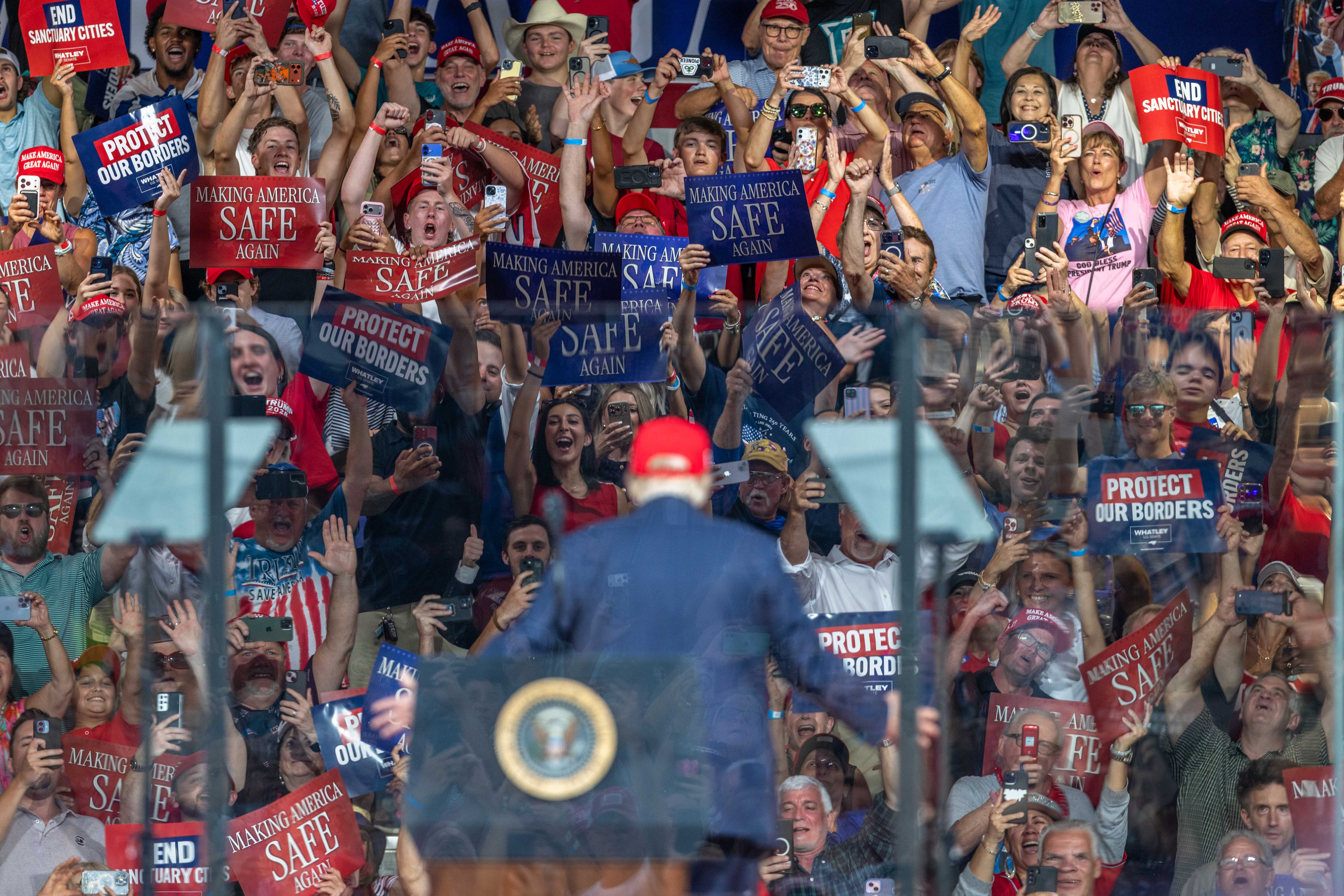
In Britain, populists are also disrupting the political scene, with seven prime ministers in 10 years and significant donations to Nigel Farage's Reform UK party. The focus is now on the US President, Donald Trump, and the upcoming midterm elections in November. Trump has attached himself to the election outcome, claiming that his presence on the ballot helps Republicans while damaging their chances if he is absent.
The real question is whether American populism has peaked and become politically toxic with ordinary voters. If Republicans perform well, Trump can claim responsibility for their success, but if they do poorly, Democrats will likely blame Trump's influence on their failure. Ultimately, November's results will be closely watched in Europe and elsewhere, as European mainstream parties assess whether Trump's influence has damaged the Republican Party.
With Trump's strong position in power, it is challenging to determine who to blame for unpopular policies, such as the war with Iran, rising petrol prices, and the cost of living. While populists excel at exploiting problems to gain popularity, translating this into governing effectively remains a difficult task for democracies worldwide.
Written by urgent.news from The National Business's reporting — not their text. Machine-written — may contain errors; check the original before relying on it.
Also reported by 1 other outlet
- In Europe and elsewhere, populists are winning. But can they govern? thenationalnews.com