In Europe and elsewhere, populists are winning. But can they govern?
The 2020s are the decade of democratic disruption or perhaps even democratic dysfunction . The evidence is clear and may become more obvious next year because so many democracies have significant elections coming up. Traditional parties of government are in trouble. Outsiders are in. New parties on the political left and right are chipping away at traditional parties. The common thread is voters…
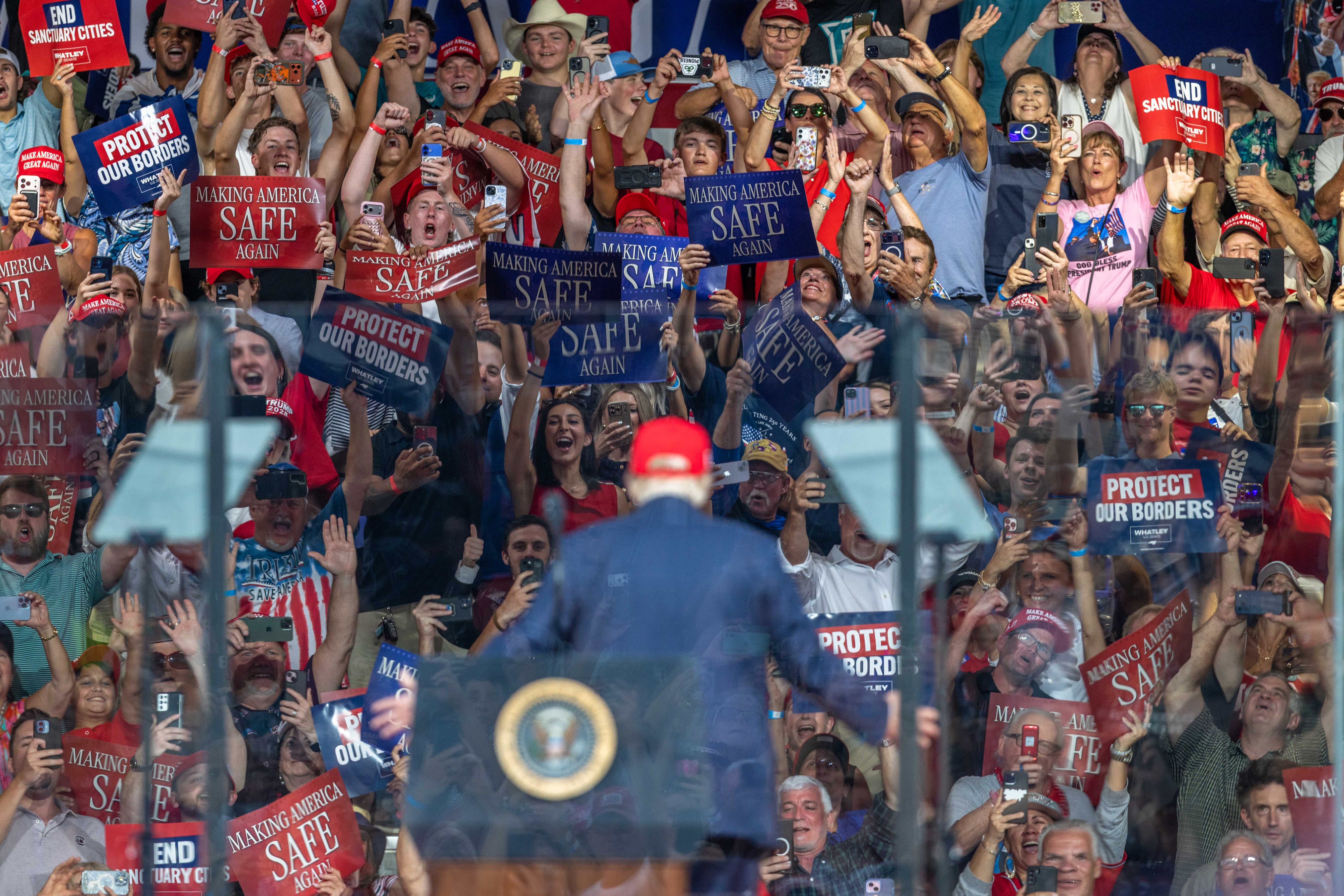
In the 2020s, democratic disruption and dysfunction have become prevalent across Europe and beyond. As numerous democracies prepare for significant elections, traditional parties face challenges, while outsiders gain traction. The rise of new parties on the political left and right has eroded the influence of centrist or moderate parties, with populists benefiting from voters seeking alternatives to the status quo.
The recent German elections saw the far-right AfD and the hard-left Die Linke gain strength, with both parties performing well in their respective regions. Observers from Germany's Chancellor Friedrich Merz have described these outcomes as a "disaster."
Europe's political turmoil might extend further, with the French presidential election in April potentially seeing Marine Le Pen from the National Rally as the frontrunner. Her platform involves addressing various issues, including canceling the national debt. However, the realism of her proposals is questionable, with some suggesting that it is unrealistic yet popular.
In the United Kingdom, various populists and disrupters vie for power, having experienced frequent changes in leadership over the past decade. The financial support for Nigel Farage's Reform UK party raises concerns about its impact on British democracy and Farage's personal situation. Meanwhile, the United States is currently grappling with the consequences of Donald Trump's presidency.
The upcoming midterm elections in November are considered a crucial test of support for the Republican party and its policies. Trump's presence on the ballot is expected to influence voter turnout and the outcome of the elections, as he often claims credit for Republican successes and blames Democrats for their failures.
Trump's unpopularity, marked by a dismal minus 25 percent approval rating, has led to criticism over various issues, including the war in Iran, rising petrol prices, and the cost of living. Despite his attempts to raise interest rates and push for voting restrictions, Trump's actions have been thwarted by the judiciary, further fueling his unpopularity. With the Federal Reserve chairman chosen against his objections, Trump's influence on domestic policies appears limited.
As European mainstream parties observe the impact of Trump's MAGA movement on the Republican Party, it remains to be seen whether his influence has peaked and become politically toxic. Voters worldwide desire results rather than mere complaints, and the consequences of populist leaders' actions will be closely watched by democracies globally.
Written by urgent.news from The National UAE's reporting — not their text. Machine-written — may contain errors; check the original before relying on it.
This story
This is one outlet's version. Read the fullest account.
- In Europe and elsewhere, populists are winning. But can they govern? thenationalnews.com