Il World Tourism Event celebra i siti Unesco come strumento di dialogo e conoscenza reciproca
Era il 1979, quasi 50 anni fa, quando in Italia fu riconosciuto dall’Unesco il primo sito patrimonio mondiale dell’umanità, l’arte rupestre della Valcamonica, che precedette di un anno il riconoscimento...
In 1979, Italy was the first country to recognize a World Heritage site by UNESCO, the rock art of Val Camonica, which preceded Rome's historical center and Leonardo da Vinci's "The Last Supper" by a year. Out of 62 UNESCO sites in Italy and 1,273 worldwide, located in 173 countries, Italy holds the largest number. In July of the previous year, Italy received its latest recognition for "the system of joint tenancy theaters in central Italy from the 18th to the 19th century," featuring ten theaters in Emilia Romagna, Marche, and Umbria as examples of "joint tenancy" architecture that transitioned from exclusive entertainment venues to public cultural institutions serving the community.
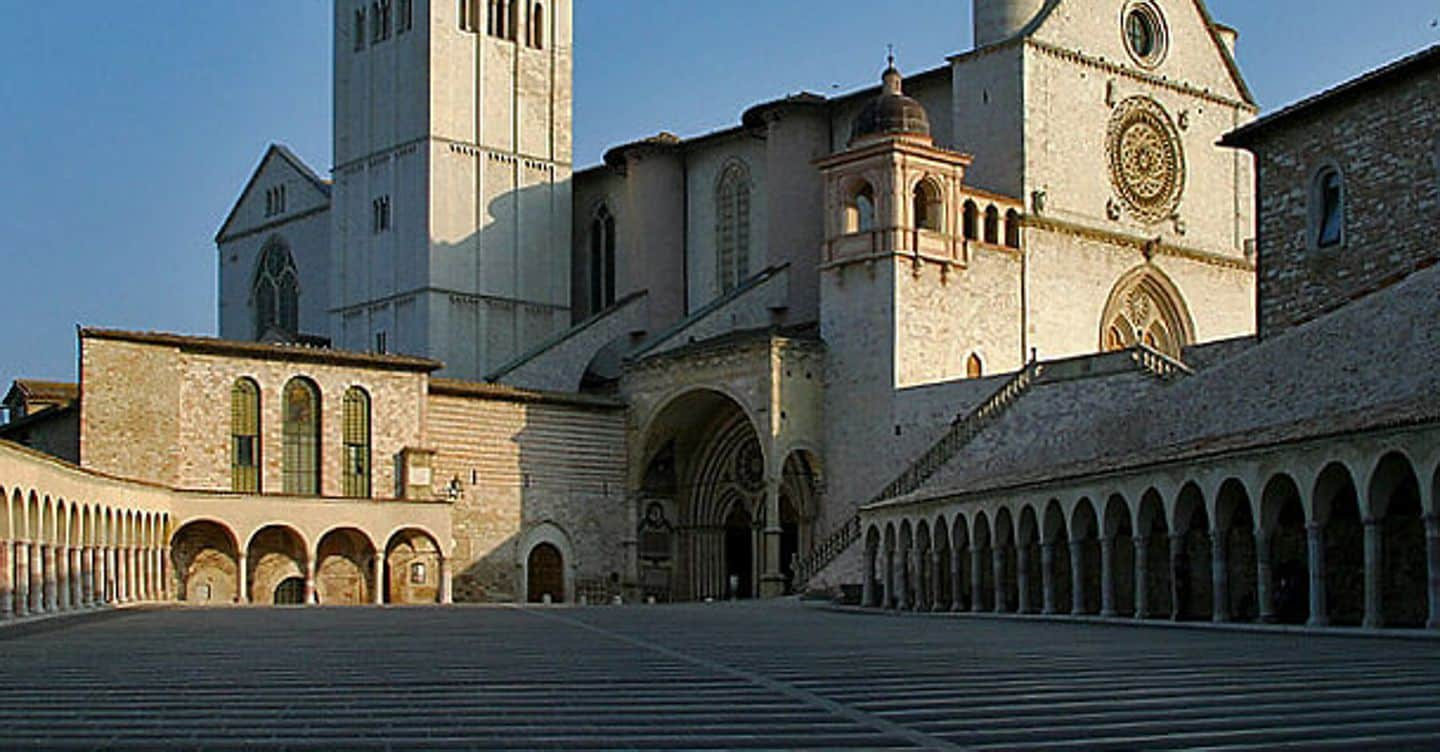
The World Tourism Event (WTE), an international tourism fair dedicated to UNESCO sites, returns to Assisi for its 17th edition this year to mark 800 years since the death (Transitus) of St. Francis, held on September 24 and 25 at the historic Palazzo del Monte Frumentario. The event aims to intertwine St. Francis' values of peace, cultural exchange, nature preservation, and sustainability through tourism related to World Heritage sites.
"We intend to revive a vision of tourism as a tool for dialogue and mutual knowledge, as well as a concrete lever for the conservation and enhancement of territories," states the organizing committee. The event brings together UNESCO destinations, international buyers, and the public, with markets represented from France, Spain, the United Kingdom, Germany, the Netherlands, Scandinavia, Austria, Switzerland, and the United States.
An exhibition area is dedicated to Italian and international UNESCO sites, showcasing travel proposals and experiences, and meeting tourism entities and operators. A particular focus is on responsible and sustainable tourism. The construction of a more dispersed and slower tourism offering sees UNESCO heritage intersect with the Franciscan geography of Umbria: pilgrimages, cycling paths, parks, small towns, and enogastronomy create a proposal that aims to distribute flows, highlight inland areas, and strengthen the relationship between visitors, communities, and the territory.
On Thursday, September 24, after the fair's inauguration, Professor Sergio Fusetti will lead a visit to Assisi's Basilica Superiore, followed by the storytelling concert "The Secrets of Stradivarius" offered by the city of Cremona in collaboration with the Stradivarius Foundation and Cremona 29 in honor of the traditional Cremonese lutherie skill, a UNESCO heritage.
Written by urgent.news from Il Sole 24 Ore's reporting — not their text. Machine-written — may contain errors; check the original before relying on it.