Coinspaid Dev’s Alexey Tulia on the Future of Engineering Leadership
Coinspaid Dev’s Alexey Tulia discusses AI agent permissions, production safeguards, and engineering accountability at Tech Race Summit 2026.
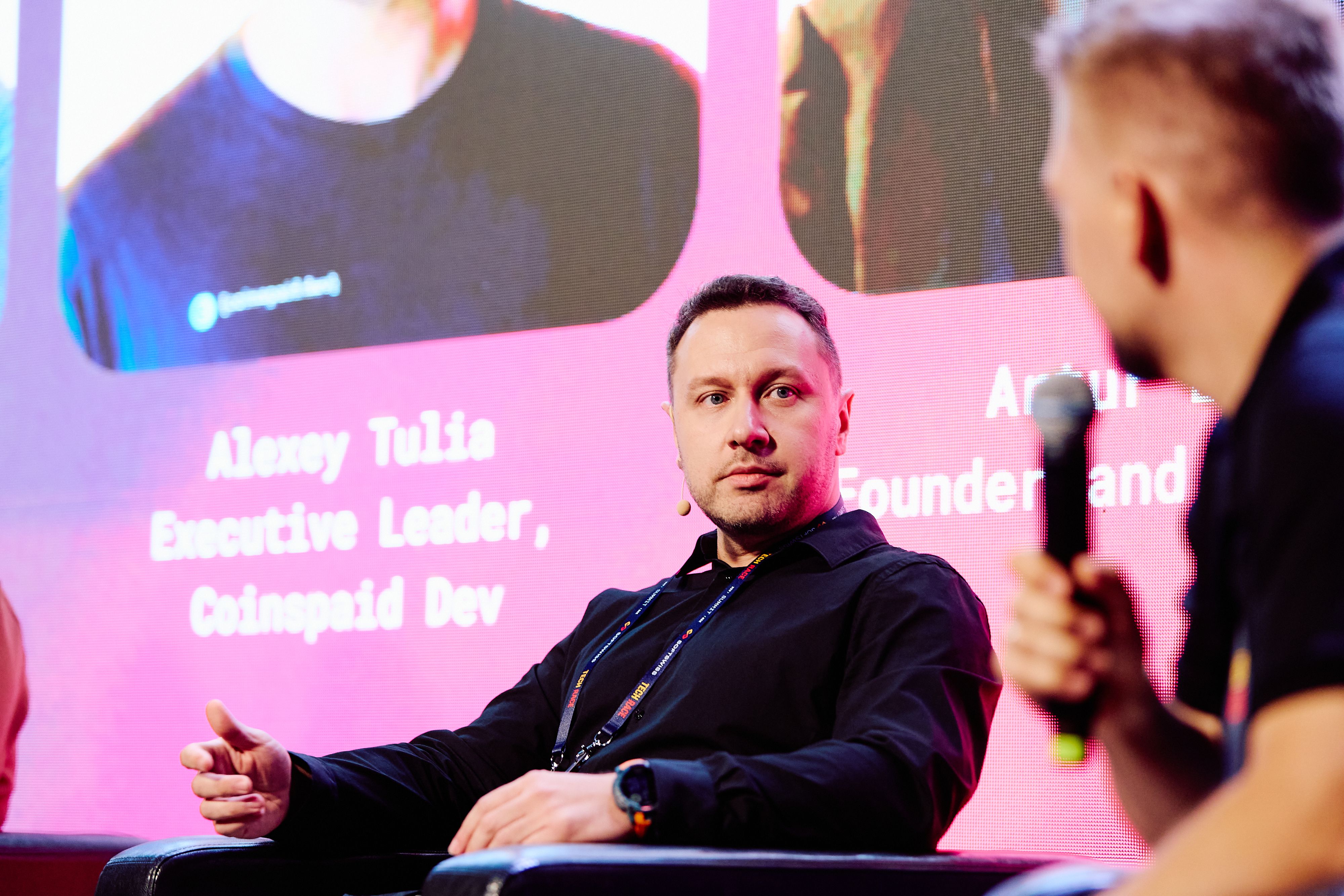
Alexey Tulia, Executive Leader at Coinspaid Dev, discussed the evolving role of engineers and CTOs in the AI Impact in Engineering panel at Tech Race Summit 2026 in Warsaw. He highlighted the shift towards AI systems that can autonomously function within company infrastructure. Currently, AI assists with drafting and analysis, but the next step involves connecting agents to live systems, including sensitive data and deployment pipelines, enabling them to act independently.
This increased autonomy raises questions about permissions, responsibility, and accountability. Tulia emphasized that as companies grant machines more authority, the need for accountability becomes paramount. For instance, if an AI agent can prepare and deploy changes to production without human approval, it becomes crucial to establish permission controls, audit logs, and the ability to halt and recover from failed deployments.
Tulia stressed that achieving greater production autonomy necessitates clearly defined authority and human responsibility. He advised CTOs to allocate AI investments based on specific organizational needs, focusing on strong APIs, reliable data, automated testing, observability, security, and flexible architecture. By doing so, companies can safely introduce new technologies.
Tulia also stressed the importance of providing engineering teams with ample capacity for experimentation, allowing them to test emerging tools and adapt when priorities change. While architecture and reduced vendor lock-in may not generate immediate revenue, they enable easy system replacement when assumptions evolve. Tulia noted that engineers now bear responsibility for the outcomes of AI-driven coding and prototyping, which should afford them greater freedom to comprehend business problems and monitor results in production.
Leaders can facilitate this transition by providing teams with business context and clear expected outcomes. Consequently, productivity assessment should be based on correctness, maintainability, security, and operational performance rather than merely code volume. Tulia anticipates that by 2029, smaller engineering teams will oversee larger areas of responsibility, and AI will generate the majority of production code, underscoring the significance of verification and technical judgment.
The CTO role will continue to demand deep technical expertise coupled with business understanding. The emergence of more vendors and AI-generated systems will necessitate engineering leaders to establish safeguards and clear ownership for AI agents accessing critical production systems.
Written by urgent.news from HackerNoon's reporting — not their text. Machine-written — may contain errors; check the original before relying on it.