Anwar: Malaysia needs skilled workers to power its next economic leap
SHANGHAI, Sept 23 — Malaysia is positioning Technical and Vocational Education and Training (TVET) at the centre o...
Malaysia is prioritizing Technical and Vocational Education and Training (TVET) as the cornerstone of its industrial policy, aiming to create a highly skilled and well-paid workforce. Prime Minister Anwar Ibrahim highlighted that this strategy is a crucial component of the nation's transition to a high-growth, high-value economy, focusing on areas like chip design, AI, green technology, and agri-food.
The 'TVET 2.0' reform phase seeks to foster closer collaboration between industry stakeholders and training institutions, accelerating exposure to emerging sectors such as semiconductors, AI, and renewable energy. Coordinated by the National TVET Council across approximately 1,400 institutions, the National TVET Policy 2030 oversees this effort alongside 12 ministries, state governments, and private providers.
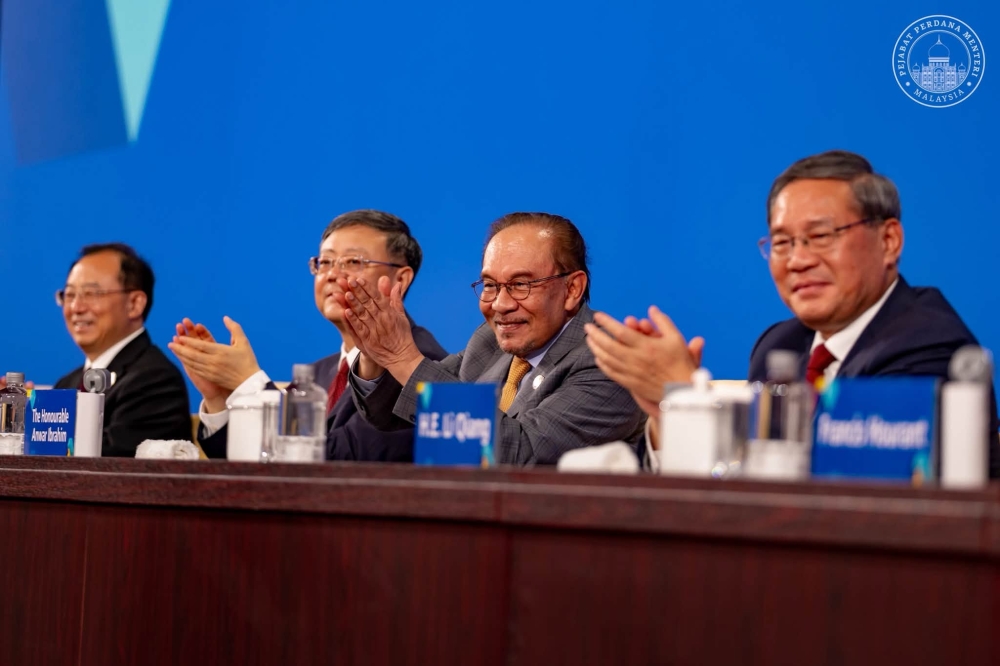
Anwar emphasized that companies must be partners in shaping the workforce from the beginning to stay ahead of technological advancements. He noted that while machinery and software become more sophisticated, human expertise remains essential to ensure smooth operations. Speaking at the WorldSkills Conference 2026, which commences the Malaysia-China Youth TVET Training initiative, Anwar expressed gratitude to Chinese Premier Li Qiang for the invitation and the Malaysian delegation's warm welcome.
He praised Shanghai's transformation from textile mills to a semiconductor and AI hub, stating that Malaysia recognizes the importance of learning before building new industries. Under its National Semiconductor Strategy, Malaysia aims to attract RM500 billion in semiconductor investment and train or upskill 60,000 highly skilled engineers by 2030.
Malaysia is eager to enhance TVET cooperation with China, leveraging China's expertise in advanced manufacturing, AI, robotics, industrial automation, electric vehicles, semiconductors, and digital technologies. Anwar highlighted that TVET can become a key pillar of the broader Malaysia-China relationship.
Written by urgent.news from Malay Mail's reporting — not their text. Machine-written — may contain errors; check the original before relying on it.
This story
This is one outlet's version. Read the fullest account.