Young Thai doctors quit over system pressures, not long hours alone
Nearly 1,000 doctors a year are leaving Thailand’s public healthcare system, according to the head of a young doctors’ network, who says heavy workloads, burnout and structural problems are pushing many out despite continued demand. Dr Supanan Janeteerawong, president of the Thai Junior Doctor Network, said today, September 22, that many doctors she had spoken … The story Young Thai doctors quit…
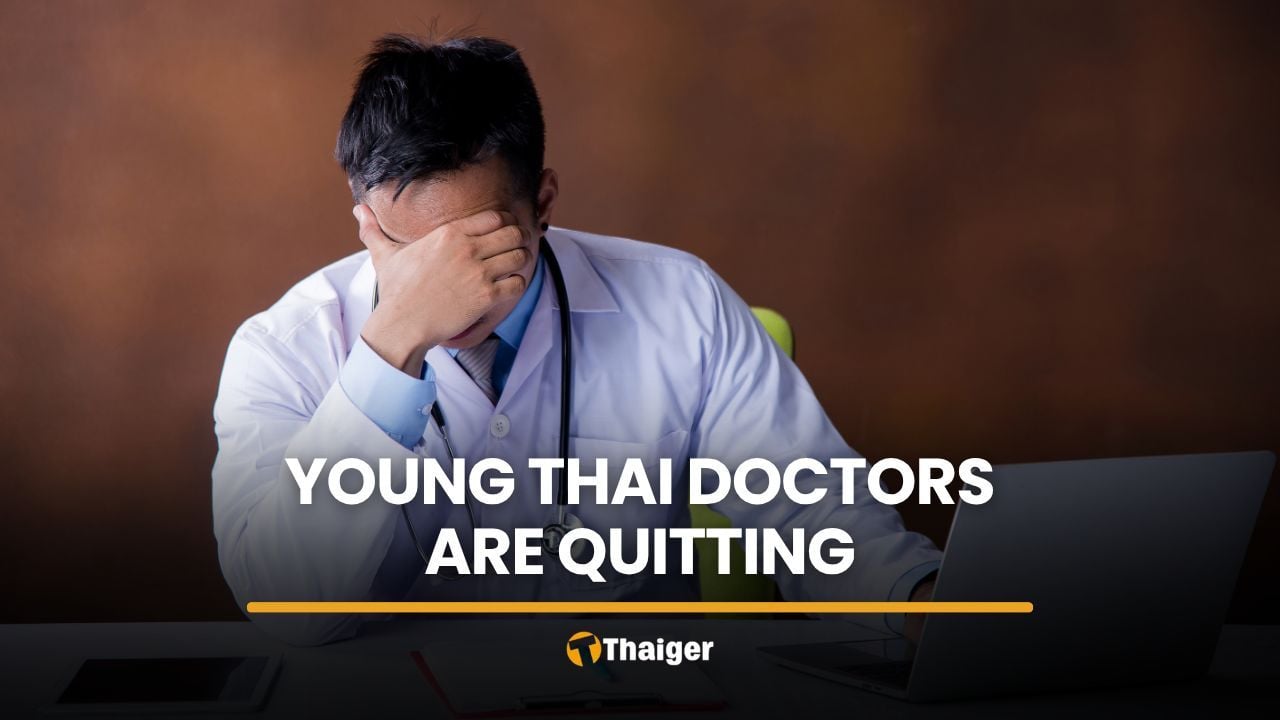
Nearly 1,000 doctors annually leave Thailand's public healthcare system, according to Dr Supanan Janeteerawong, president of the Thai Junior Doctor Network. She attributes this departure to heavy workloads, burnout, and structural issues within the system, despite the continued demand for medical professionals. Dr Supanan emphasizes that younger doctors, particularly those under 35, are leaving due to pressure from the healthcare system, rather than the challenges inherent in the medical profession itself.
Despite producing around 3,000 medical graduates yearly, up from roughly 2,000 previously, competition for medical school remains fierce, with medicine consistently among the most competitive fields.
The transition to becoming a doctor is marked by a one-year skills enhancement program within the government system, and some state medical school graduates may face service obligations lasting up to three years. Social media, increased access to information, and the rise of AI and technology have altered how younger doctors work and how the public perceives the profession.
For newly qualified doctors, completing a one-year skills enhancement program within the government system is a prerequisite before specializing. Some doctors from state medical schools may also be obligated to serve for up to three years.
Burnout and depression among frontline doctors are significant concerns, as doctors often face extreme working hours, with some working 36 hours straight followed by eight hours of sleep, repeating this cycle. Dr Supanan refutes the notion that younger doctors possess less resilience compared to previous generations, arguing that each generation enters medicine under different social conditions and should collaborate instead of blaming the younger generation for lacking endurance.
She advocates for a thorough examination of the system by the government to determine what each new generation of doctors requires, including opportunities for specialized training, career development, and transfer opportunities that allow doctors posted far from home to return closer to their families. Simply increasing the number of doctors would not resolve the shortage if the system continues to lose them.
The profession of medicine, while respected and stable, demands genuine commitment from its practitioners. Younger doctors, who must complete a one-year skills enhancement program and may have service obligations, are often the first to assess patients before referring more complex cases to specialists. New technologies like ultrasound can enhance assessment, particularly in community hospitals with limited diagnostic resources.
Despite the challenges, communication remains crucial, as patients' trust and cooperation depend significantly on how doctors explain their decisions. For those considering medicine, Dr Supanan suggests that while the profession remains stable, entering it primarily for wealth may not meet expectations given the workload relative to the financial return.
Written by urgent.news from The Thaiger's reporting — not their text. Machine-written — may contain errors; check the original before relying on it.