As parents age, Malaysia must plan for neurodivergent adults too, says Nancy Shukri
KUALA LUMPUR, Sept 22 — Planning for neurodivergent individuals must extend beyond childhood intervention to cover...
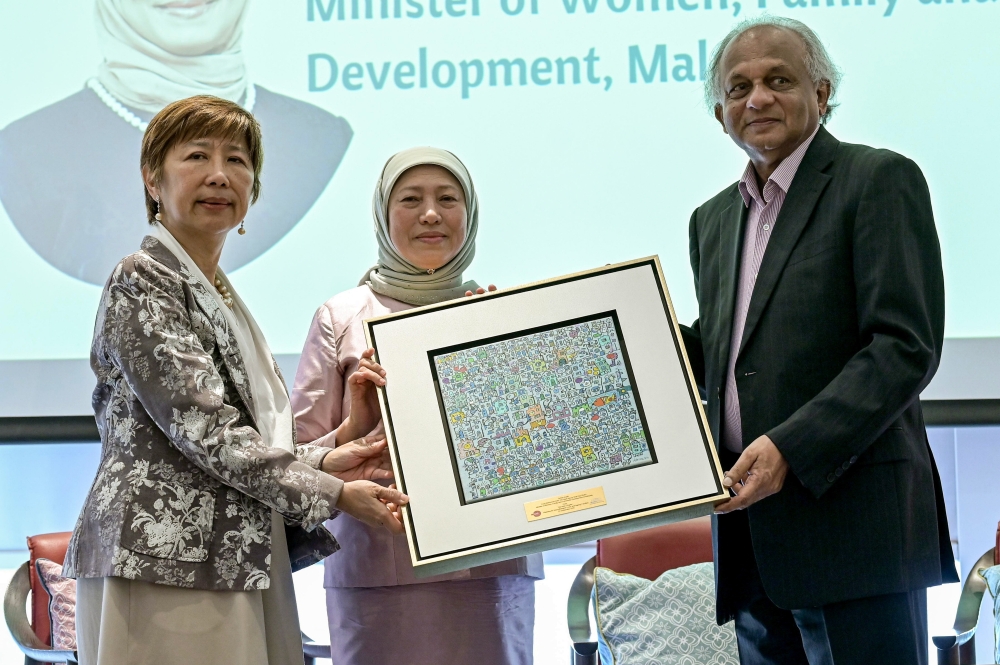
KUALA LUMPUR, Sept 22 — Malaysian Minister for Women, Family and Community Development, Nancy Shukri, emphasizes that care for neurodivergent individuals must not be limited to childhood, but should extend to their entire lives, particularly as their parents and caregivers age. As Malaysia shifts towards an ageing society, with those aged 60 and above projected to constitute 15 per cent of the population by 2036, Shukri highlights the need to address the dual reality of neurodivergent individuals living longer, fulfilling lives and the country becoming an aged nation.
Traditionally, disability planning has focused on early intervention and childhood development, but Shukri argues that this approach must be broadened to accommodate the long-term requirements of neurodivergent people and their ageing caregivers. She points out that care should no longer be considered an invisible burden primarily shouldered by families, often women, without adequate support.
Instead, it must be acknowledged as a shared responsibility among families, communities, the government, and the broader care ecosystem. This support encompasses specialised care, living arrangements, financial planning, adult support programmes, inclusive environments, and social integration, all in line with the National Plan of Action for Persons with Disabilities 2026-2030, the National Plan of Action for Older Persons 2026-2030, and the Malaysia Care Strategic Framework and Action Plan 2026-2030.
Malaysian Healthy Ageing Society (MHAS) president, Prof V. Nathan, adds that Malaysia requires comprehensive national data on autistic children, adults, and older people to better comprehend their requirements as the population matures. He advocates for services that surpass childhood-focused interventions, addressing hurdles such as access to healthcare, unfavourable sensory environments, loneliness, mobility issues, and caregiver stress.
Involving neurodivergent individuals in identifying needs, setting priorities, and designing services is crucial. Dr Choy Sook Kuen, founder of Oasis Place, underscores the necessity of increasing the number of skilled healthcare and allied health professionals and improving training for family caregivers, including parents, siblings, spouses, and other caregivers who provide continuous support.
Hosted by MHAS in partnership with Oasis Place, the forum gathered healthcare and social-care professionals, caregivers, advocates, and other stakeholders to deliberate on the long-term needs of neurodivergent adults and families facing lifelong care challenges.
Written by urgent.news from Malay Mail's reporting — not their text. Machine-written — may contain errors; check the original before relying on it.