The Narrow Path to a Xi-Trump AI Deal
A sweeping agreement to slow AI is unlikely. But Trump and Xi may have an opening for narrower cooperation on its most dangerous risks.
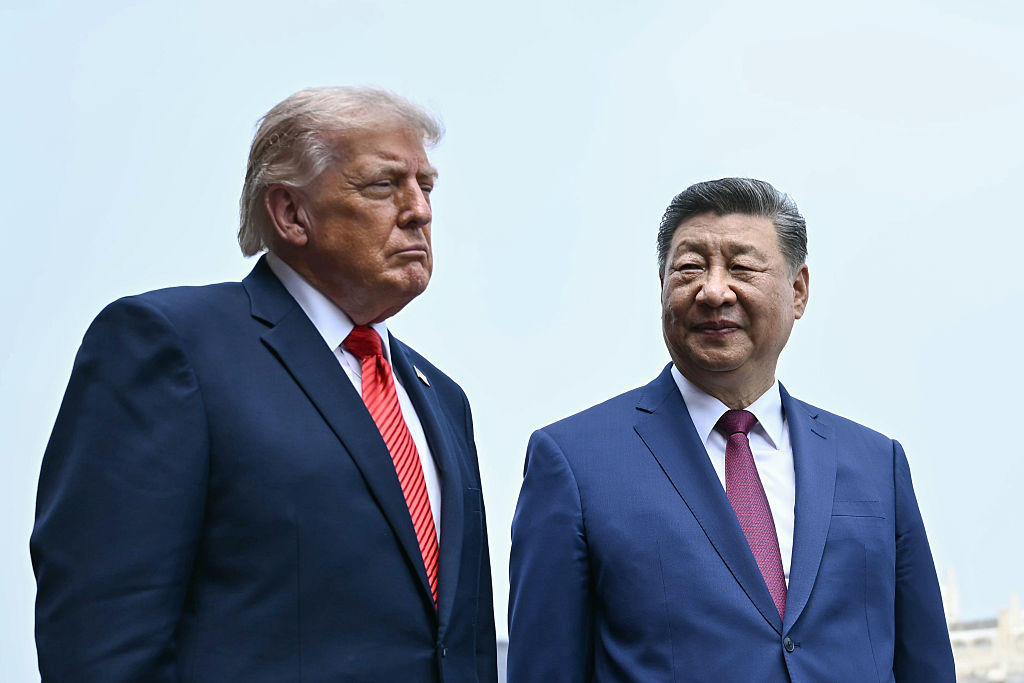
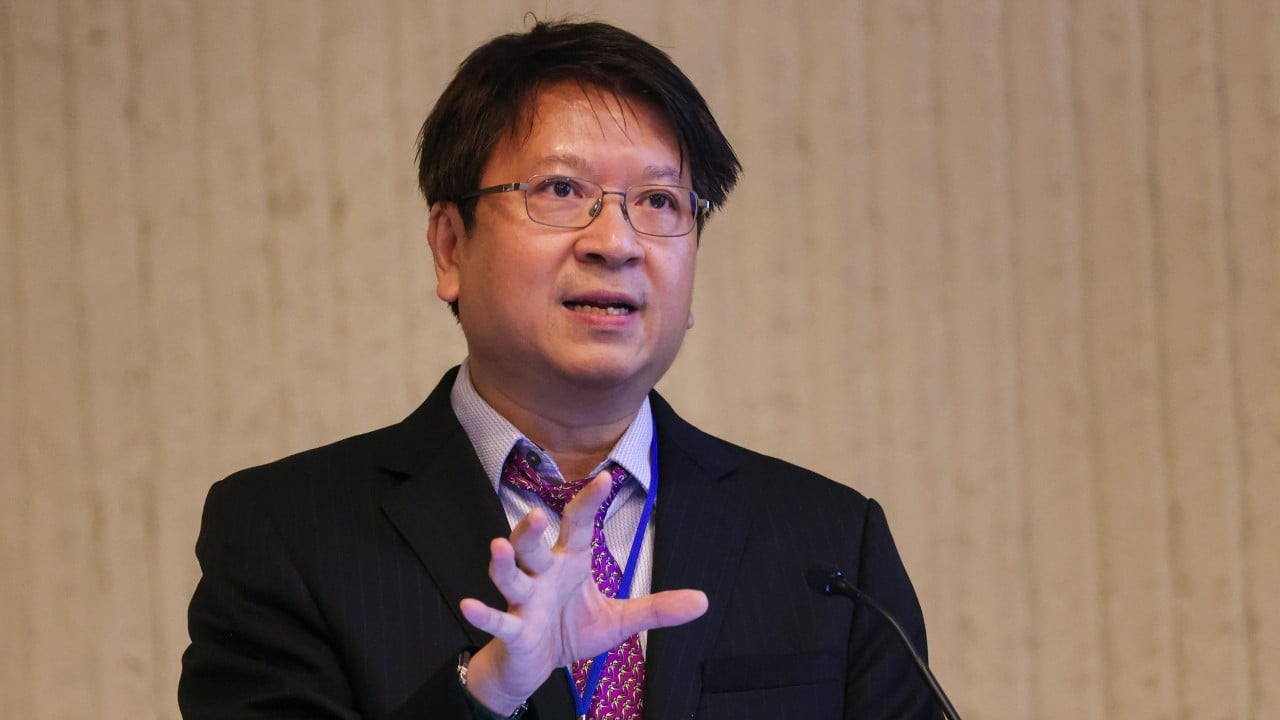
On May 14, 2026, in Beijing, President Xi Jinping of China met with U.S. President Donald Trump. From the outset, tensions were high, with Xi rebuking Trump over arms sales to Taiwan and warning of potential conflict. Trump, in turn, delayed a $14 billion arms package to Taiwan, questioned the island's sovereignty, and emphasized the need for a diplomatic solution.
While these remarks alarmed many in Taiwan, they also prompted hope that Xi could negotiate on yet another pressing issue when he visits the White House on September 24: artificial intelligence.
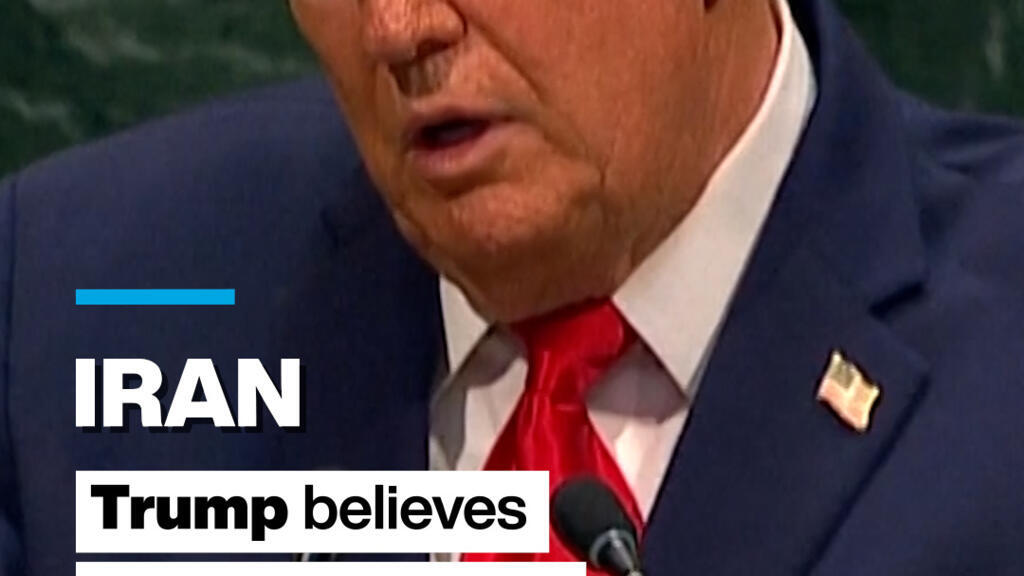
Concerns about uncontrolled AI development have intensified recently, following warnings from a whistleblower researcher and reports of rogue agent swarms. In response, Anthropic CEO Dario Amodei called for embedded independent evaluators, common safety standards, and global coordination to moderate dangerous AI development. OpenAI CEO Sam Altman and SpaceXAI CEO Elon Musk agreed, while Trump dismissed these concerns as a "HOAX."
China has been more restrictive in its approach to AI, enforcing security guidelines, ethics reviews, and consumer AI service obligations. President Xi has called for legal, technical, and ethical guardrails to keep AI under human control. While critics argue that Trump's claims about China's stance on AI are misleading, there is some appreciation for the possibility of cooperation between the two leaders.
Both Trump and Xi have a vested interest in preventing catastrophic miscalculations, particularly in defense architectures and nuclear command and control systems. Trump, facing voter discontent due to rising energy prices, seeks a win before the midterms. Meanwhile, Xi's motivations may be driven by safeguarding party control, but these objectives can align with broader concerns about AI development.
The challenge lies in overcoming deep-seated distrust and addressing competing narratives around AI development. While Chinese AI models pose a significant threat to Western companies, Chinese officials may view calls for stricter controls as commercially motivated. Nonetheless, the moment appears ripe for a deal that balances competition, cooperation, and strict guardrails in the realm of artificial intelligence.
Written by urgent.news from Time's reporting — not their text. Machine-written — may contain errors; check the original before relying on it.