Reiterating the basics of criminalisation
For a society like ours which is used to ‘name-calling’ at will (deshdrohi, ‘urban naxal’ etc), it is very important to understand the value of clearly defining categories such as ‘crime’ or ‘offence’
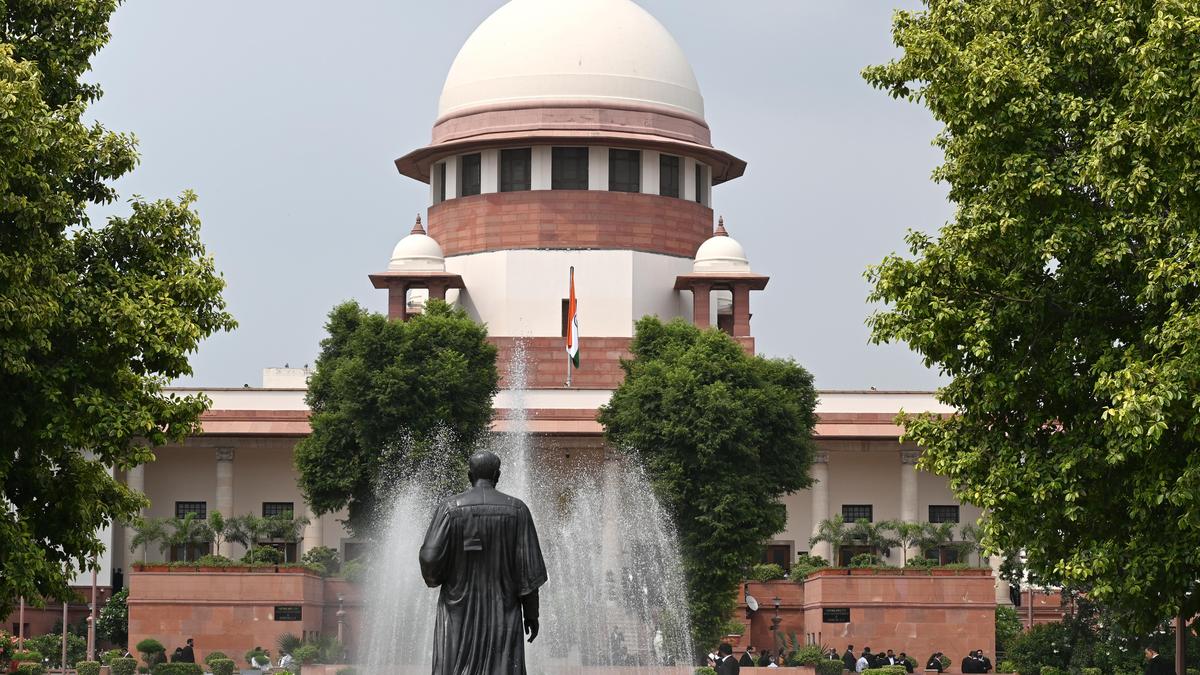
The Uttar Pradesh Gangsters and Anti-Social Activities (Prevention) Act, 1986 has been ruled unconstitutional by a two-judge bench of the Supreme Court. The court declared the Act "still-born" and that proceedings under it cannot survive. The ruling was based on three key inquiries: the need for creating the crime by explicitly identifying the act made punishable by law; criminal law-making as exclusively a legislative function; and the exclusion of the executive from rule-making and guilt-determination function.
The court emphasized the importance of clearly defining categories such as 'crime' or 'offence' to uphold the principle of legality, which is rooted in the maxims nullum crimen sine lege, nulla poena sine lege, and the prohibition against ex-post facto legislation. The court relied on Article 20(1) of the Constitution and The Limits of the Criminal Sanction by Professor Herbert L. Packer to support its decision.
The ruling has been lauded for laying out an agenda for a reform of the Gangster Act and reiterating the basics of criminalisation and the limits within which agencies are supposed to operate.
Written by urgent.news from The Hindu's reporting — not their text. Machine-written — may contain errors; check the original before relying on it.