MPOC sees Malaysia palm oil exports steady at 16 million tonnes in 2027
KUALA LUMPUR, Sept 22 — The Malaysian Palm Oil Council (MPOC) foresees Malaysia’s palm oil exports remaining...
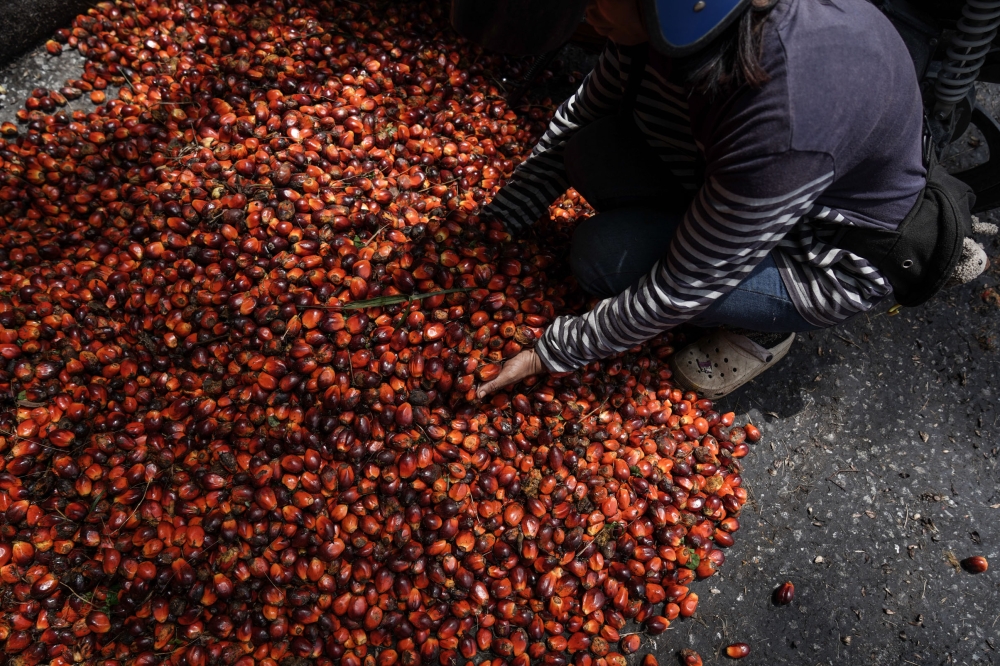
The Malaysian Palm Oil Council (MPOC) predicts Malaysia's palm oil exports will stay steady at approximately 16 million tonnes in 2027, playing a more significant role in supplying palm oil to international consumers. This outlook is based on global market analyses and forecasts from Oil World, which indicate a decline in Indonesia's palm oil production by 1.9 million tonnes and Malaysia's production decreasing by 0.7 million tonnes in the same year.
Indonesia's exports are also expected to fall by nearly 3 million tonnes in 2027 due to growing domestic demand for biodiesel and a less favorable production outlook. The country's current high stock level is projected to be temporary.
In August 2026, Malaysia's palm oil production saw a marginal increase of 1.4 percent month-on-month, reaching 1.81 million tonnes, driven by higher fresh fruit bunch collection and improved oil extraction rates. However, output remained below the level from the previous year, marking the sixth consecutive month of year-on-year decline since March 2026.
Full-year exports from January to August 2026 rose by 806,000 tonnes to 10.4 million tonnes, but August exports fell by 7.5 percent month-on-month to 1.29 million tonnes due to reduced shipments to South Asia and the Middle East.
Despite the monthly decline, the MPOC forecasts full-year 2027 exports to reach 16.0 million tonnes, a 5.2 percent increase from 2025. This projection is based on higher production and weaker exports, which have led to an increase in palm oil stocks to 2.82 million tonnes in August. Looking ahead, crude palm oil prices are anticipated to remain firm above RM4,700 per tonne throughout the year, supported by weather uncertainty and favorable energy markets.
The primary downside risks include easing energy prices and further stock accumulation as production typically peaks in September or October.
Written by urgent.news from Malay Mail's reporting — not their text. Machine-written — may contain errors; check the original before relying on it.