Lagos Govt warns residents against adulterated palm oil
The Lagos State Consumer Protection Agency, LASCOPA, has raised the alarm over the increasing presence of sophisticated adulterated palm oil in markets across the state. The agency issued the warning following a technical presentation at the Lagos State Food Safety Conference and Exhibition by a Senior Lecturer in the Department of Food Technology, Auchi Polytechnic, […] Lagos Govt warns…
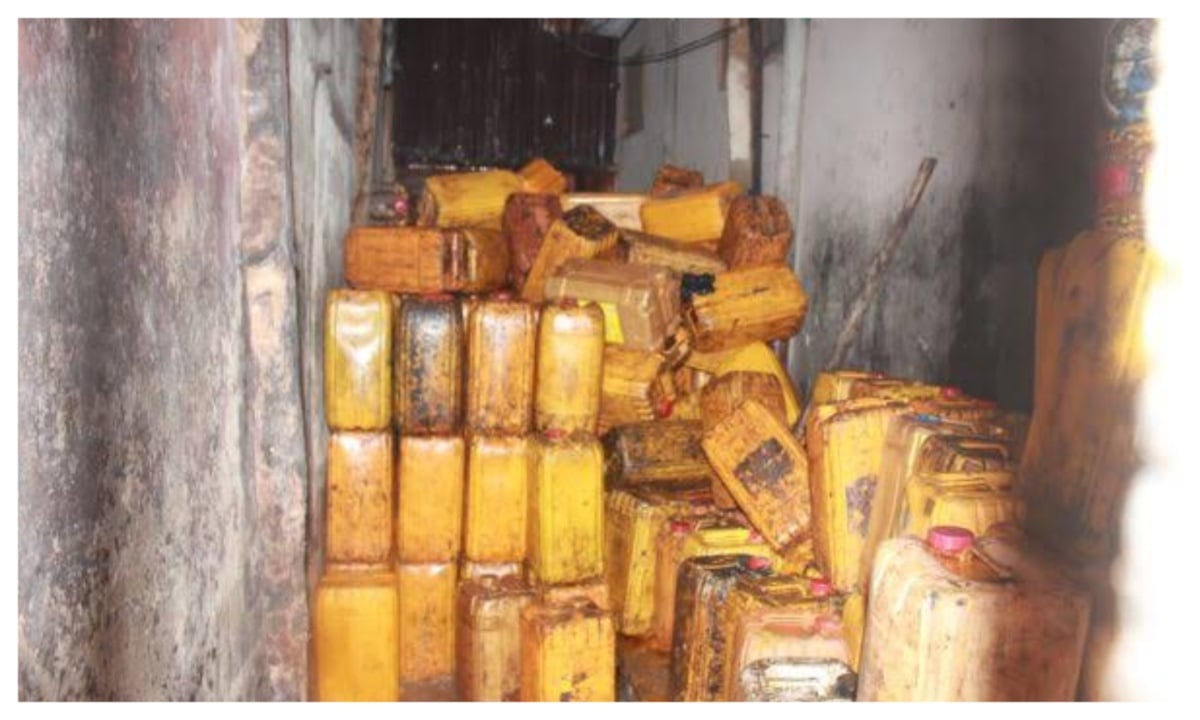
The Lagos State Consumer Protection Agency (LASCOPA) has issued a warning to residents about the growing issue of adulterated palm oil circulating in markets throughout the state. This announcement came after a presentation by Dr. Nurah Oseni, a Senior Lecturer from Auchi Polytechnic's Department of Food Technology, at the Lagos State Food Safety Conference and Exhibition.
LASCOPA is urging consumers to stay alert and report any suspicions of adulterated palm oil through their official channels. The General Manager of LASCOPA, Afolabi Solebo, emphasized the agency's dedication to safeguarding consumers from harmful and poor-quality products. Solebo called on Lagos citizens to remain vigilant and report any suspected cases of adulterated palm oil or unscrupulous traders to the agency.
He noted that LASCOPA had intensified its market surveillance across the state and warned that individuals involved in the sale of adulterated palm oil would face arrest and prosecution under relevant laws. In her presentation titled, ‘Palm oil adulteration: Emerging risks, detection strategies and regulatory control,’ Dr. Oseni highlighted several factors that make palm oil particularly vulnerable to adulteration.
These include the high trading volume, consumers' preference for a deep-red color as a quality indicator, price discrepancies, informal market practices, and the challenge of detecting complex adulterants. Dr. Oseni detailed emerging forms of adulteration, such as the use of potentially cancer-causing Sudan and Azo dyes to enhance the oil's color.
She also pointed out the blending of palm oil with recycled or spent cooking oils as a concerning trend. Moreover, Dr. Oseni warned about the creation of multi-adulterant mixtures aimed at evading basic quality checks, making some adulterated products increasingly difficult to detect using traditional methods. To help consumers identify potentially adulterated palm oil, Dr. Oseni suggested simple visual checks.
She explained that genuine palm oil tends to separate into distinct layers, with the lower layer appearing orange to a reddish-yellow hue instead of maintaining a consistent deep-red color. However, she cautioned that relying solely on visual inspection may not definitively confirm whether palm oil has been adulterated.
Written by urgent.news from Daily Post Nigeria's reporting — not their text. Machine-written — may contain errors; check the original before relying on it.