Back pain? It could be a sign of kidney stones
Sudden, severe or recurring pain - particularly when accompanied by blood in the urine - may warrant a closer look.
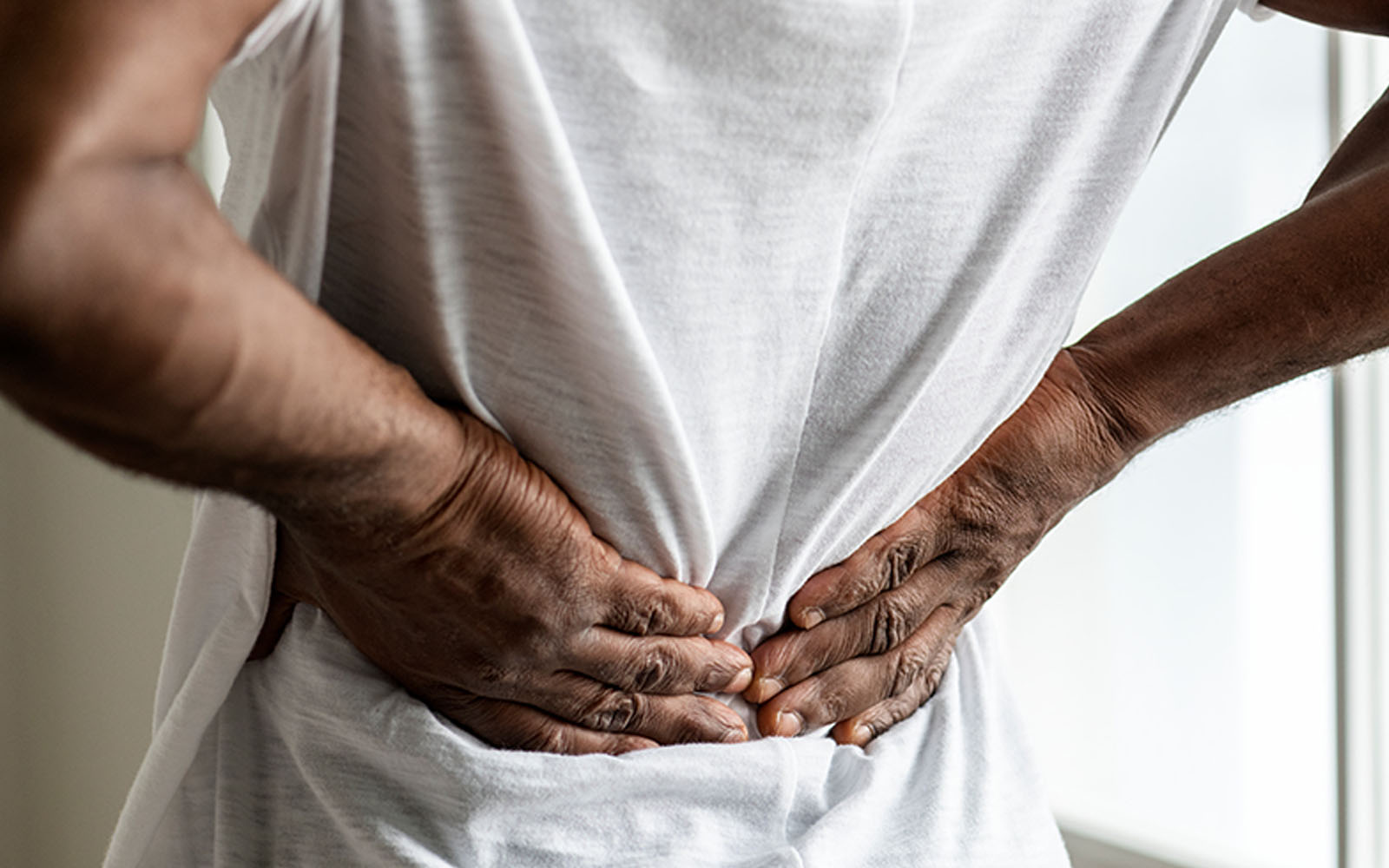
Back pain may be a symptom of kidney stones, which can be difficult to distinguish from muscular pain. Urologist Dr S Sivaprakasam notes that while musculoskeletal back pain usually improves with rest, pain caused by urinary tract stones is sudden, severe, and can occur at any time, even during sleep. If back pain persists for several days without improvement, medical attention is advised.
A urine test may detect the presence of blood, an early sign of a urinary tract stone. Imaging tests, such as low-dose non-contrast CT scans, can confirm the presence and location of a stone, guiding treatment options. Modern treatments for kidney stones have evolved, often involving minimally invasive procedures that reduce pain and recovery time.
Adults are advised to consume 2.5 to 3 litres of fluids per day to maintain proper hydration and reduce the risk of kidney stone formation. Diet can also play a role, with high intake of red meat, fast food, and foods rich in oxalate potentially increasing the likelihood of stone formation. Citrate-rich foods, like lemons and limes, may help prevent stone formation by making it harder for crystals to bind together in the urine. Drinking enough water throughout the day is a simple yet effective way to prevent kidney stones.
Written by urgent.news from Free Malaysia Today's reporting — not their text. Machine-written — may contain errors; check the original before relying on it.
This story
This is one outlet's version. Read the fullest account.
- Back pain? It could be a sign of kidney stones freemalaysiatoday.com