Feature: Families live with hidden risks from lead as battery recycling pollutes the air
ASHAIMAN, Accra — Salma Iddrisu sits beside her large pan here in the centre of the Ashaiman scrapyard, selling food to workers as the day’s activities go on around her. The 38-year-old has been doing this for the past six years. She arrives in the morning, sets up her food and can remain until 7 […] The post Feature: Families live with hidden risks from lead as battery recycling pollutes the air…
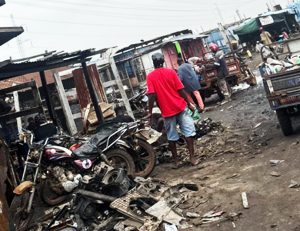
In Ashaiman, Accra, Salma Iddrisu, a 38-year-old food vendor, has been selling meals in a scrapyard for the past six years. Recently, she noticed her five-year-old daughter's hearing deteriorating, leading to a doctor's diagnosis of anemia. The doctor advised Iddrisu to stop her daughter from spending time at the scrapyard. Lead exposure is a significant concern for children in Ghana, as nearly half of those surveyed had elevated blood lead levels.
Informal battery recycling sites pose a risk of lead dust and fumes entering the air and settling in the environment, potentially exposing people who live and work nearby. Lead poisoning can cause severe health issues, including seizures, strokes, blindness, and intellectual disabilities. Children are especially vulnerable due to their developing brains and nervous systems.
Despite efforts to mitigate the risks, the ongoing activities at the scrapyard continue to put children and workers at risk, as well as the parents who have limited options for their children's well-being.
Written by urgent.news from The Chronicle Ghana's reporting — not their text. Machine-written — may contain errors; check the original before relying on it.