Back pain? It could be a sign of kidney stones
Sudden, severe or recurring pain - particularly when accompanied by blood in the urine - may warrant a closer look.
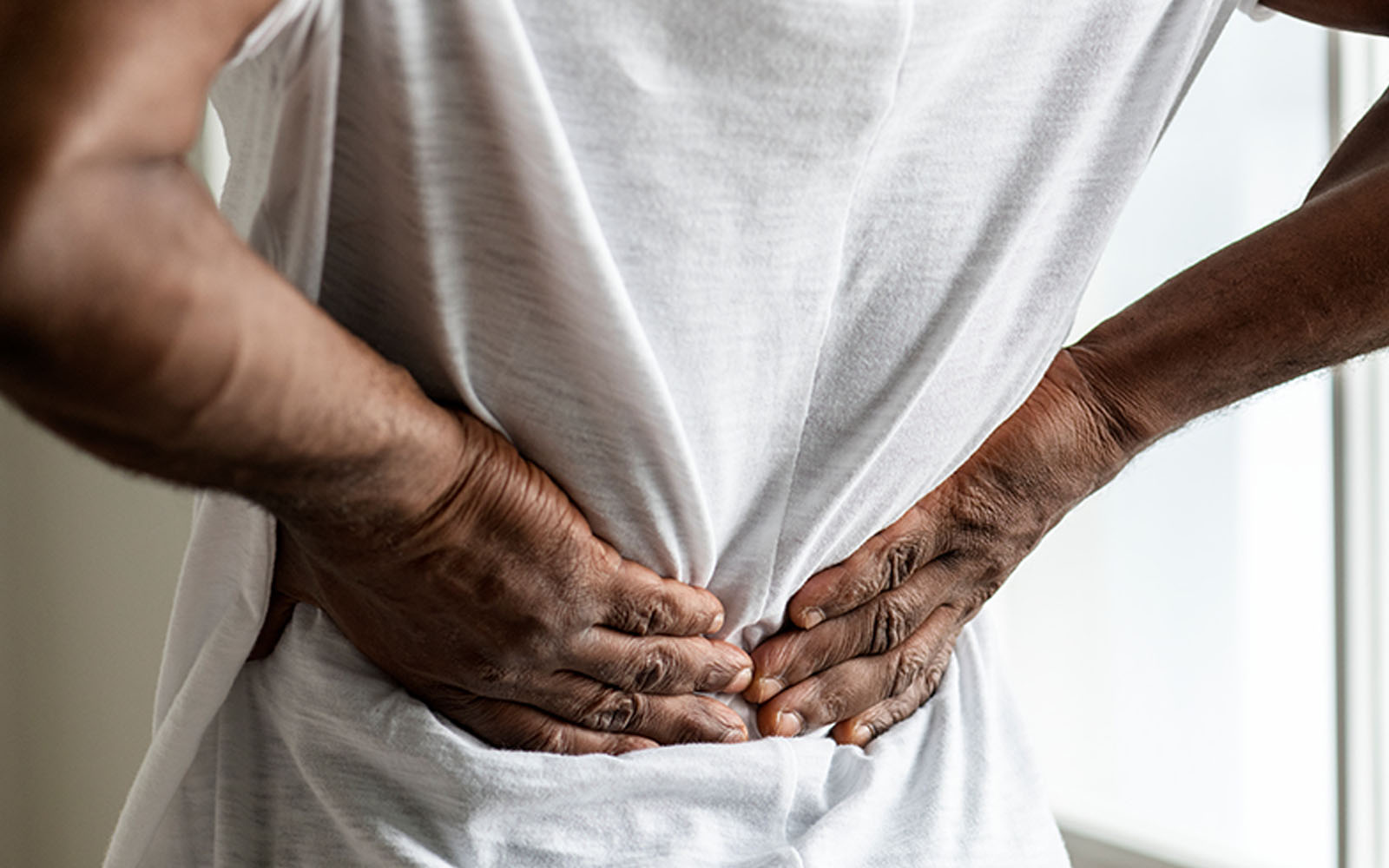
Back pain affects many working adults, often attributed to desk work, poor posture or fatigue. However, persistent discomfort could signal kidney stones. Urologist Dr S Sivaprakasam explains that distinguishing between muscular and stone-caused pain can be challenging. Musculoskeletal pain typically eases with rest and lying down, whereas kidney stone pain is sudden, severe and unpredictable, sometimes causing sleep disruption and varying in intensity.
If back pain lingers despite rest, it warrants attention. A urine test, even if blood is not visible, may indicate a stone's presence. Imaging, such as a low-dose non-contrast CT scan, can reveal the stone's size and location. Modern treatment options include minimally invasive procedures using small instruments or laser technology to break stones into fragments for easier removal.
Treatment often allows patients to return home the same day and resume normal activities within a day or two. Adequate hydration is crucial in preventing kidney stones. Adults should aim for 2.5 to 3 litres of fluids daily, primarily water. High consumption of red meat, fast food, and certain oxalate-rich foods can increase the risk.
Consuming citrate-rich foods like lemons and limes may help prevent stone formation by making urine less conducive to crystal binding. Drinking enough water throughout the day keeps urine diluted, reducing the risk of stone development.
Written by urgent.news from Free Malaysia Today's reporting — not their text. Machine-written — may contain errors; check the original before relying on it.
Also reported by 1 other outlet
- Back pain? It could be a sign of kidney stones freemalaysiatoday.com