Why Trump’s $24.3 billion Saudi F-35 deal is raising concerns in US, Israel
The proposed $24.3 billion sale of F-35 fighter jets to Saudi Arabia is under careful examination. If approved, this transaction would position Saudi Arabia as the second country in the Middle East to acquire these high-tech military aircraft. However, apprehensions about the impact on regional military dynamics and Israel's strategic advantage loom large. Moreover, the growing relationship…
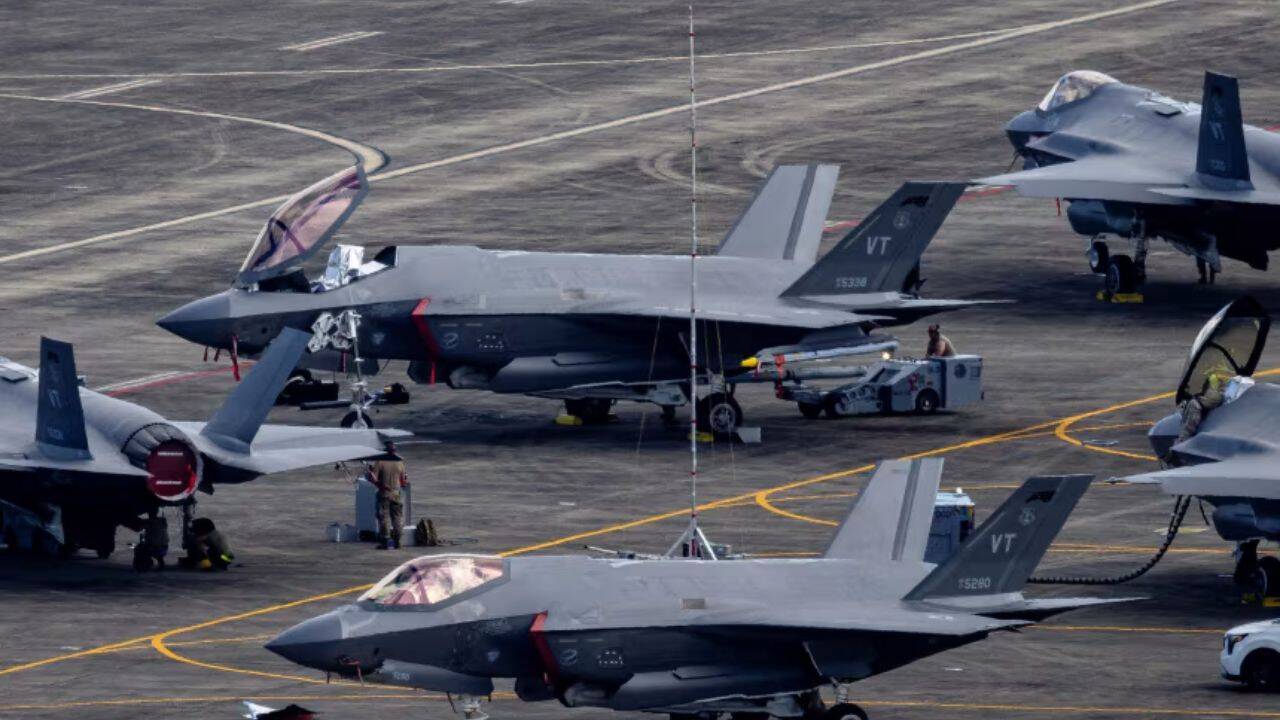
The Trump administration's approval of a potential $24.3 billion sale of F-35 stealth fighter jets to Saudi Arabia has reignited concerns within the US and Israel. The proposed deal includes 48 aircraft and 49 engines, but it has yet to be finalized and must still face congressional scrutiny. If approved, Saudi Arabia would become only the second Middle Eastern country, after Israel, to operate the advanced fighter jet.
This move marks a significant expansion of Saudi Arabia's air warfare capabilities, as the F-35 is one of the most sophisticated aircraft in the US arsenal. The deal has also rekindled worries about its implications for the Middle East's military balance, Saudi Arabia's increasing ties with China, and the protection of sensitive US defense technology.
According to Reuters, the Trump administration had already signed a separate $142 billion defense package with Saudi Arabia in 2025. For Saudi Arabia, this proposed sale would represent a major upgrade to its air force, as the F-35 is a fifth-generation fighter equipped with stealth, advanced sensors, and networked warfare capabilities.
However, the deal has generated controversy. The primary concern is how the transfer of these advanced aircraft and systems might affect the military balance in the region, particularly given Israel's longstanding possession of the F-35 and its emphasis on maintaining its qualitative military edge. Despite Israeli concerns over the potential consequences of the transfer, the US administration maintains that the deal would not undermine the regional military balance.
The aircraft and systems provided to Saudi Arabia may differ from Israel's F-35 configuration, which includes Israeli-specific modifications and capabilities.
Another area of concern is Saudi Arabia's growing relationship with China. In recent years, Saudi Arabia has expanded its economic, technological, and military ties with Beijing. US officials and intelligence agencies have raised questions about the potential risks to F-35 technology stemming from China's access to Saudi facilities or its broader relationship with Riyadh.
The United Arab Emirates had previously been offered F-35s, but the deal was eventually halted due to US concerns over its relationship with China and the protection of American technology. The Congressional review will be a crucial hurdle for the F-35 sale. While the Trump administration has approved the potential deal, lawmakers can still review it and raise objections.
The debate may encompass not only Israel's security concerns and China-related technology issues, but also Saudi Arabia's broader strategic implications and the impact of expanding US military cooperation with Riyadh.
Written by urgent.news from Times of India's reporting — not their text. Machine-written — may contain errors; check the original before relying on it.