Why JD(U) has stepped up its campaign against Farakka Treaty renewal
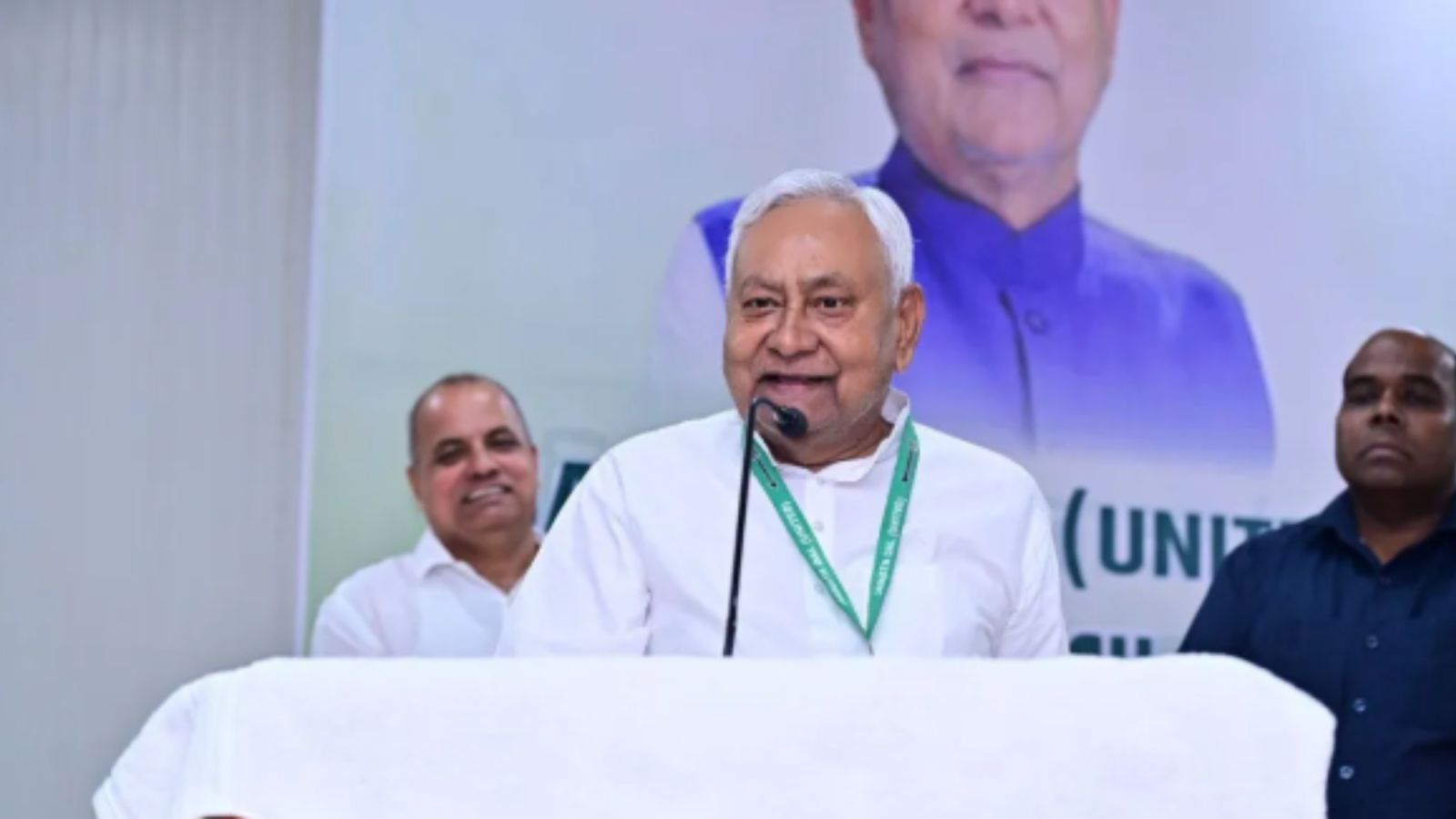
The JD(U) political party has intensified its campaign against the renewal of the Farakka Treaty, launching a new initiative called "Nitish Samvad." This initiative involves party leaders traveling to 12 districts along the Ganga in Bihar to garner support for their opposition to the water-sharing agreement between India and Bangladesh, which is set to expire in December.
The campaign follows the recent Bihar Assembly elections, and there is no indication of any political motive behind it. However, a party leader noted that if the party effectively engages in these areas, it could benefit the NDA in upcoming elections.
The 12 districts targeted by the JD(U) are Buxar, Bhojpur, Saran, Patna, Vaishali, Samastipur, Begusarai, Lakhisarai, Munger, Khagaria, Bhagalpur, and Katihar. So far, the party has covered four districts—Buxar, Bhojpur, Begusarai, and Khagaria—and plans to cover Saran, Vaishali, Patna, and Samastipur in October, with the remaining four districts in November. Collectively, these 12 districts comprise 83 Assembly constituencies, representing approximately 34% of Bihar's 243-member Assembly.
Historical data reveals a significant shift in political performance in these districts. The BJP's vote share and tally have steadily increased from 36.09% in 2015 to 49% in 2025, while the JD(U)'s vote share fell from 41.62% in 2015 to 46% in 2025. The RJD's performance has declined consistently, with its vote share dropping from 47.11% in 2015 to 39.88% in 2025. The Congress has also experienced a decline in its vote share, from 38.89% in 2015 to 32.63% in 2025.
At the core of the JD(U)'s opposition to the Farakka Treaty is Bihar's perceived disadvantage in water sharing during the dry season. The 30-year agreement between India and Bangladesh, which governs the Ganges Water Sharing Treaty, is set to expire in December. The JD(U) is now bringing this issue to the public, following Nitish Kumar's longstanding stance against the Farakka Barrage. The party's national spokesperson, Rajeev Ranjan Prasad, emphasized that the current treaty is not acceptable for Bihar's interests.
Written by urgent.news from The Indian Express's reporting — not their text. Machine-written — may contain errors; check the original before relying on it.