Rainmaker Raises $100 Million to Turn Cloud Seeding Into Freshwater Production
Water scarcity affects almost every industry in the American West. For years, cloud seeding has been discussed as a potential answer, but it was never proven in a way that The post Rainmaker Raises $100 Million to Turn Cloud Seeding Into Freshwater Production appeared first on Ventureburn .
Water scarcity is an ongoing issue across industries in the American West. For years, cloud seeding has been considered a potential solution, though its effectiveness remained unproven. Rainmaker has raised $100 million to expand its weather research team and make cloud seeding more cost-effective in producing fresh water. The investment was led by NOA VC, Upfront Ventures, DCVC, Lowercarbon Capital, and Dream Ventures, all of which have prior experience in climate and hard tech investments.
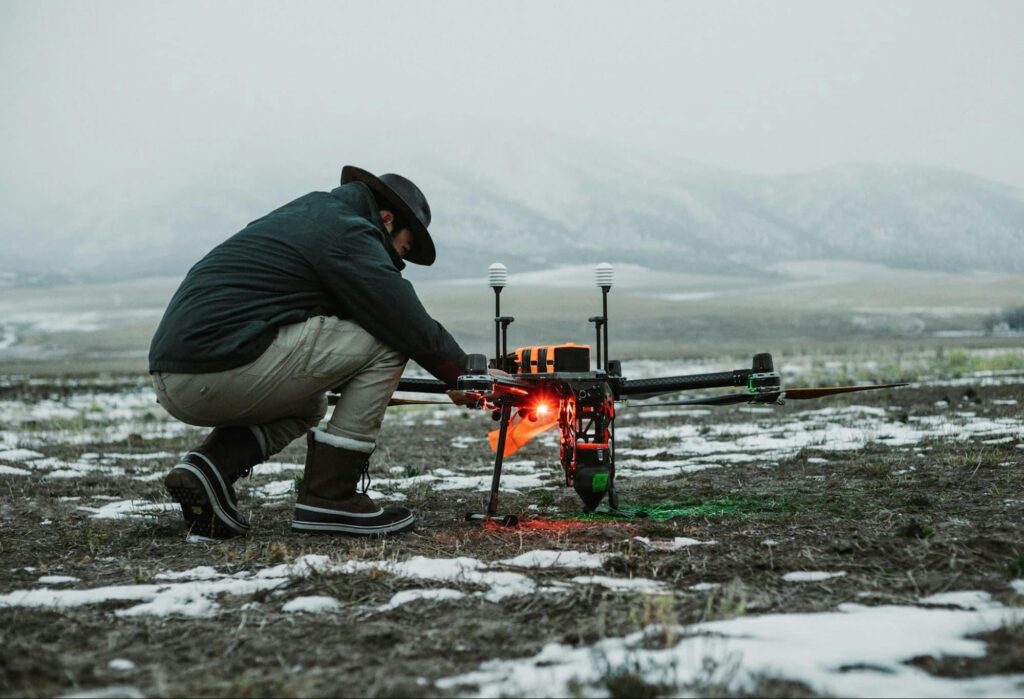
Rainmaker distinguishes itself from traditional cloud seeding methods by utilizing weather-resistant drones instead of costly piloted aircraft. These drones are flown directly into winter storm clouds, where they release a small quantity of silver iodide, acting as a nucleus for ice crystals to form. This innovation is not limited to the drone itself but also includes the innovative post-flight tracking system.
Rainmaker uses its own radar to measure the exact amount of additional rain or snow generated by each flight. This distinctive approach provides the proof that has been missing in cloud seeding. Earlier this year, Rainmaker became the first private company to demonstrate its cloud seeding results with tangible data. Over a four-month period, the company recorded 82 unambiguous seeding signatures—distinct radar patterns that directly link precipitation to a specific seeding flight.
These signatures amount to over 145 million verified gallons of freshwater, which equates to the annual water consumption of nearly 1,800 American households.
The company's validation efforts have been instrumental in attracting investment. For regulators and communities, the ability to present radar data for each flight and the precise extra precipitation generated provides much-needed transparency. For investors, validation reduces the inherent risks of the business model, transforming weather modification from an unmeasured atmospheric science into a measurable infrastructure asset.
This shift from unmeasured to measured is what made the $100 million round possible, moving cloud seeding from a theoretical solution into a quantifiable and marketable resource.
Written by urgent.news from Ventureburn's reporting — not their text. Machine-written — may contain errors; check the original before relying on it.