Pharmacy treatments for Lyme disease cut N.S. emergency visits in half: study
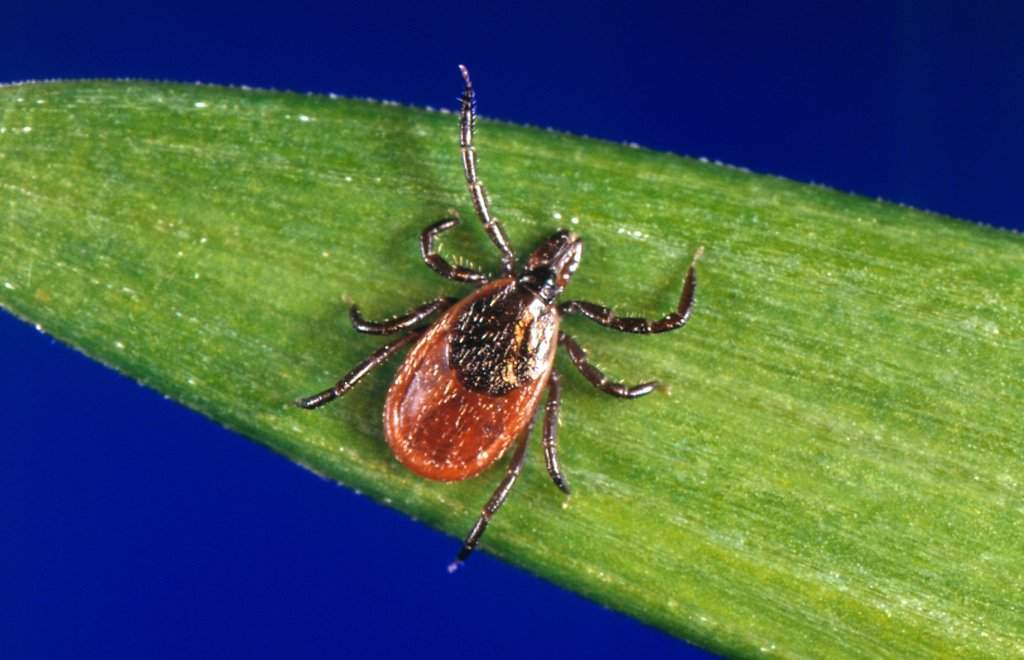
Blacklegged tick bites can lead to Lyme disease, as well as Anaplasmosis, Babesiosis and Powassan virus though Nova Scotia has not seen Powassan cases so far.
Nova Scotians visiting emergency departments with tick bites have seen a significant reduction after the province granted pharmacists the ability to assess and provide preventative Lyme disease treatment in 2021. A study published in the Canadian Pharmacy Journal has revealed that the number of emergency visits for tick bites dropped by nearly 50% after this change.
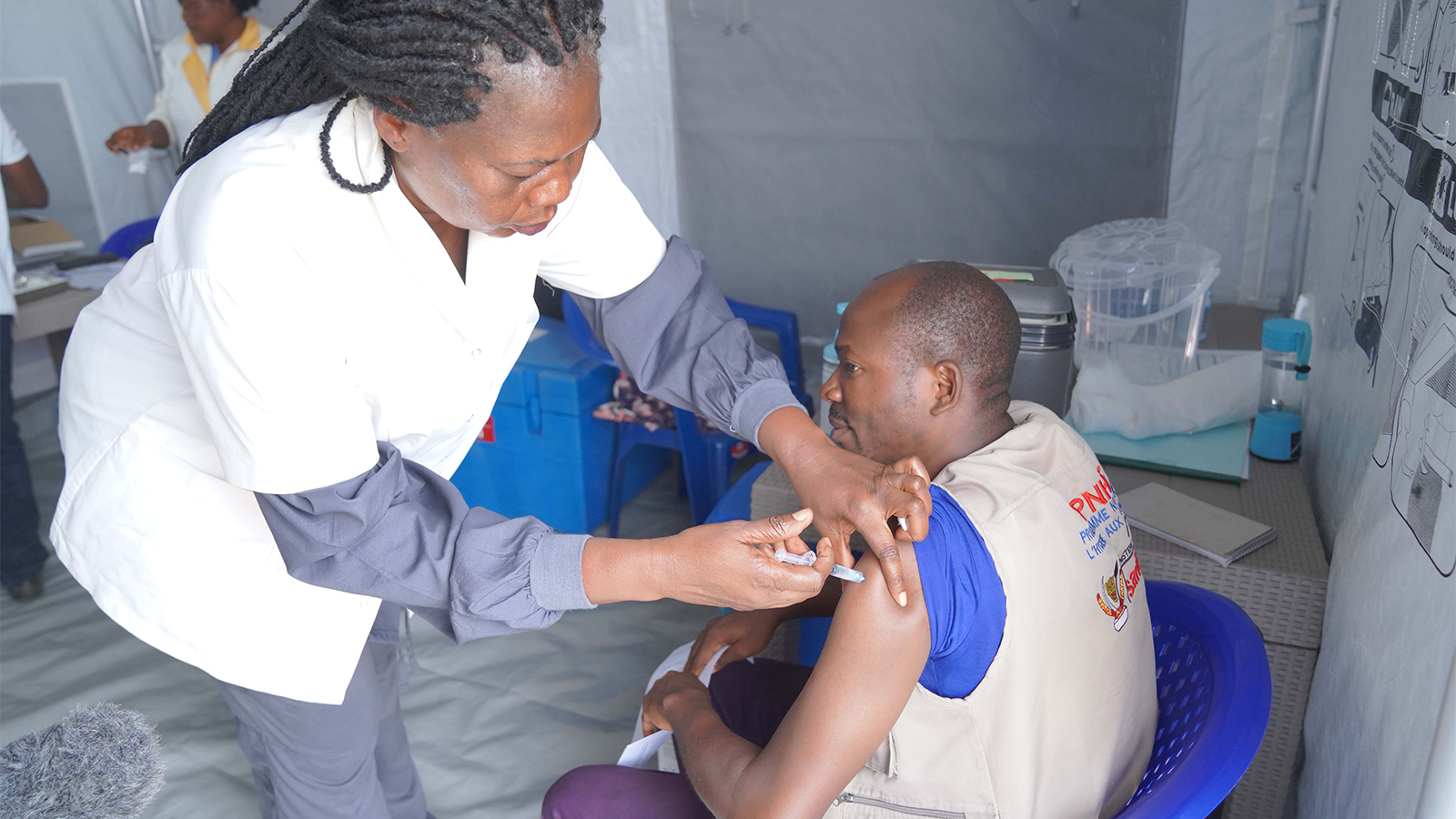
Emily Black, the lead supervising author of the study and acting director of the College of Pharmacy at Dalhousie University, explained that people are seeking alternative access points for treatment. "They really don’t want to be sitting in the emergency department," she said, "but I also think it suggests or shows that they really value the care that pharmacists can provide and really trust their assessment and ability to do that."
The study analyzed patient cases of tick bites reported at three Nova Scotia emergency departments for 16 months before and after the August 2021 change. Before the implementation, there were a total of 617 visits for tick bites. Following the change, 402 people visited an emergency department over a 16-month period. The study demonstrated that the rate of tick-bite visits was cut almost in half when compared to the overall emergency department volume.
Allison Bodnar, CEO of the Pharmacy Association of Nova Scotia, emphasized that people should not be in the ER for minor ailments. "We really don’t want people with minor ailments, things that they categorize in the ER as level four or level five, we don’t want those in the ER, we want them being taken care of in the community," she said. In the most recent quarter, from April to June, pharmacists in the province assessed more than 8,000 tick bites, highlighting the increasing prevalence of the issue in Nova Scotia.
Pharmacists are now becoming a primary source for Lyme disease treatment in the province. A 2024 study found that pharmacists prescribed 61.3% of all single-dose doxycycline prescriptions following the province granting them prescribing authority. Despite the high number of people turning to pharmacists for Lyme disease treatment, Black stressed that more work needs to be done to increase awareness about the available services.
"There’s still a lot of people out there who maybe don’t know about the service," she said, "I think there’s work to do in terms of increasing awareness around what can be offered in community settings and the different health-care providers that can offer that."
Nova Scotia has high rates of Lyme disease, and the provincial government has reported an increase in cases of Anaplasmosis and Babesiosis, two other tick-borne illnesses. There are currently no known cases of the Powassan virus in the province.
Written by urgent.news from Global News's reporting — not their text. Machine-written — may contain errors; check the original before relying on it.
This story
This is one outlet's version. Read the fullest account.