Scientists are finally starting to figure out Alzheimer’s
For decades, research into Alzheimer’s disease has made painfully little progress. More than 7 million Americans are living with the disease, which is the most common cause of dementia. It’s incurable, and treatments have been hampered by groupthink, as well as by systemic fraud from some of the field’s most famous researchers. But there are […]
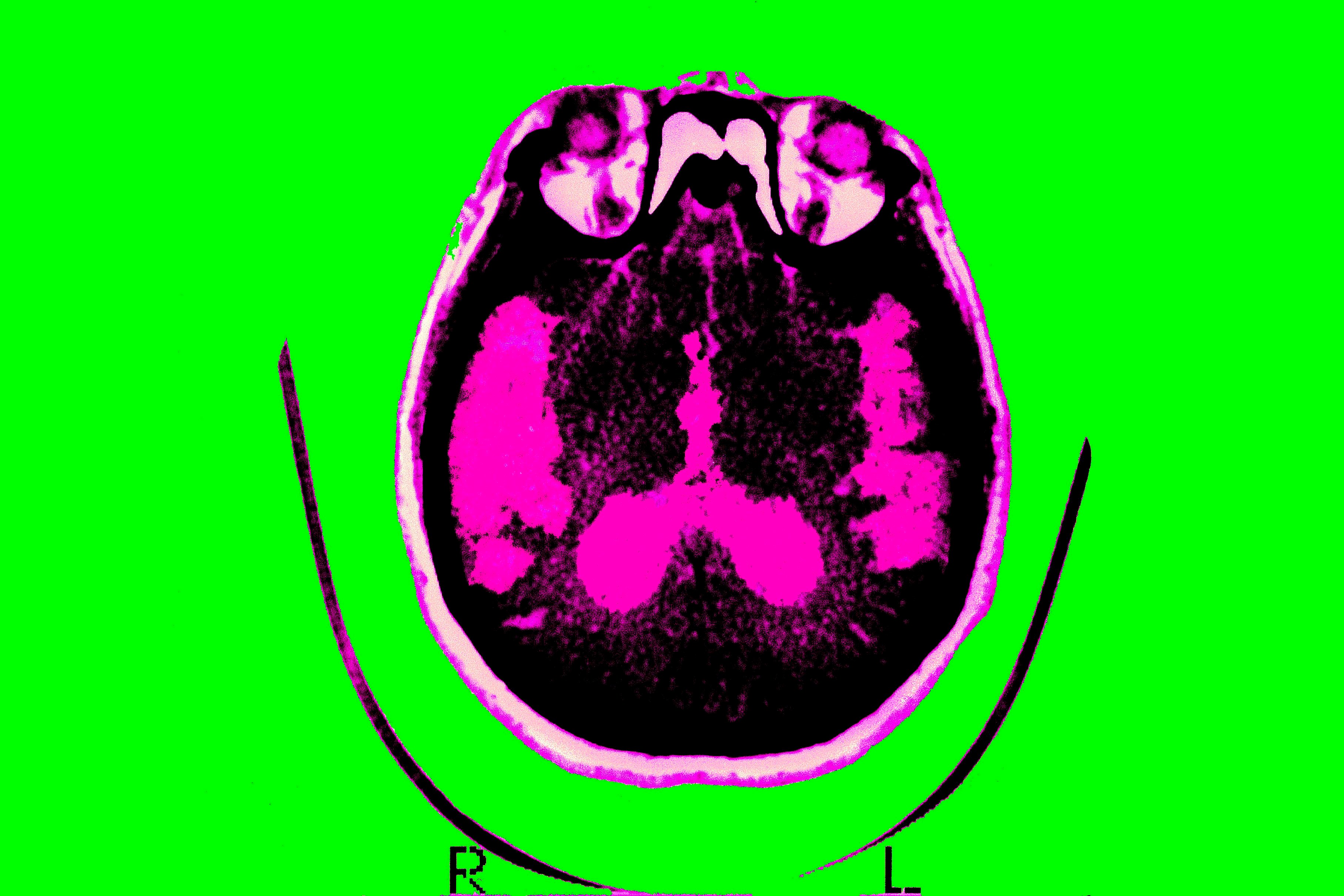
Scientists are finally starting to make progress in understanding Alzheimer's disease, a condition that affects more than 7 million Americans. For decades, research in this area has yielded little improvement, but there are now signs that the field is turning a corner.
Two new drugs, lecanemab and donanemab, have recently been approved by the FDA and are designed to target amyloid plaques in the brain, which are thought to play a role in the development of Alzheimer's. These drugs have shown promise in clinical trials by clearing out amyloid plaques and slowing cognitive decline in patients. However, the amyloid hypothesis has been controversial, and there is now growing evidence that other proteins and factors may also contribute to the disease.
In addition to amyloid plaques, scientists are also exploring the roles of tau proteins, chronic inflammation, and vascular health in the development of Alzheimer's. Researchers are in the early stages of developing treatments that target these other factors, with some preclinical data suggesting promising results.
Interestingly, some drugs that are already used for other purposes, such as GLP-1 medications, may also have potential in preventing or slowing the progression of Alzheimer's. These drugs help with weight loss, which can improve vascular health and lower the risk of vascular problems associated with the disease.
Overall, the scientific community is cautiously optimistic about the future of Alzheimer's research, with the hope that a diverse range of treatments targeting various aspects of the disease will eventually be developed.
Written by urgent.news from Vox's reporting — not their text. Machine-written — may contain errors; check the original before relying on it.