Pharmacy treatments for Lyme disease cut N.S. emergency visits in half: study
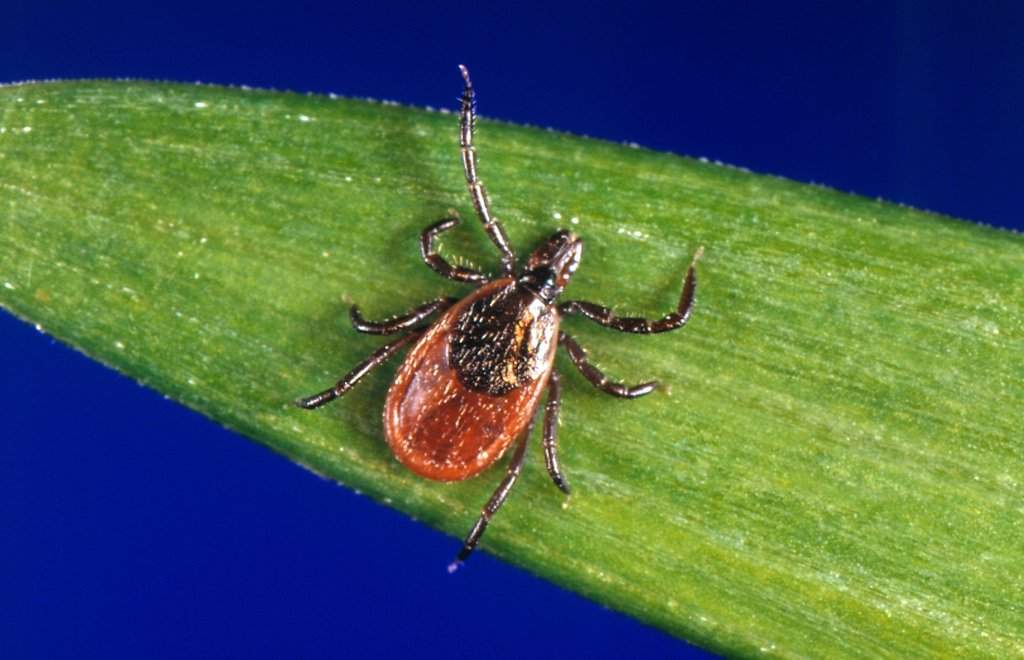
Blacklegged tick bites can lead to Lyme disease, as well as Anaplasmosis, Babesiosis and Powassan virus though Nova Scotia has not seen Powassan cases so far.
A new study published in the Canadian Pharmacies Journal reveals that the availability of pharmacists to assess and provide preventative Lyme disease treatment in Nova Scotia has led to a significant reduction in emergency department visits related to tick bites. Prior to 2021, pharmacists in the province were not permitted to prescribe standard oral treatment doxycycline for confirmed tick bites.
After the change in policy, there was a 50% decrease in emergency department visits for tick bites, according to the study. Emily Black, the lead supervising author of the study, noted that the results demonstrate the value of pharmacists' assessments and ability to provide care. The study analyzed patient cases from three emergency departments in Nova Scotia before and after the August 2021 change.
There were 617 total visits for tick bites before the change, but only 402 visits during the 16 months following it. Allison Bodnar, CEO of the Pharmacy Association of Nova Scotia, explained that the aim is to keep minor ailments out of emergency departments and into the community, where treatment is more convenient and timely. Pharmacists in Nova Scotia have been administering tick bite treatment for over 8,000 cases in the latest quarter alone.
Despite the increase in pharmacies providing Lyme disease treatment, Black emphasized the need for further awareness around the service.
Written by urgent.news from Global News's reporting — not their text. Machine-written — may contain errors; check the original before relying on it.