Oldest known gunpowder weapon in Korea discovered near minefield
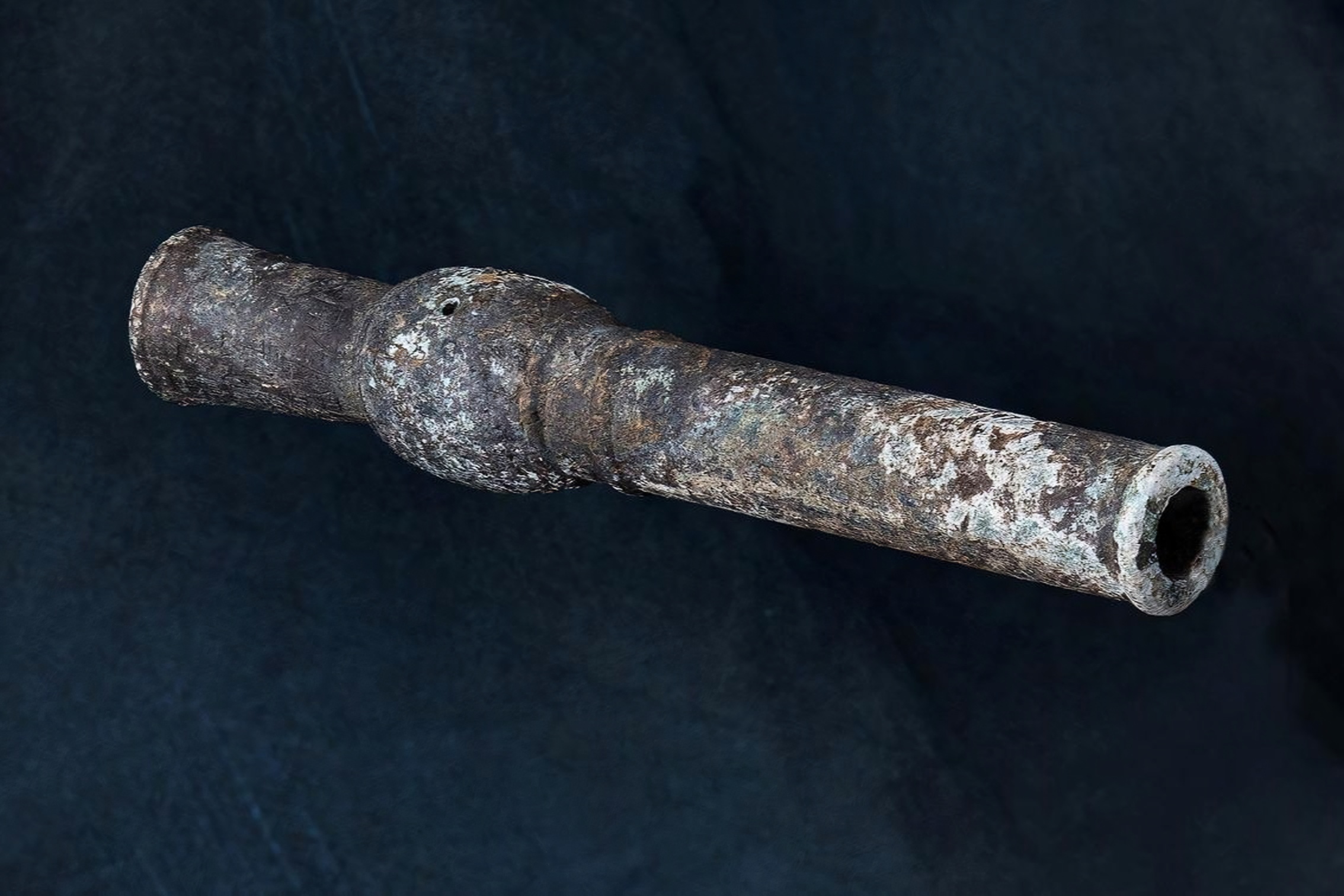
Deep inside a hazardous zone once marked for landmine detection on Mount Geumseong in Naju, around 280 kilometers south of Seoul, archaeologists have uncovered what is now confirmed to be the oldest surviving gunpowder weapon in Korea. The National Research Institute of Cultural Heritage said Monday that a three-year study has authenticated the artifact, known as the "Hwangja Hwatong" or…
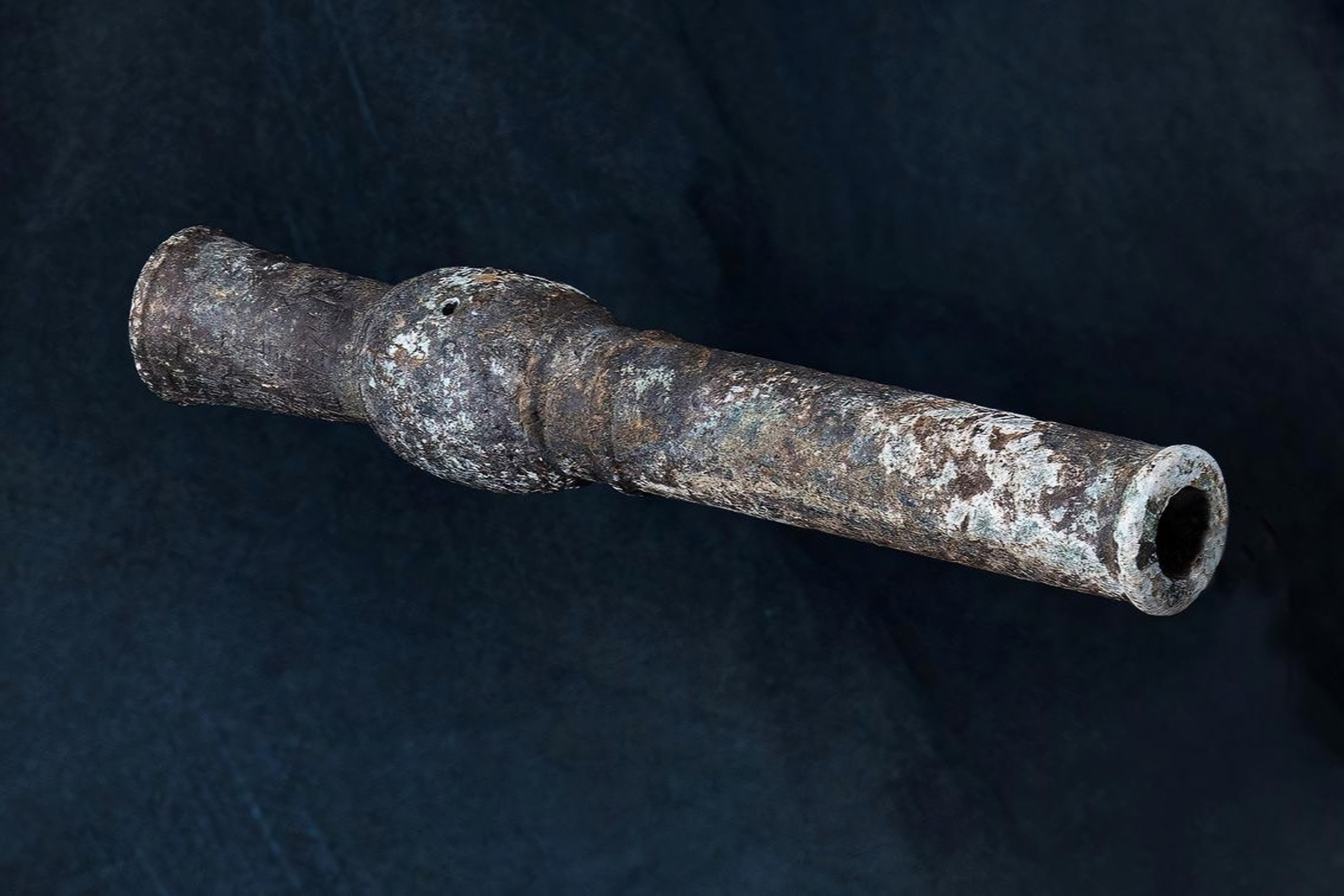
In a hazardous area near Mount Geumseong in Naju, approximately 280 kilometers south of Seoul, archaeologists have unearthed what is believed to be the earliest surviving gunpowder weapon in Korea. After a three-year investigation, the National Research Institute of Cultural Heritage has confirmed the authenticity of the artifact, named the Hwangja Hwatong or Yellow-Character Hand Cannon.
This bronze handheld firearm, measuring under 25 centimeters in length and weighing about 1 kilogram, provides unique insights into early East Asian military technology. The discovery, according to Cho Mi-soon, director of the National Naju Research Institute of Cultural Heritage, has significant academic, historical, and cultural value.
It hails from a critical transitional era between the late Goryeo and early Joseon dynasties, a time when physical evidence of firearms is exceptionally scarce. A 28-character inscription inscribed on the barrel of the weapon has allowed for a precise identification of its specifications.
Written by urgent.news from The Korea Times's reporting — not their text. Machine-written — may contain errors; check the original before relying on it.
This story
This is one outlet's version. Read the fullest account.
- Oldest known gunpowder weapon in Korea discovered near minefield koreatimes.co.kr