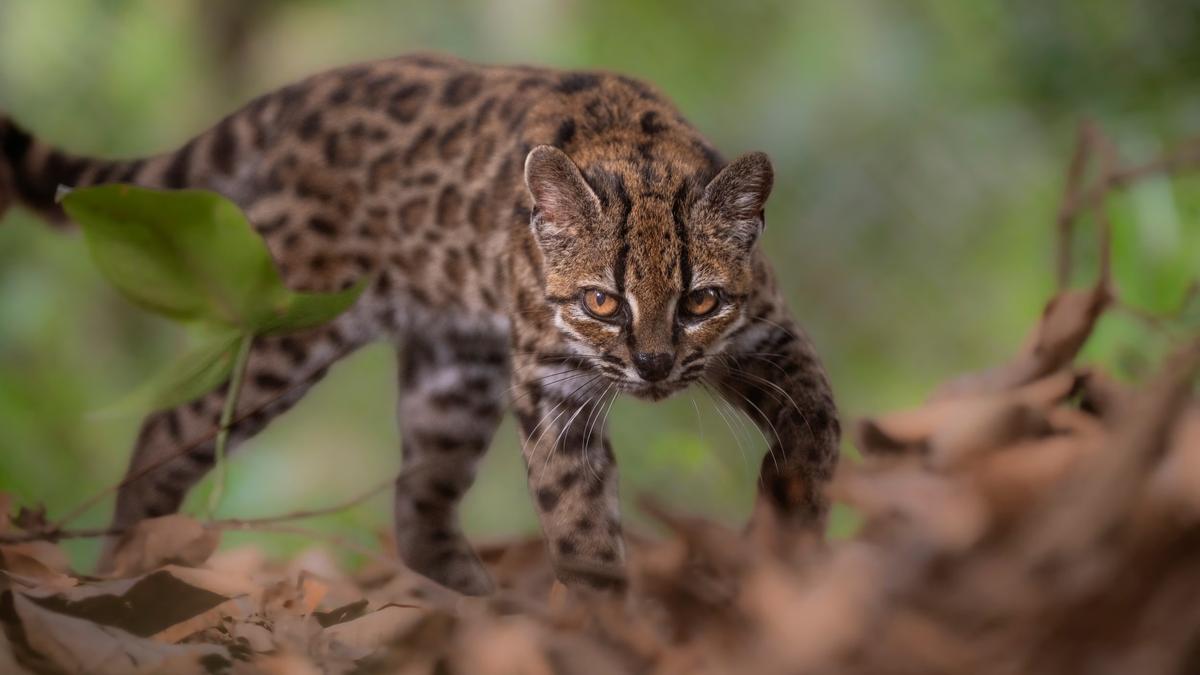
New cat species identified in Bolivia, first in over a century
Little is yet known about the cat’s biology and lifestyle. Remains of small rodents in scat samples suggest they may form part of its diet, while camera-trap evidence indicates it could be more active at night
Spain's street cat colonies spark controversy, with scientists arguing they cause harm to wildlife, people, and the cats themselves. Miguel Clavero, a CSIC scientist, believes colonies should not exist, citing the increased disease risk, shorter lifespans, and painful deaths of colony cats compared to house cats. Toxoplasmosis, a parasite commonly found in cats, poses a significant health threat, with studies linking it to a higher risk of schizophrenia in humans.
Fernando Ojeda, a botany professor, recalls a nursery in Puerto Real where cats caused havoc in a sandpit, leading to its closure for children's safety. Clavero criticizes the city versus countryside dichotomy, arguing that urban environments are also ecosystems where cats negatively impact wildlife, hunting birds like Kentish plover and green woodpecker.
Despite the welfare law requiring neutering of community cats, adoption campaigns and shelters are seen as more effective solutions, with Alejandro Ojeda comparing the approach to dog pounds. The issue remains a heated debate, with councils, volunteers, and neighbours divided over how to handle street cat colonies in Spanish cities.
Written by urgent.news from Euro Weekly News's reporting — not their text. Machine-written — may contain errors; check the original before relying on it.
This story
This is one outlet's version. Read the fullest account.