Scientists Discover a New Wild Cat Species in the Forests of Bolivia
Science has recently added a new feline species to the known biodiversity of South America. It is Leopardus tilcayo, a small wild cat identified in the cloud forests of the Yungas in Bolivia. Its recognition represents a rare event in zoology: It is the first living wild cat species to be formally described in more […]
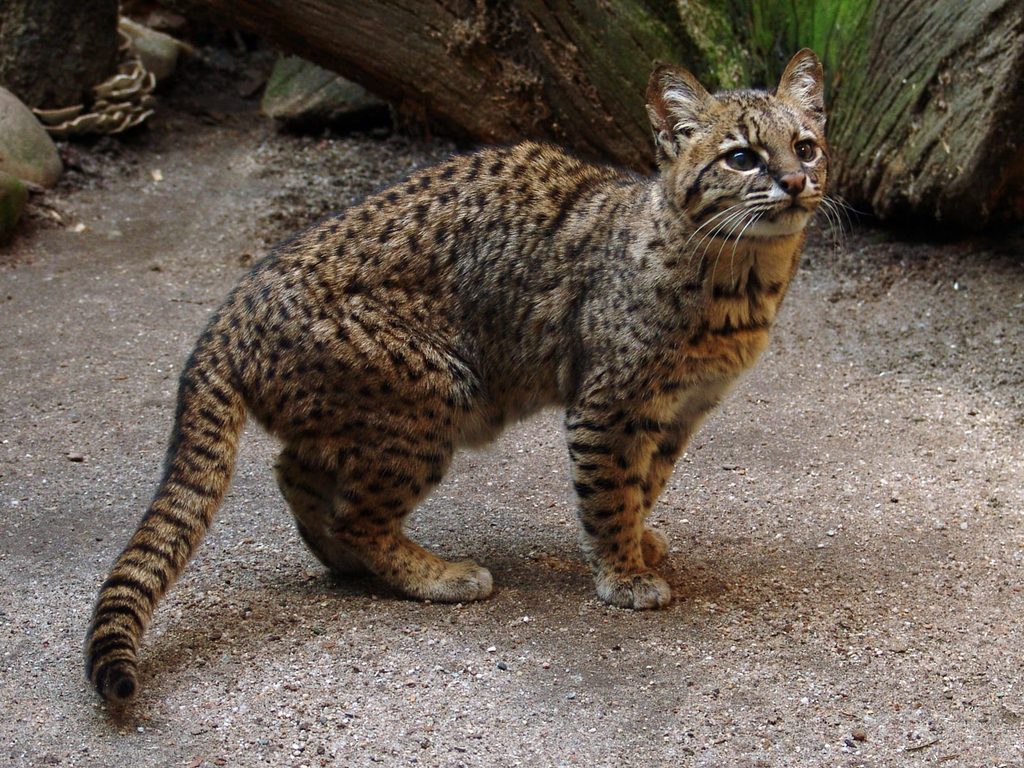
Scientists have identified a new species of wild cat dwelling in Bolivian forests, marking the first discovery of its kind in over a century. The Leopardus tilcayo, a diminutive feline, was recognized thanks to a specimen housed at the Senda Verde Wildlife Sanctuary. Its discovery was prompted by genetic differences noted in comparison with other small wild cats in the region.
The newfound cat exhibits distinctive features, such as a petite stature, light brown fur speckled with rosette-like patterns, and a long tail adorned with unique spots. Preliminary observations suggest the species is nocturnal and primarily preys on small rodents. The animal's cryptic nature, shared by its kin, complicates identification due to the similarities among members of the group.
Genetic analysis of existing specimens across South America substantiated the Leopardus tilcayo's status as a separate species, diverging from its relatives roughly 1.4 million years ago. The research, published in Current Biology, also identified a new subspecies of tiger cat in the Peruvian Yungas. Conservation concerns loom large for Leopardus tilcayo, as limited data on its population and habitat raises questions about its status and the threats it faces in the Yungas ecosystem, which are impacted by deforestation, agriculture, and mining.
The scientific community is now deploying camera traps to better understand its population dynamics and habitat requirements, emphasizing the importance of preserving these biodiverse forests.
Written by urgent.news from Colombia One's reporting — not their text. Machine-written — may contain errors; check the original before relying on it.