Moon phase today: What the Moon will look like on September 21, 2026
See the Moon phase expected for September 21, 2026 as well as when the next Full Moon is expected.
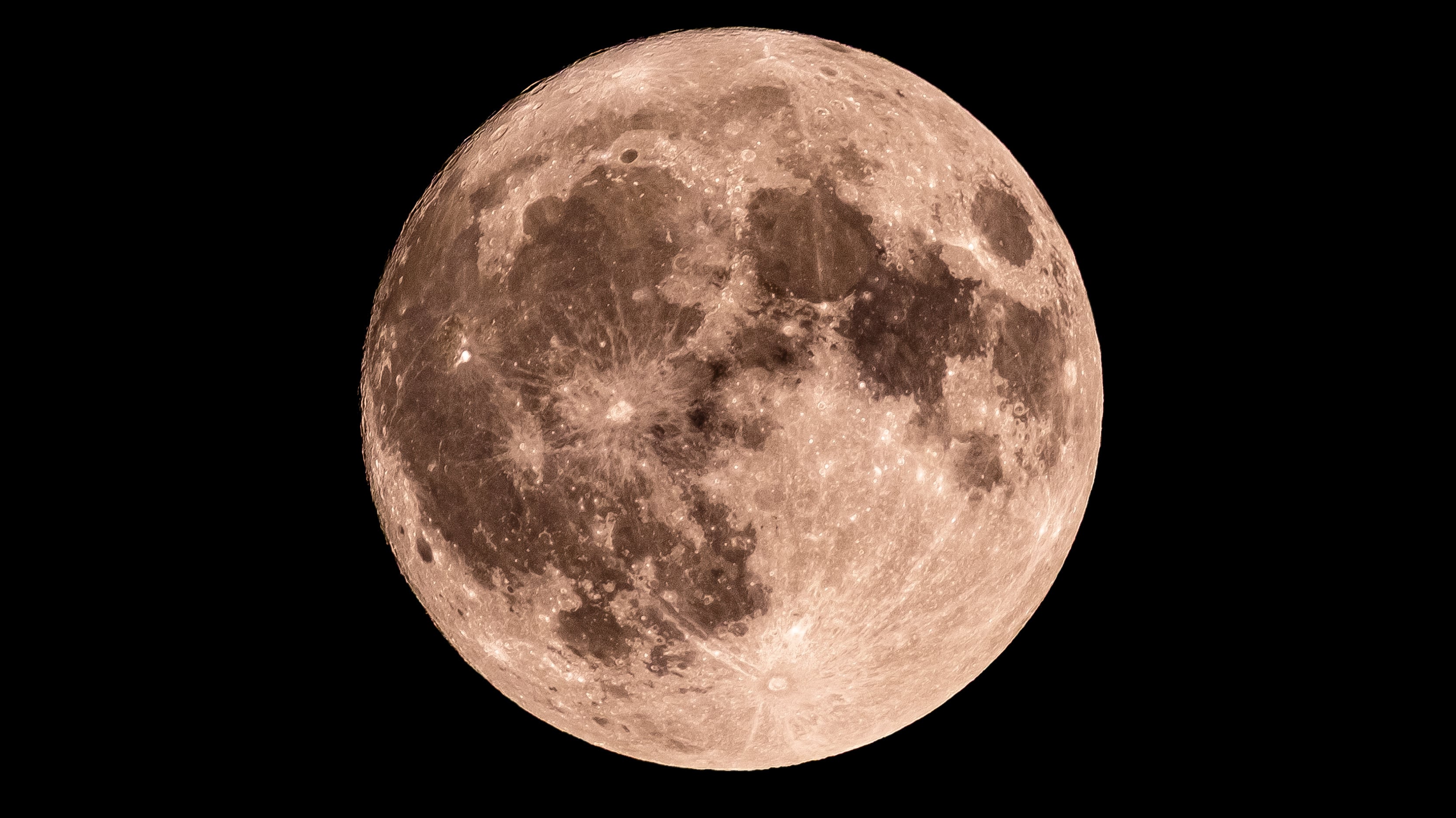
On September 21, 2026, the Moon will be in the Waxing Gibbous phase, with 72% of its surface visible to the naked eye. This is a stage that follows the New Moon and precedes the Full Moon in the lunar cycle.
Under normal viewing conditions, spectators should be able to spot several notable features. These include the Mare Tranquillitatis, Mare Serenitatis, and the Tycho Crater. Binoculars will enhance the observation, allowing viewers to see the Clavius Crater, Archimedes Crater, and the Alps Mountains. For those with telescopes, the Apollo 14 landing spot, the Descartes Highlands, and the Rima Hyginus are visible.
The next Full Moon is expected to occur on September 26, 2026. It's important to note that the Moon's appearance changes nightly due to its orbit around Earth, which takes approximately 29.5 days. As the Moon moves, we observe varying portions of its illuminated side, creating the eight distinct lunar phases. These include the New Moon, Waxing Crescent, First Quarter, Waxing Gibbous, Full Moon, Waning Gibbous, Third Quarter, and Waning Crescent. Each phase corresponds to the Moon's position relative to Earth and the Sun.
Written by urgent.news from Mashable's reporting — not their text. Machine-written — may contain errors; check the original before relying on it.